
Contents
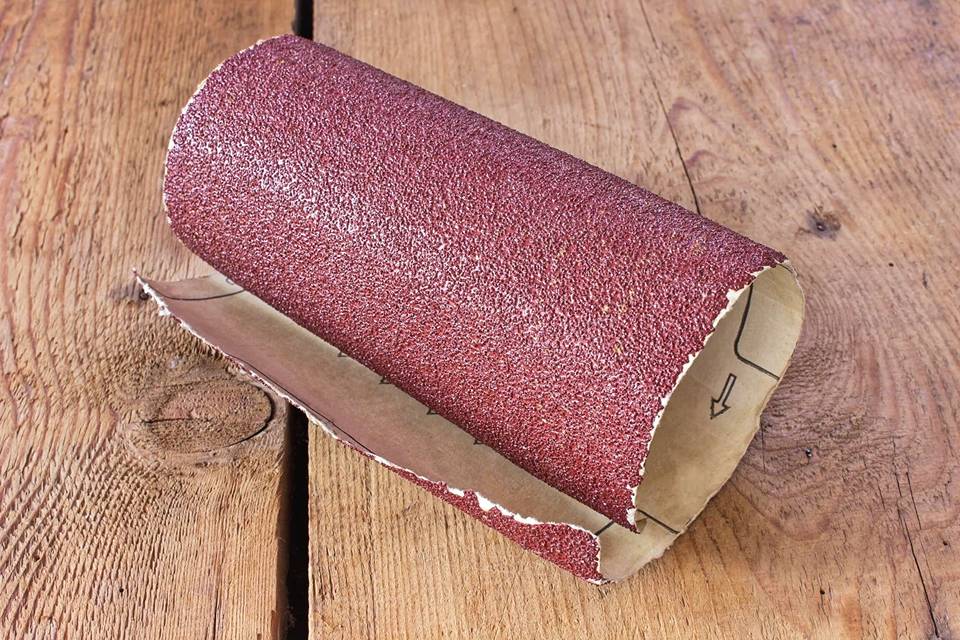
Sandpaper is an indispensable tool found in any woodworker’s shop. Most projects require some sort of preparation that will typically involve sanding. The abrasiveness of sandpaper comes in handy because it helps to obtain a smooth surface with minimal effort. It’s safe to say that the practice of sanding has a long history and it’s still incredibly useful nowadays. When you’re looking to get your hands on sandpaper, you might get easily overwhelmed by the multitude of available options. There are different coarseness levels as well as types and sizes of grit to choose from when it comes to sandpaper.
1. Understanding Sandpaper Grit
Sandpaper is essentially a paper backing material featuring special abrasive particles used in the woodworking industry. The size of these particles determines the grit of the sandpaper. If you look at different sandpaper grit levels, you can basically figure out which type matches the needs of your particular project more effectively.
Applying the wrong sandpaper grit that’s too rough could remove important details from your work piece. In a similar way, using sandpaper grit that’s very fine can require a lot of elbow grease and might often be impractical. Finding a balanced level of coarseness for the current task represents a critical aspect if you wish to obtain an attractive finish.
Looking at the sandpaper grit numbers can help you differentiate between multiple types of sandpaper. Lower grit numbers such as #60-#80 signify that the sandpaper is rough whereas high grit numbers like #180-#220 refer to a type of sandpaper with very fine coarseness. Although the sandpaper grit range is quite expansive, most projects can be finished by using the most common sandpaper grit sizes.
2. Types of Sandpaper Grit Ranges
2.1. Coarse – #60-#80 Grit
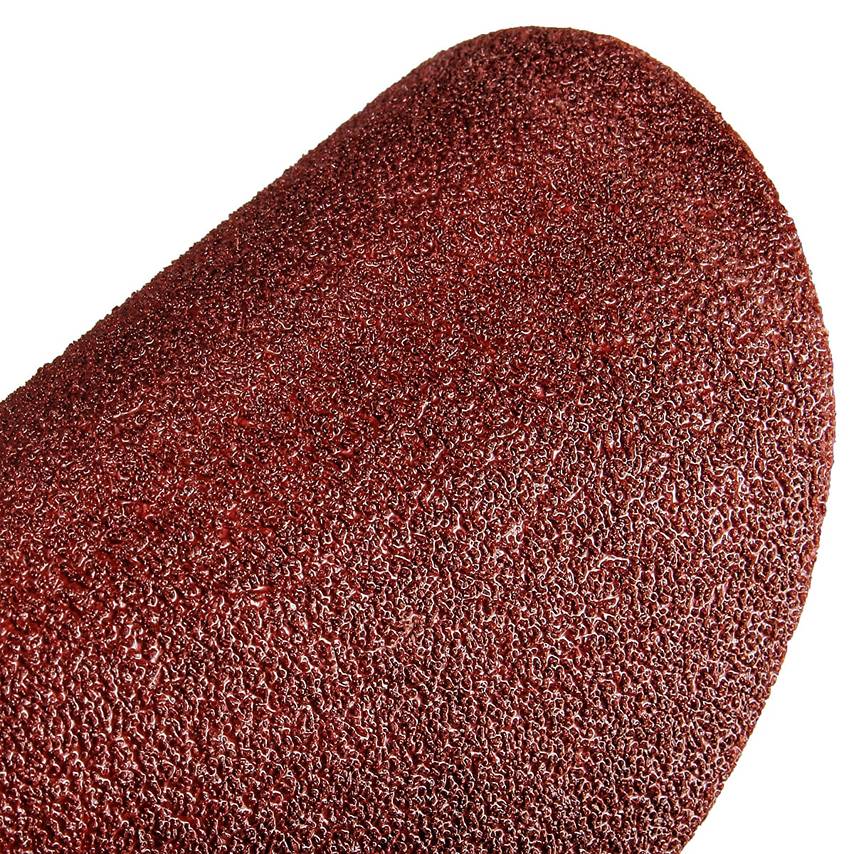 Any sandpaper that has low grit numbers can be considered coarse. The #60-#80 grit range is ideal for many applications except those that require fine details. Consider this type of rough sandpaper to get rid of old paint and smooth out edges without too much effort. Getting rid of previous finishes and rough shaping the wood – these are some of the best uses of coarse sandpaper grits.
2.2. Medium – #100-#150 Grit
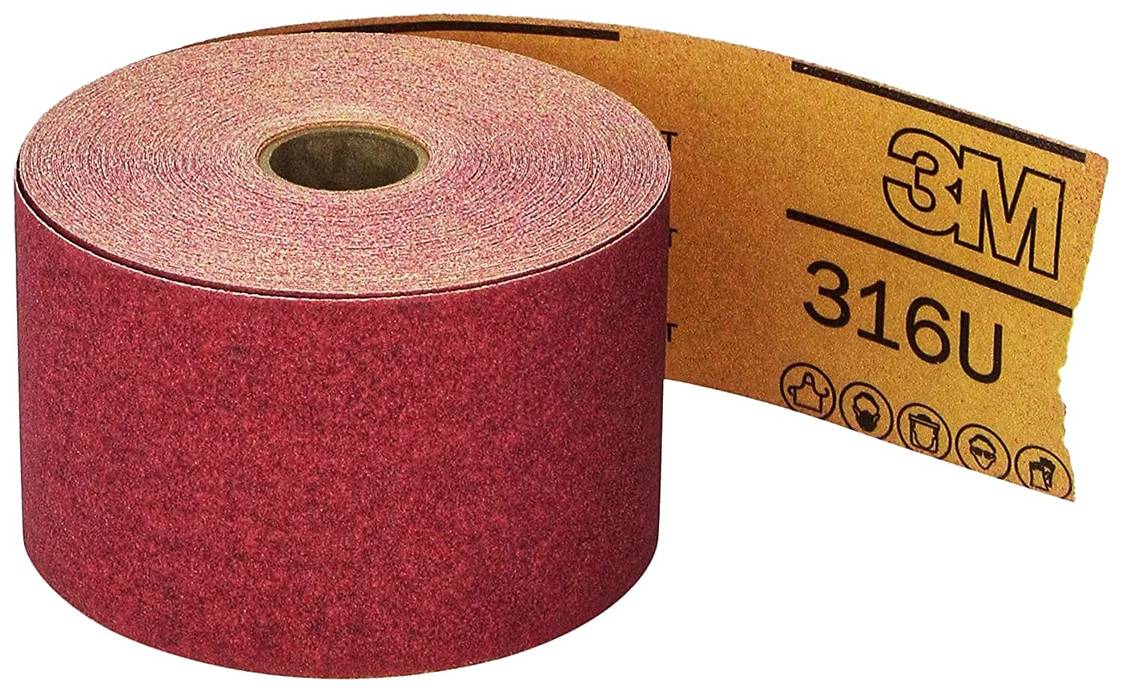 Most projects require a balanced grit size for an optimal finish. That’s why the medium sandpaper grit range sees a lot of use. Whereas using extra-fine or very rough sandpaper comes with some risks of messing up, the same can’t be said about sandpaper featuring medium coarseness. You can simply adjust the level of applied pressure to preserve more materials or work them down more efficiently.
This grit range is typically recommended for bare wood surfaces. For example, if you’re preparing the surface for painting, you could make use of 150-grit sandpaper that doesn’t fully remove all the texture to ensure proper paint adherence. When you’re not sure about the particular needs of the current sanding project, you can’t go wrong with using sandpaper in a medium grit range.
2.3. Fine – #180-#220 Grit
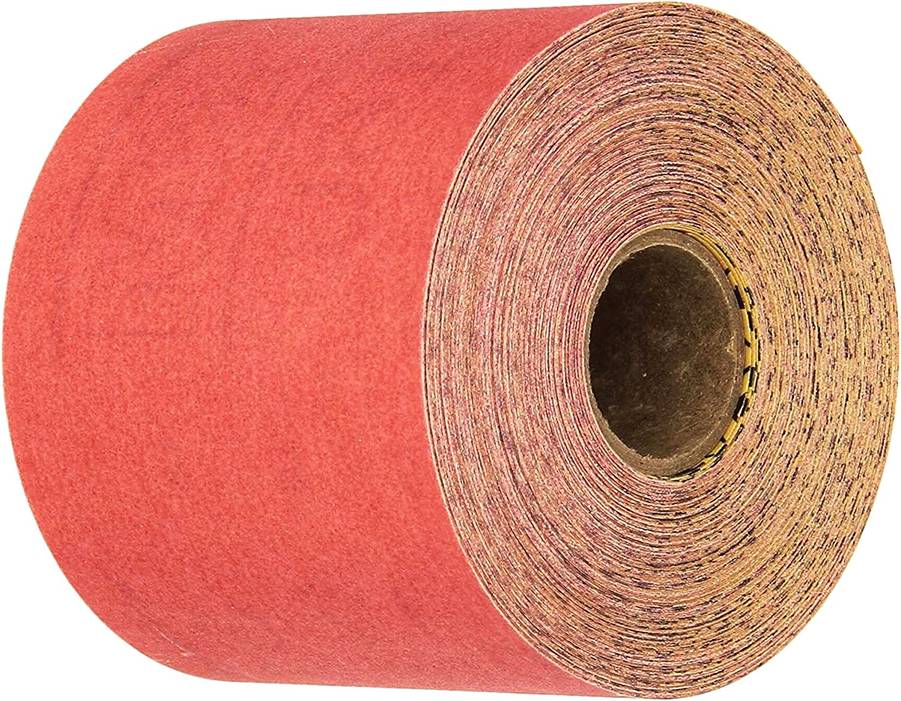
A fine sandpaper grit is typically needed for the final sanding before the project is done. It’s rare to use such a fine level of coarseness for the first sanding run. Furniture work can make extensive use of the fine sandpaper grit range. A notable example is when you want to prepare a painted surface to apply an extra coating. However, depending on the type of paint used and desired finish, you might often need to choose an ultra-fine grit.
2.4. Ultra-Fine – #320 and More Grit
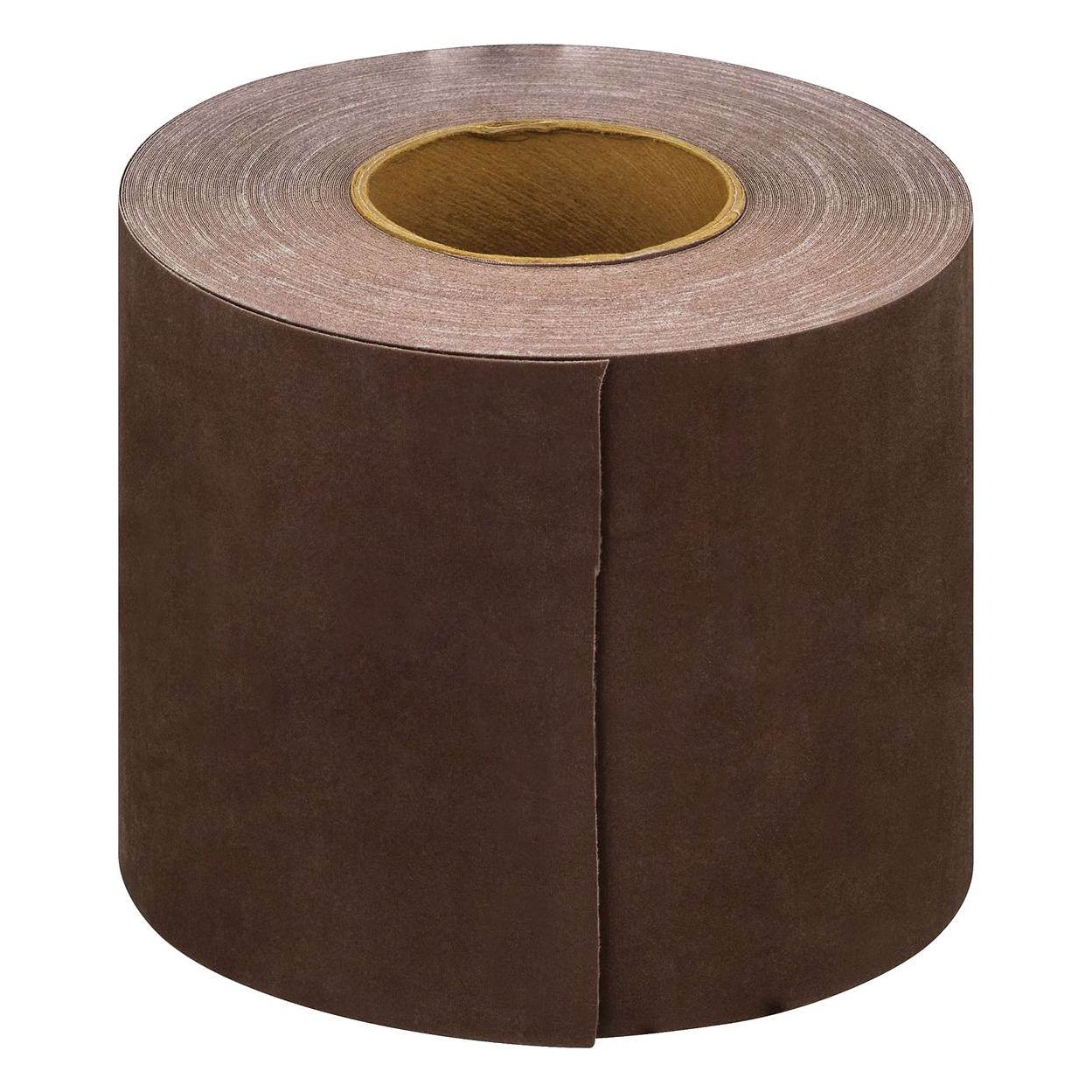
Extra fine levels of coarseness can be necessary when you want to smoothen out the surface between paint or varnish coatings. Some particularly fine sandpaper grits such as #600 or #1000 could be ideal for polishing work. Ultra-fine grits are used exclusively for obtaining a new level of smoothness. They’re often incorporated in wet sanding to enhance the smoothing performance.
3. Choosing the Right Sandpaper Grit Depending on the Material
3.1. Wood
Sandpaper is used very frequently in woodworking. You will typically need different grit levels to tackle the different stages of a project. As a basic guideline, it’s worth mentioning that you need a coarse grit to strip wood, medium grit for general sanding work, and fine grit for obtaining a final finish.
3.2. Metal
When it comes to metal surfaces, sandpaper is usually employed to remove rust or to handle fine polishing work. You need to be very careful about using a coarse sandpaper grit on metal because there’s a high risk of scratching. Even if you’re trying to strip stubborn rust stains, it’s recommended to opt for fine or extra-fine sandpaper grits. Very fine abrasives are also suitable to polish metal and maximize the smoothness of the surface.
3.3. Plaster
Although plaster is relatively simple to sand, it’s important to use the proper sandpaper grit if you wish to avoid damage to the wall. Plaster surfaces are best tackled with a medium grit regardless of the type of texture. Such a balanced level of coarseness will ensure that you can swiftly eliminate various imperfections or embedded dirt on the surface. A fine sandpaper grit can also be used to get a final smooth finish.

Leave a Reply