
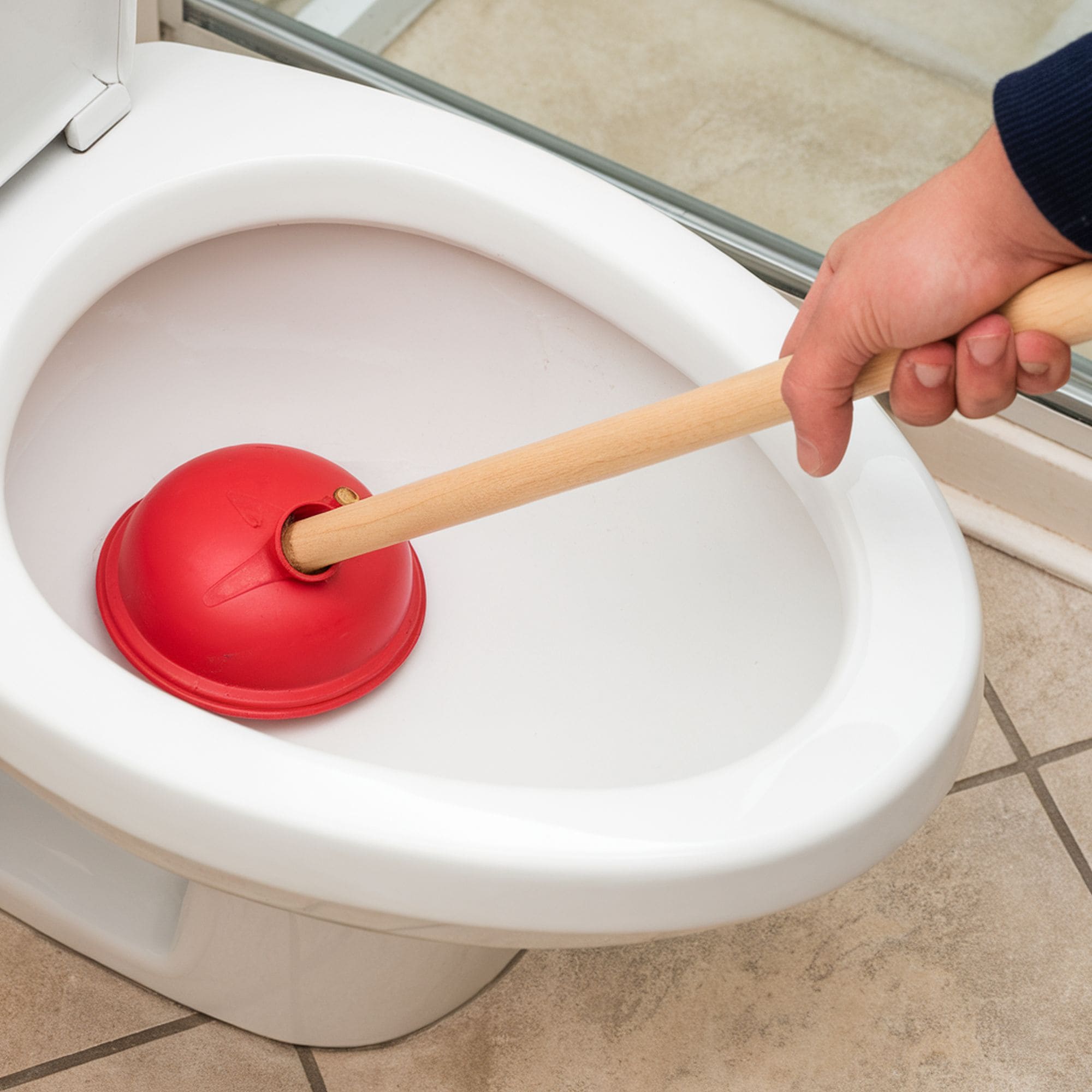
Nobody likes to deal with the unpleasant event of a clogged toilet. Fortunately, there are various methods you can try to get the toilet working as expected again. Not all clogged toilet situations require advanced plumbing knowledge but it helps to be prepared and understand how to avoid making things worse.
It depends on the difficulty of the toilet clog, but most household disasters can be avoided using simple tools and DIY methods. A malfunctioning toilet is more than just a simple inconvenience. It’s a matter of urgency that needs to be resolved quickly and effectively to avoid complications such as flooding the entire bathroom. Check out our simple guide that gives you the best methods to try for unclogging a toilet before requiring the services of a professional plumber.
1. How to Unclog a Toilet With a Plunger
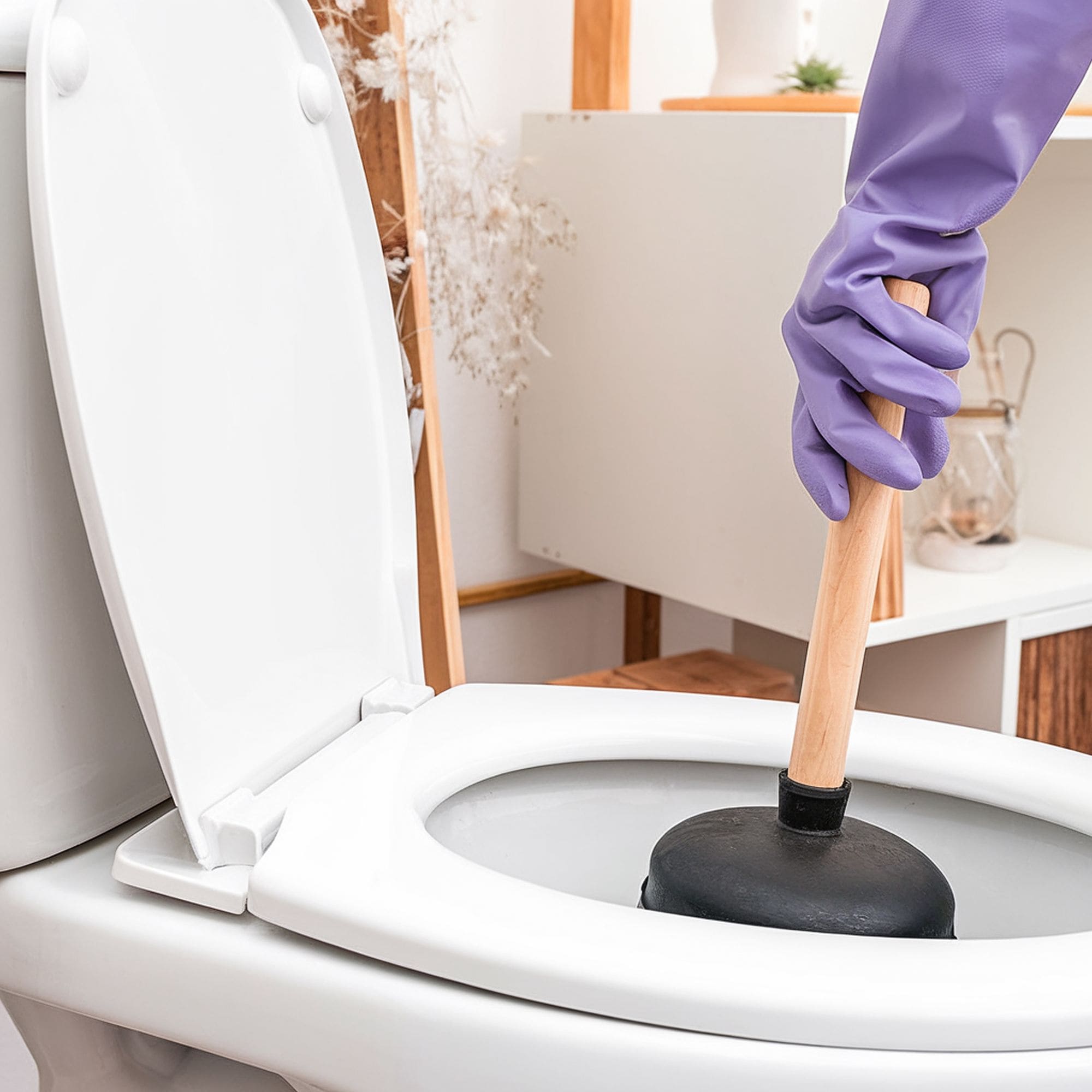
As long as you have a plunger readily available, it’s safe to say that you can easily deal with the majority of clogged toilet problems. This is the tool of choice for this job considering how it’s specially designed to fit the toilet bowl and disturb the clog when used correctly. Plungers are not created equally and lots of cheap models can be unreliable and fail to solve the clogging issues.
It’s recommended to use a high-quality plunger like the Simplehuman stainless steel model. This is a premium option with a drip-free design that promises exceptional performance with minimal effort. The metal rod increases its durability while the special caddy construction makes it a breeze to detach. Use this kind of reliable plunger to apply vigorous pushing and pulling that will eventually allow the water from the toilet to drain.
Unclogging the toilet with the help of a plunger can get messy. It’s important to get properly equipped with rubber gloves. There’s a bit of patience required to get the unclogging process right. If you’re being too forceful, you’ll risk making a big splash in the entire bathroom. It’s recommended to be extra gentle until you’re certain of a tight seal. Even stubborn clogs will be eventually loosened up after repeated plunging.
2. How to Unclog a Toilet Without a Plunger
Having a plunger ready to use in your home is essential but if your toilet gets clogged and there’s no special tool in sight, you can still apply some alternative methods. Turn to simple yet highly effective DIY methods that can often restore the functionality of a blocked toilet. Depending on the severity of the clog, these handy tricks could be worth trying even if you already have a plunger. You might be able to avoid the potential mess created through plunging by going through the following methods first.
3. Hot Water and Dish Soap
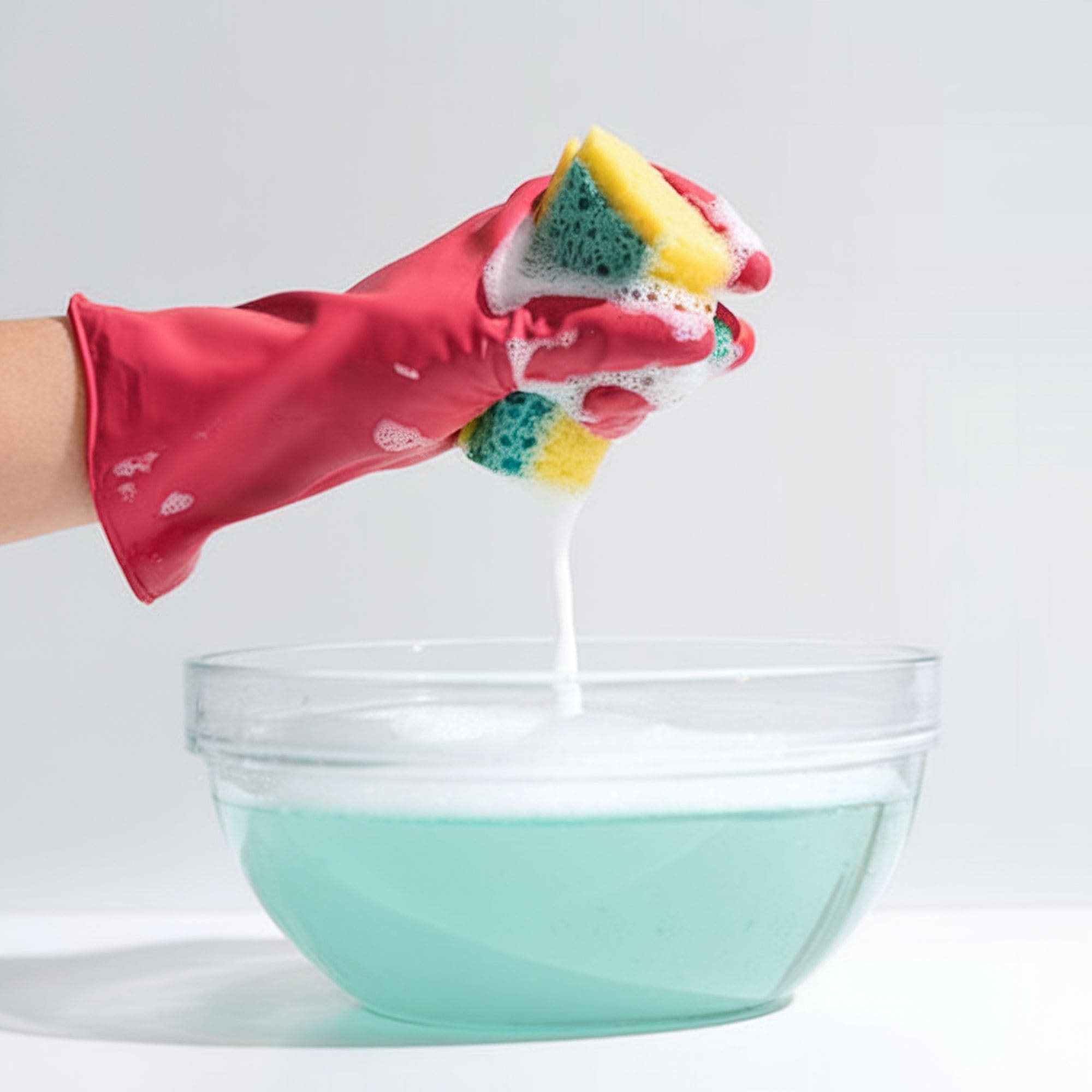
A combination of dish soap and hot water could be surprisingly powerful when it comes to unclogging toilets. For this trick, the first step is to find a 5-gallon bucket and fill it with the hottest water available on tap. Boiling water could be too damaging for the plumbing and it’s not as safe to use. Hot water from the tap will do just fine.
The next step is to mix the hot water with a generous amount of dish soap. It depends on the particularities of your situation, but consider premixing at least a couple of tablespoons. Avoid overdoing by adding the whole bottle or agitating the soap. You can also add the dish soap directly into the toilet bowl and pour the water separately but premixing seems to be more effective in most cases.
Once your unclogging potion is done, it’s time to add it carefully to the toilet. It’s not just to avoid splashes but it’s important to monitor the water level to ensure there’s no risk of overfilling. Let the soapy water sit in the bowl and slowly break down the clog. Don’t be alarmed if the toilet doesn’t get unblocked right away. Some tight clogs will need more time for the hot soapy water to do its magic.
Before you run over to call a plumber or try an alternative method, consider waiting at least 30 minutes to see whether the water in the toilet starts to drain. Keep adding more water to fully unclog it. The strong pressure of the water will often be more than enough to loosen it up completely. This method will work especially well for less stubborn clogs that let at least a very small amount of water get through.
4. Baking Soda and Vinegar
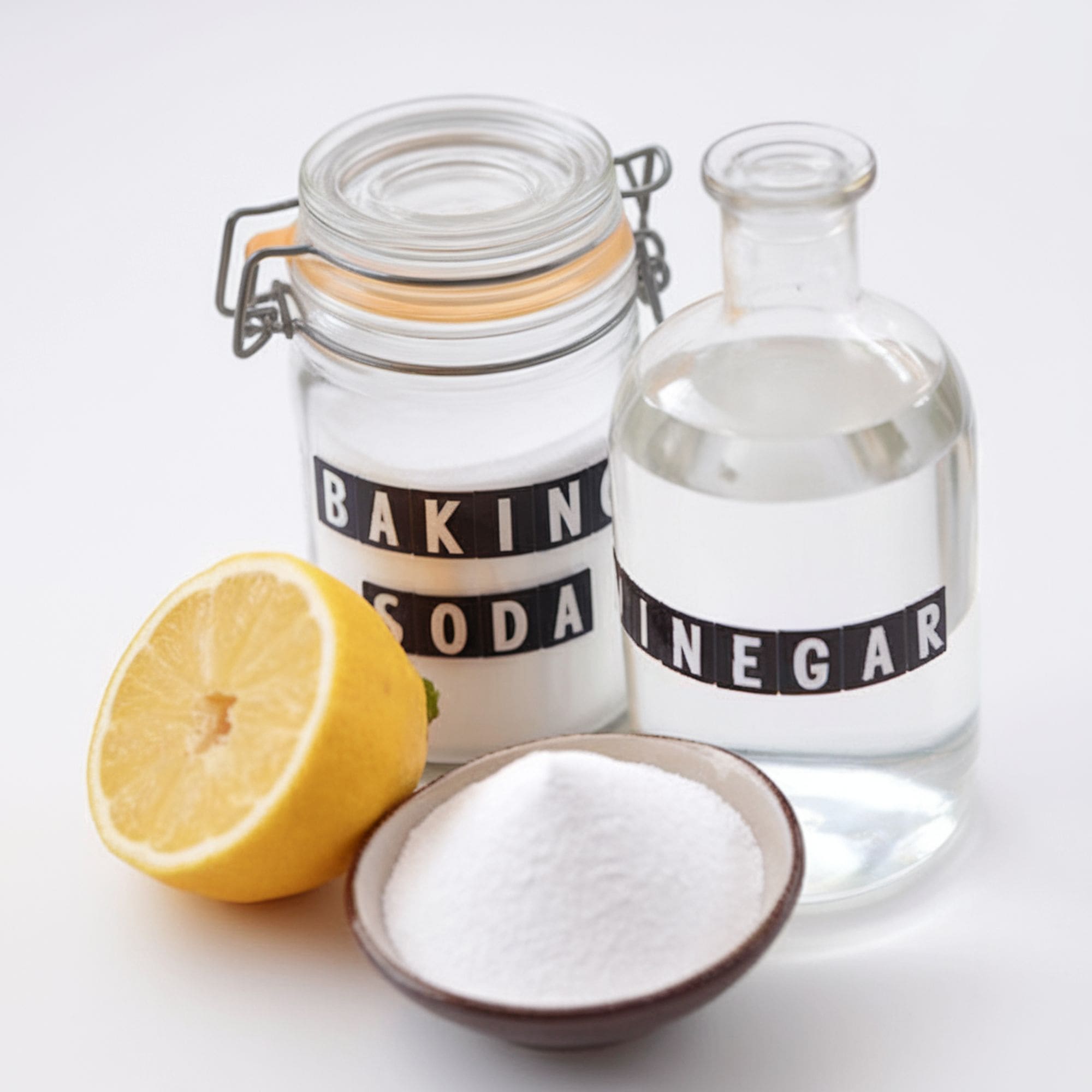
Pouring harsh chemicals in the hopes of dissolving the clog may not always be a recommended option. A safer alternative involves using a baking soda mixture. This is a simple yet highly effective DIY method to try for fixing a blocked toilet. It’s a great choice if you’re worried about damaging the toilet or splashing the strong product on the skin. Dealing with a clogged toilet is already difficult enough so it’s best to avoid making your life harder by working with corrosive water.
This all-natural trick requires pouring a combined solution made up of 1 cup baking soda and 2 cups vinegar. The reaction between these two common household ingredients should be strong enough to loosen the toilet clog. Let the mixture sit for some time and try adding hot water to complete the drainage. Don’t worry if there’s no apparent unclogging progress on your first try. It’s recommended to repeat the process to maximize the effectiveness of this DIY method.
5. Liquid Drain Cleaner
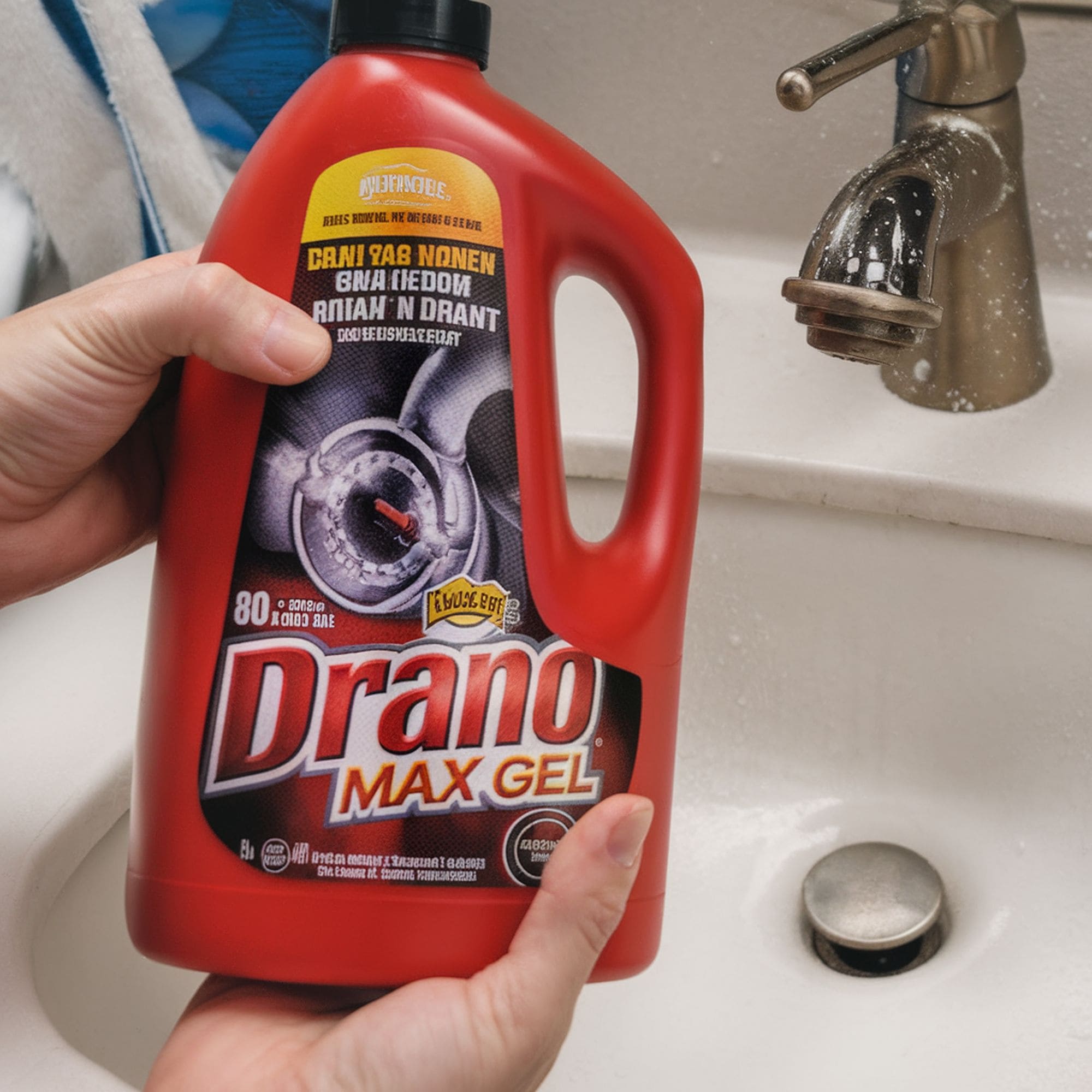
Chemical drain cleaners can work well for the purpose of removing toilet clogs. It shouldn’t be among the first things to try because some products can be very toxic to people and pets. However, stubborn clogs will often require stronger commercial cleaners so this method has great potential.
The important aspect of this trick is to purchase the right product designed for unclogging the toilet. Not all drain cleaners can be used in this way so check carefully the product’s specifications to prevent pipe damage or unintended effects. Thankfully, there are some industrial-strength drain cleaners on the market that can easily dissolve common toilet clogs without damaging the pipes.
One excellent example comes from Green Gobbler. Check out the company’s liquid drain cleaner that’s carefully engineered as a main line opener with a reliable formulation to deal with toilet obstructions. This is a fairly safe product as far as chemical drain cleaners go. It lacks a strong odor and doesn’t cause skin irritations. The cleaner is recommended for addressing clogs and regular maintenance of the drain.
6. Toilet Auger
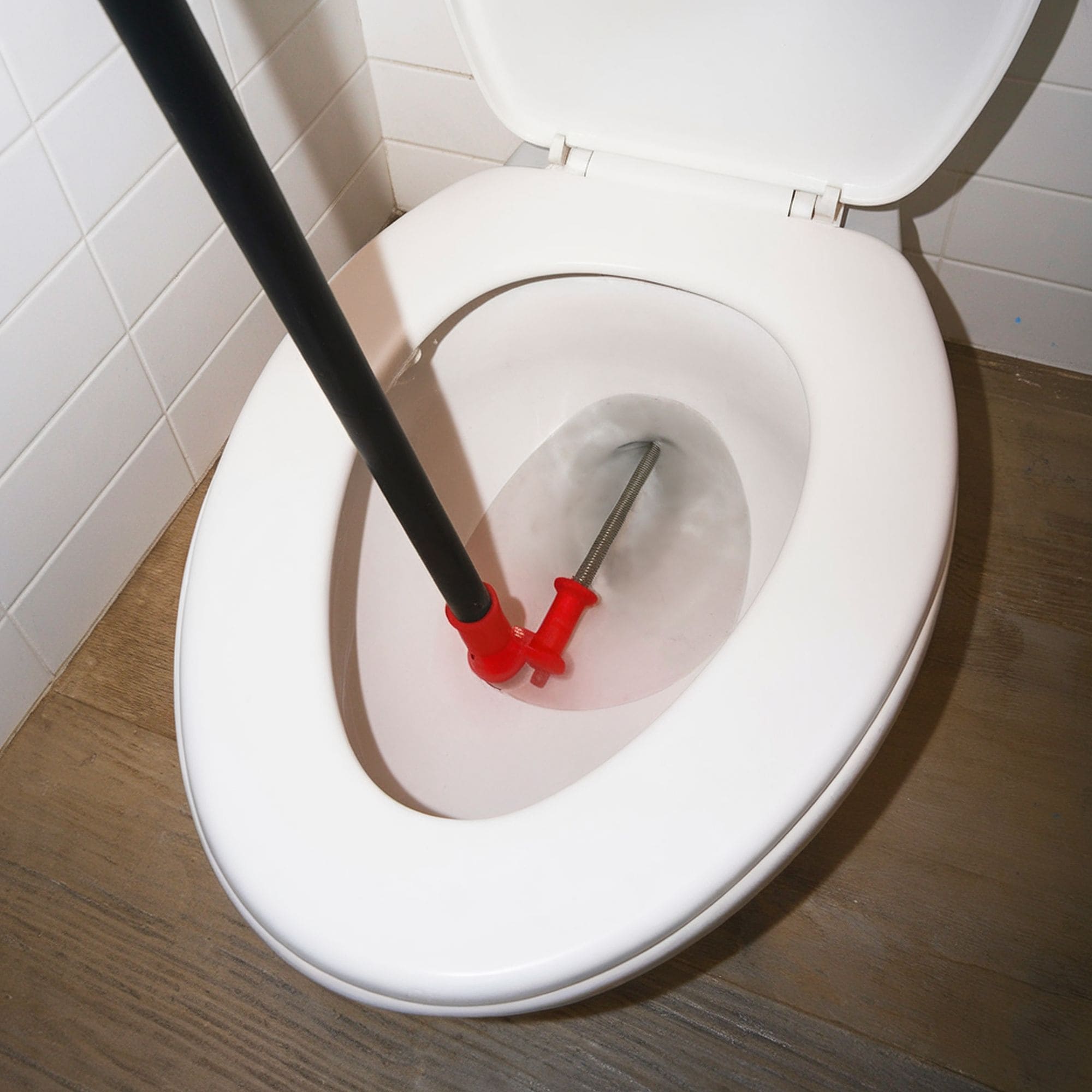
Harder toilet clogs will require more dislodging effort compared to simple obstructions. In these cases, DIY tricks and plungers can still fail to restore functionality to the toilet. When that time comes, it’s time to try out a more specialized tool for unclogging the toilet. It’s called a toilet auger and can swiftly clear the most stubborn clogs. As opposed to drain snakes or similar tools that aren’t always safe for toilets, this type of auger is carefully designed exactly for this purpose.
The tool features a metal cable equipped with a rubber sleeve to prevent damaging scratches. The trick is to guide the specially-designed tip of the auger through the toilet to remove the clog. You will need to crank the handle of the tool steadily to avoid cable kinks and push it to reach the obstruction. Even the more difficult toilet clogging issues can be solved by a toilet auger once it has been fully extended.
If you’re not sure about how to choose the best toilet auger, consider this Cobra Products model from Amazon. It’s a household toilet auger that strikes a solid balance between user-friendliness and durability. You can count on it to clear toilet obstructions without concerns about fixture damage. It’s equipped with a non-slip grip and a practical unclogging metal tip. Keep in mind that toilet augers aren’t failproof as some toilet clogs can appear beyond their reach. In that case, your best bet is to call a plumber because that could be a sign of a more complex problem.

Leave a Reply