
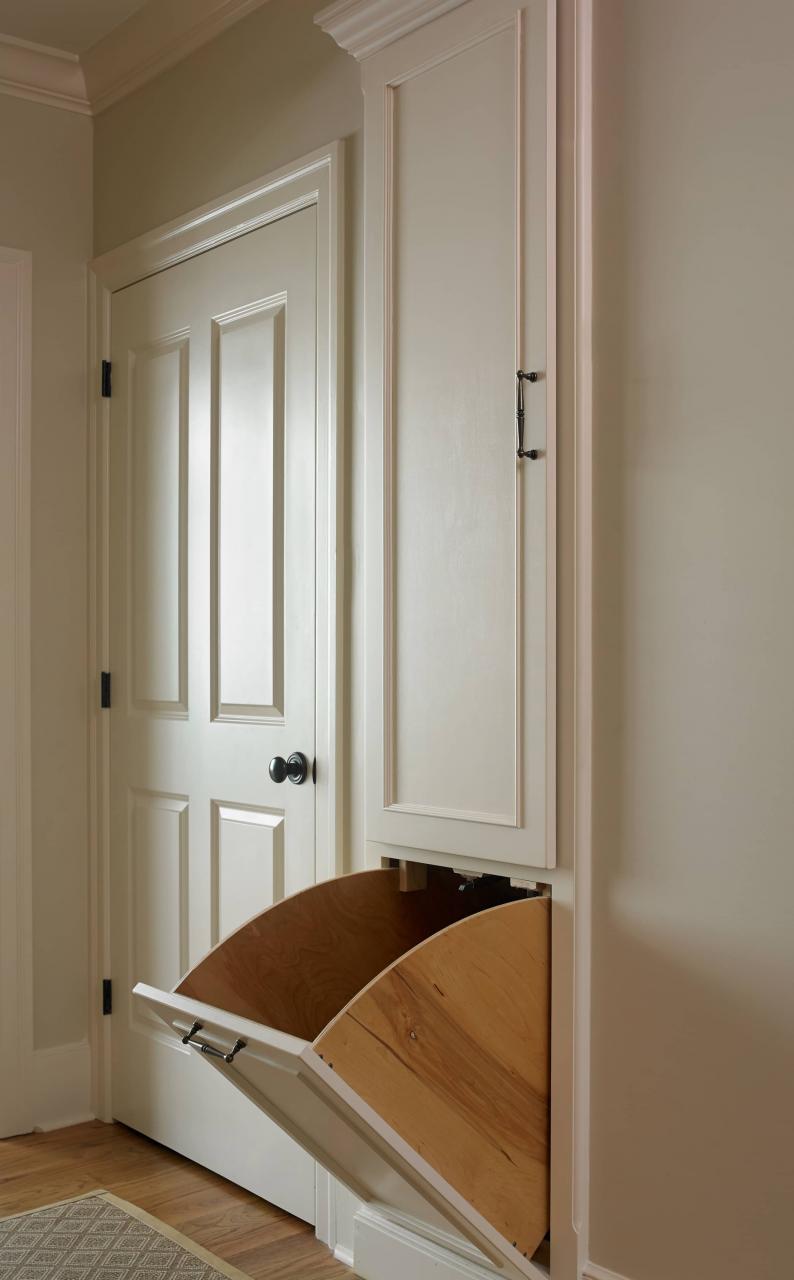
If you’re tired of hauling big baskets of dirty clothes from upstairs to the laundry area in the basement, you’ve probably considered the idea of installing a laundry chute. Anyone who has ever had to do laundry for more than a few years can tell you that it’s a tedious chore. The laundry chute is a practical solution that can simplify the process considerably. You can say goodbye to never-ending trips downstairs and save a lot of time lugging around heavy baskets of clothes.
The laundry chute lets you throw clothes in a special passage built in the wall that spits them out in the basement or your favorite location to do laundry. It’s basically as convenient as it sounds. However, outfitting the home with a laundry chute can be considered an advanced project because there are some difficulties to keep in mind. It takes proper planning and effort to install a laundry chute. We’ll show you the necessary steps to handle this kind of project.
1. Check Building Codes
The building codes provided by the responsible authority in your location should be carefully studied to ensure that you can install a laundry chute. It’s better to be safe than sorry. Even if laundry chutes are permitted, you might discover some specific regulations that need to be taken into account. For example, there could be rules concerning the height of the opening, the location of the chute, or aspects concerning fire blocking and barriers.
2. Start Planning the Installation
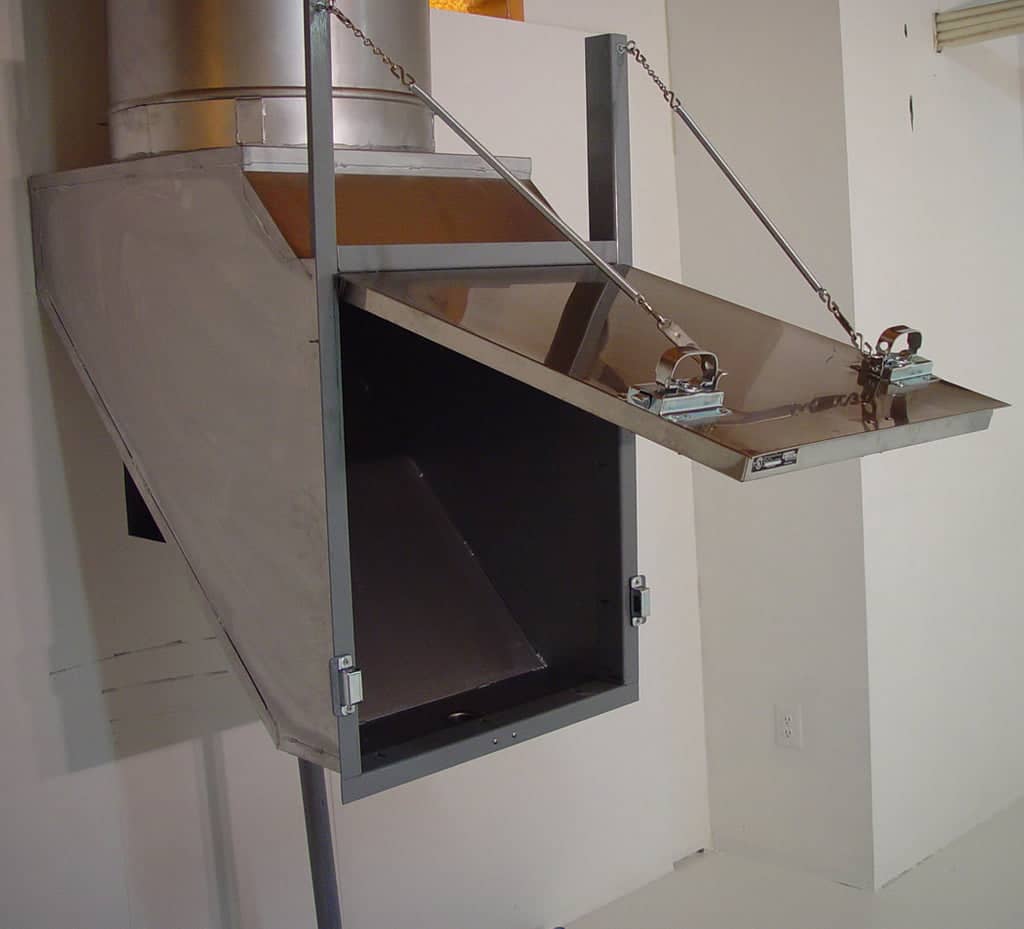
Even DIY-inclined homeowners will probably feel intimidated by the idea of cutting into walls and the floor to install a laundry chute. If you want to enjoy a solid laundry chute system that does its job as expected, it’s highly recommended to use the services of a professional carpenter or contractor. Some more basic chutes can be added to a house by DIYers but large and complex systems will almost always require professional installation.
While you may not want to build the laundry chute yourself, you can still deal with the planning work to come up with a successful project for your home. Laundry chute kits can be purchased in some stores. They contain the necessary supplies if you don’t want to waste time gathering all the required parts separately. The chase is one of the most important elements of such kits. This is practically the passage of the laundry chute.
When planning for a laundry chute installation, it’s recommended to build a wider chase instead of a narrower one. It will ensure smoother functionality even if you might run into some issues fitting a larger laundry chute. It’s important to avoid blockages of clothes passing through the chute. That’s why the chase should be ideally made from galvanized ductwork without joints that can create snagging problems.
3. Decide on the Location
Location is key when it comes to building a laundry chute. You somehow need to find the right place in the home where the laundry chute fits the framework while still enjoying its convenient use. This is perhaps one of the most challenging aspects in terms of planning for a laundry chute project. If you’re working with a new home or you’re already involved in major remodeling, finding the best location for your laundry chute will be much easier.
Homeowners with existing houses will find it a little more difficult to accommodate a laundry chute into the framework of the home. Look for a stud bay that reaches towards the basement to simplify the installation. It’s required to find a location where plumbing or electrical wiring doesn’t interfere. While it sounds complicated to figure out what can be found behind various walls in your home, some areas such as hallways could more easily accommodate the installation of a laundry chute.
4. Consider the Type of Laundry Chute
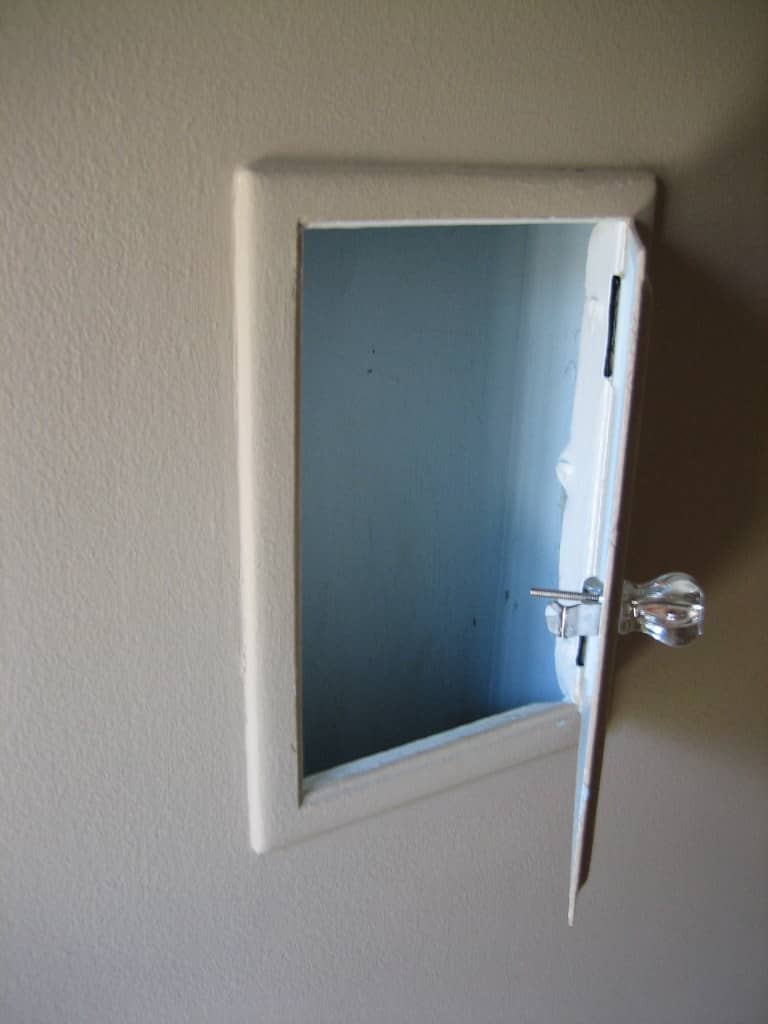
The lateral type is a common style of laundry chute that’s typically installed in many homes. It’s designed for transporting the clothes sideways from a room to the laundry area using a shared wall. Homeowners whose house features multiple stories will often prefer a floor-to-floor laundry chute. This type transports the clothes similarly from one room to another but in a vertical style. It usually makes use of an in-wall chute for dropping the laundry from one floor to a different one.
5. Take Safety Precautions Into Account
Given the nature of laundry chutes, they can become unsafe to use if you have small children. You need to consider some safety precautions to avoid accidental or intentional entering of a child through the chute passage. A good solution, in this case, is to respect the minimum guardrail height for landings. The access door can also be childproofed with the help of a lock for some additional peace of mind.
Another safety aspect to consider is whether the laundry chute can be dangerous in terms of spreading a fire. It’s recommended to check the fire codes of your local building authority to design a safe laundry chute plan. The danger posed by the laundry chute when it comes to a fire isn’t really that concerning unless the system is improperly built. Compared to stairways, the risk of spreading a fire by the laundry chute is reduced because typically the chute stays closed.
6. Deal With the Problem of Snags
If you wish to install a laundry chute in a multistory home, you are most likely to run into the problem of dirty clothes failing to reach their destination. Lengthier chase designs will usually increase the risk of a snag. Any laundry chute that’s improperly built can be frequently affected by the problem of snags. Clearing blockages isn’t particularly hard if you keep a long pole close at hand. However, that extra hassle should be avoided to fully enjoy the convenience of a laundry chute.
There’s no foolproof way to prevent laundry snags. That being said, your best bet is to opt for a professional installation for your laundry chute. An experienced contractor will most likely be able to carefully design the chase to minimize the risk of snags. You can save a lot of time maintaining a functional laundry chute by taking the advice of a professional instead of trying out a DIY installation.

Leave a Reply