
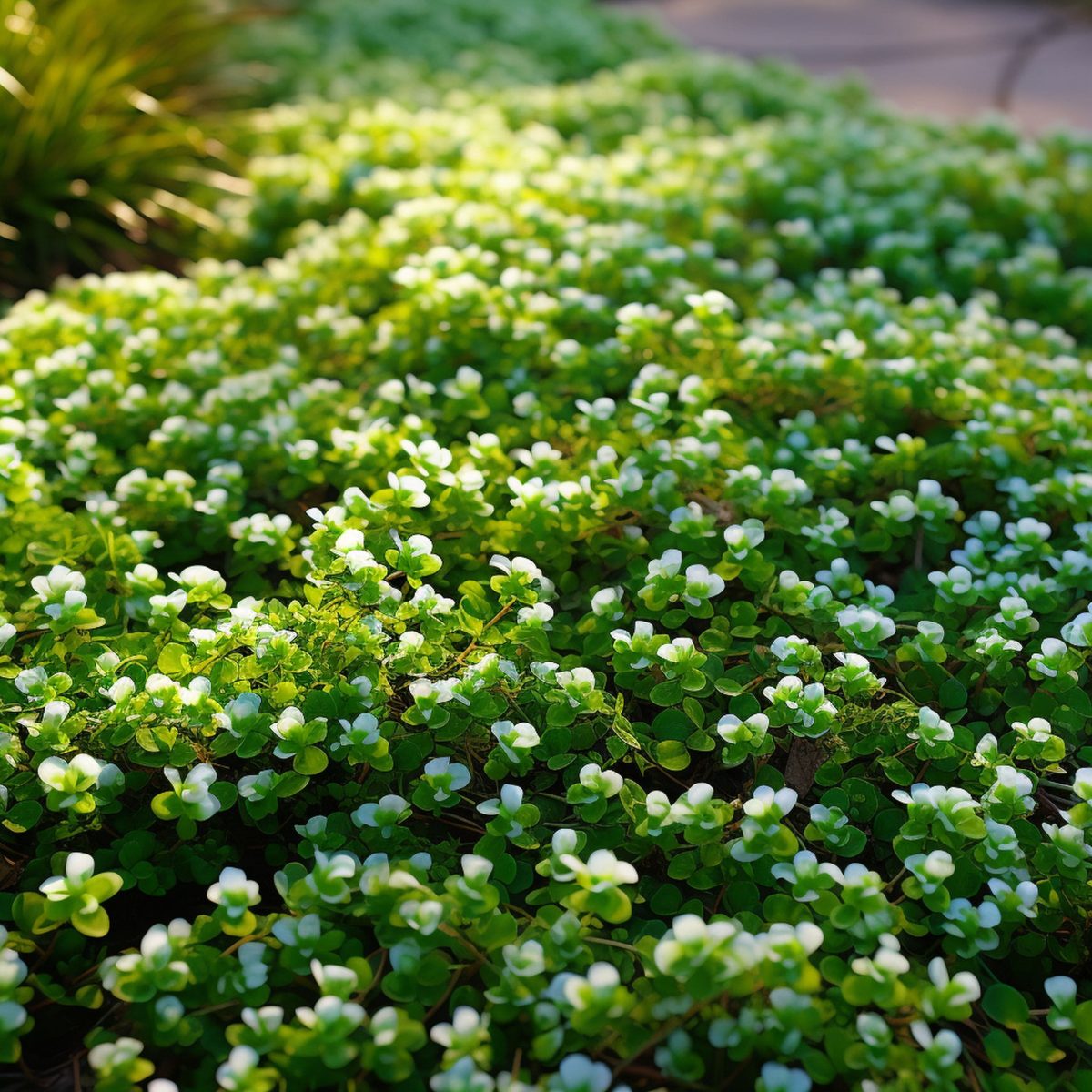
Instead of a traditional grass lawn that’s hard to maintain and lacking in personality, you will be pleased to find out that great alternatives exist to transform your yard. Trying something different could be an exciting idea when it comes to customizing the style of your lawn. If you’re trying hard to maintain that patch of grass green and healthy without success, perhaps it’s time to consider alternative plants.
There are many great solutions to keep a lush garden with minimal effort and without having to waste away a lot of water. Grass alternatives are recommended for any kind of climate because they often provide superior flexibility compared to conventional grass lawn designs. Another advantage of moving away from traditional grass outdoor spaces would be getting rid of lawn mowing.
If you’re looking to embrace a different kind of lawn, one that’s in touch with wildlife and the natural world, here are the best grass alternatives to consider. These eco-friendly choices are not just low-maintenance and more practical than razor-sharp grass, but they’re also incredibly versatile and attractive.
1. Creeping Thyme
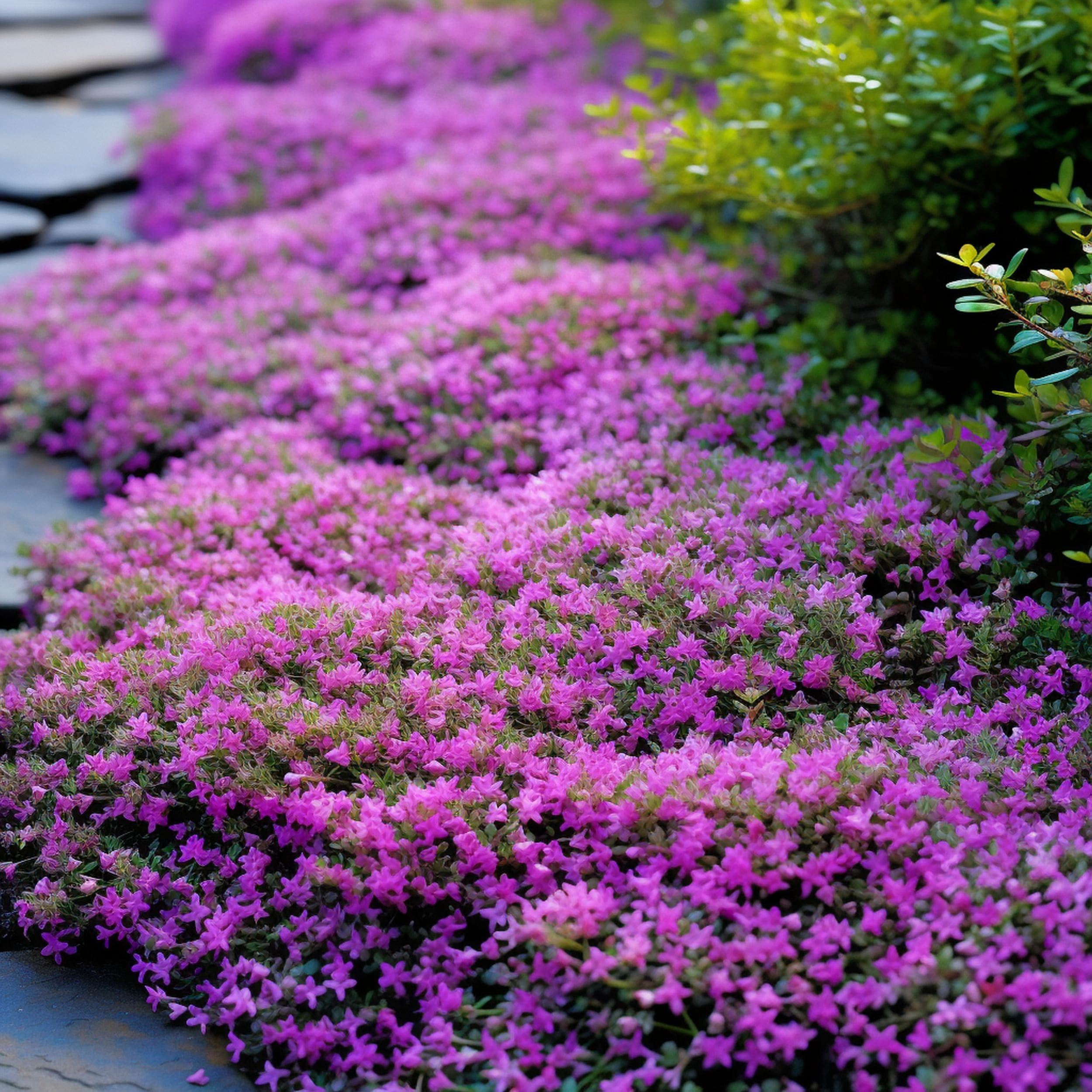
A groundcover plant such as creeping thyme could be a superb landscaping choice that replaces normal lawn grass. This is a fragrant herb that shows off beautiful foliage with small purple flowers. Some cultivars of creeping thyme can also produce pink or white blossoms. True to its groundcover function, this plant is ideal to replace unsightly patches of grass on your lawn.
Creeping thyme can create a spectacular view in the summer once its colorful flowers start to bloom. If you don’t want a full ground cover, the plant can work just as a nice garden accent. In terms of durability, creeping thyme is very easy to grow and maintain in good health. It offers great drought tolerance which means you don’t need to water it very often. The ground cover can tolerate poor soil quality and partial sun.
2. Clover

When it comes to grass alternatives, few options work as well as clover. This is a solid eco-friendly landscaping solution that brings lots of benefits to your lawn. Growing clover is very easy because the plant is extremely affordable and can tolerate a wide range of conditions. You don’t need rich soil quality for clover because it will often thrive in soils with poor nutritional content.
New clover plants require a bit of watering but only until they’re firmly established on your property. Then you can simply forget about its needs as clover performs great with minimal care. This plant grows really fast and doesn’t need fertilization while mowing can be done just as needed. It’s actually important to refrain from using fertilizers with clover because the plant has nitrogen-fixing properties and can suppress weeds.
3. Moss
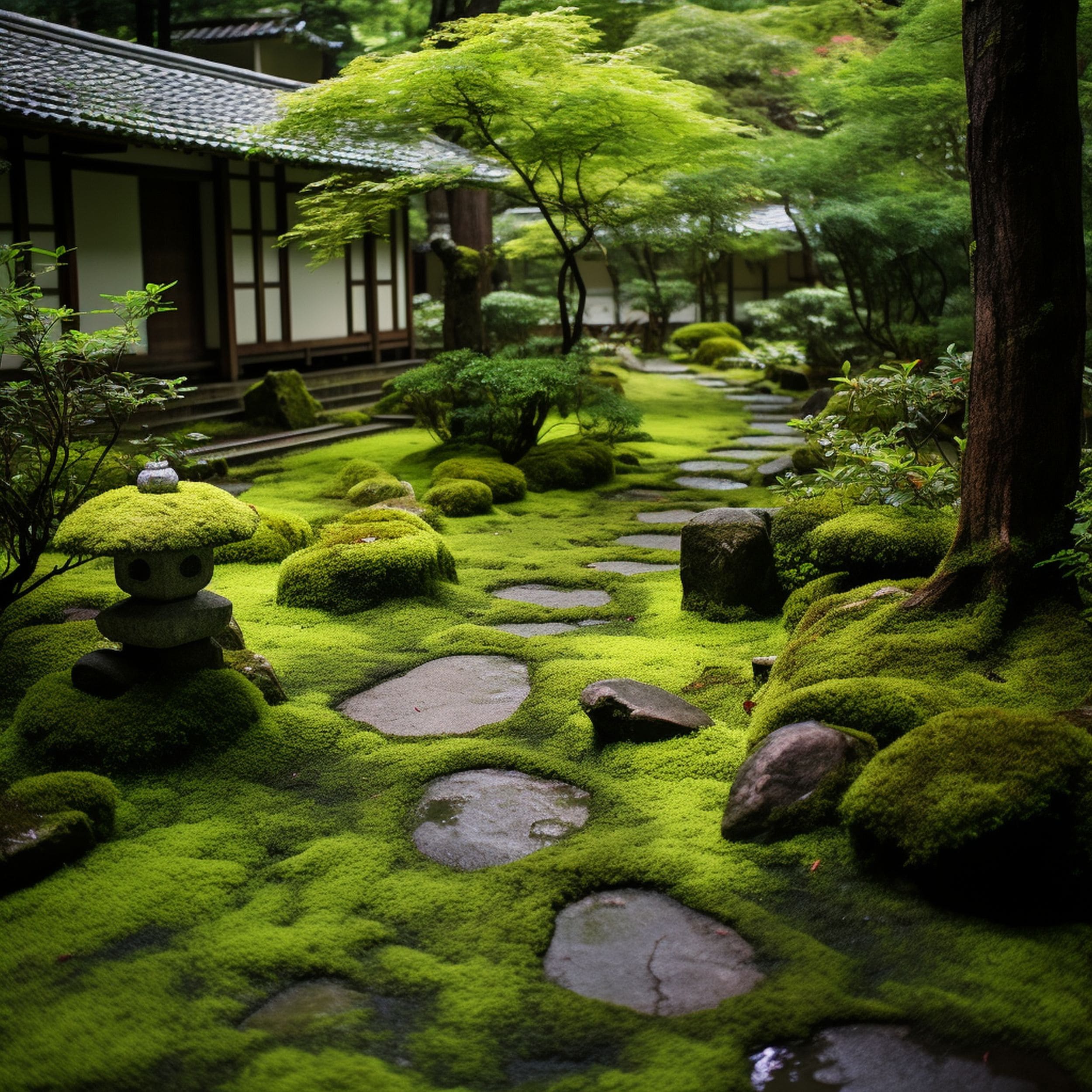
Frequently used for Japanese garden styles, moss represents an interesting alternative to grass. This old plant is able to decorate your lawn in a distinctive style thanks to its characteristic green color and velvety texture. You can use moss as ground covering considering how the plant doesn’t mind squashing. It’s only scraping that should be avoided which means moss isn’t particularly dog-friendly.
A moss carpet thrives in the shade and it will take some time to get the entire surface properly covered. Having a good watering schedule is important at first. Once established, however, the plant can live easily just by relying on rain. If you like the idea of a no-mow lawn, consider trying out moss instead of grass. It will look nice regardless of the season thanks to its natural overall hardiness.
4. Sweet Woodruff
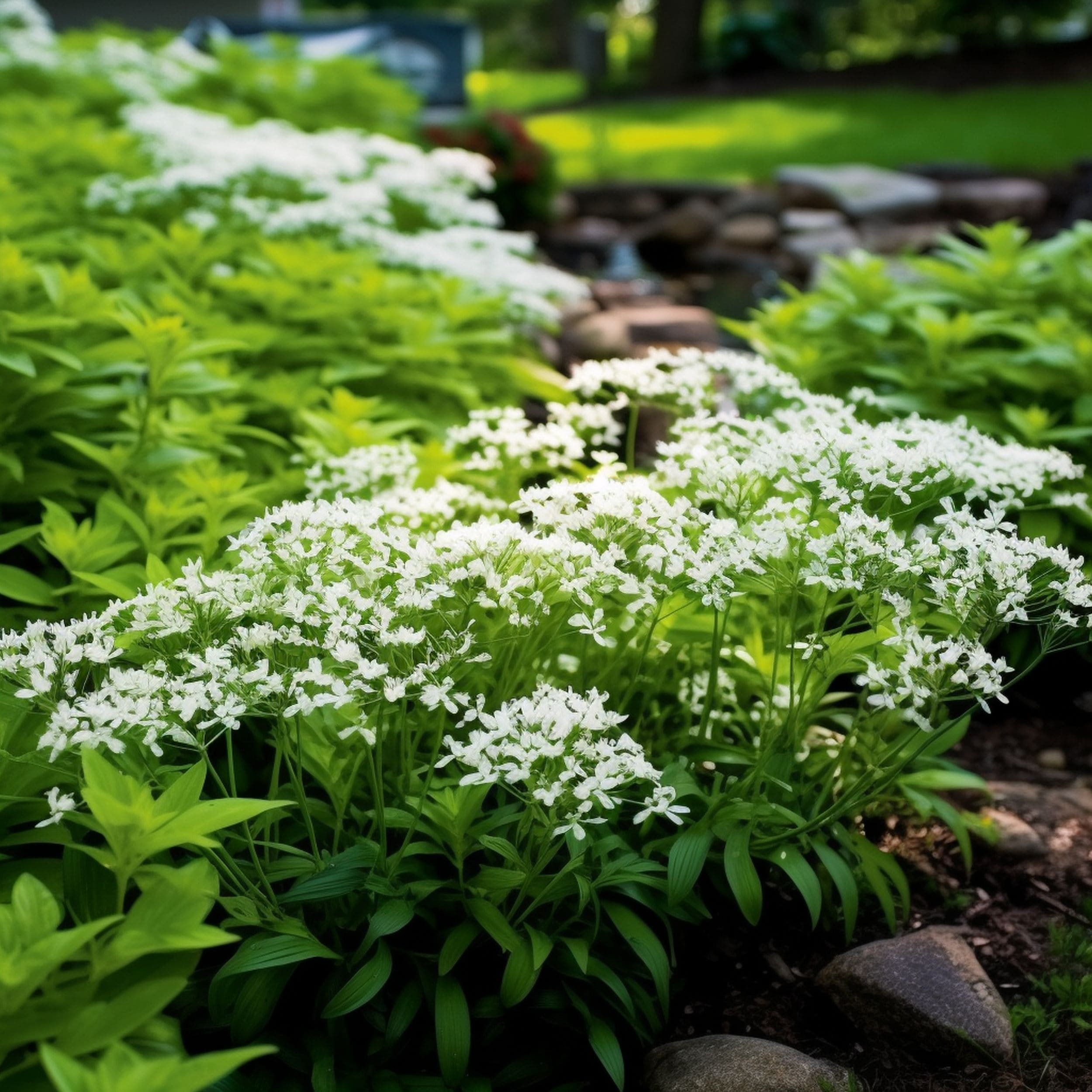
If you want to add vibrant greenery with a fresh smell, sweet woodruff could be worth trying. This aromatic herb boasts a characteristic scent that makes it reliable as an air freshener. The plant is edible and features a sweet vanilla-like taste. Thanks to its star-shaped foliage and lovely white flowers, sweet woodruff is easily able to improve curb appeal for your property.
Compared to grass, sweet woodruff is considered a sustainable landscaping option. It’s very easy to maintain as it doesn’t need too much watering. Mowing is also unnecessary given the reduced height of the plant. With the help of its particularly dense canopy, sweet woodruff is highly reliable against weeds. That means you also don’t need to reach for the weed killer very often. Keep in mind that sweet woodruff only grows properly in the shade as direct sunlight can burn its foliage.
5. Switchgrass
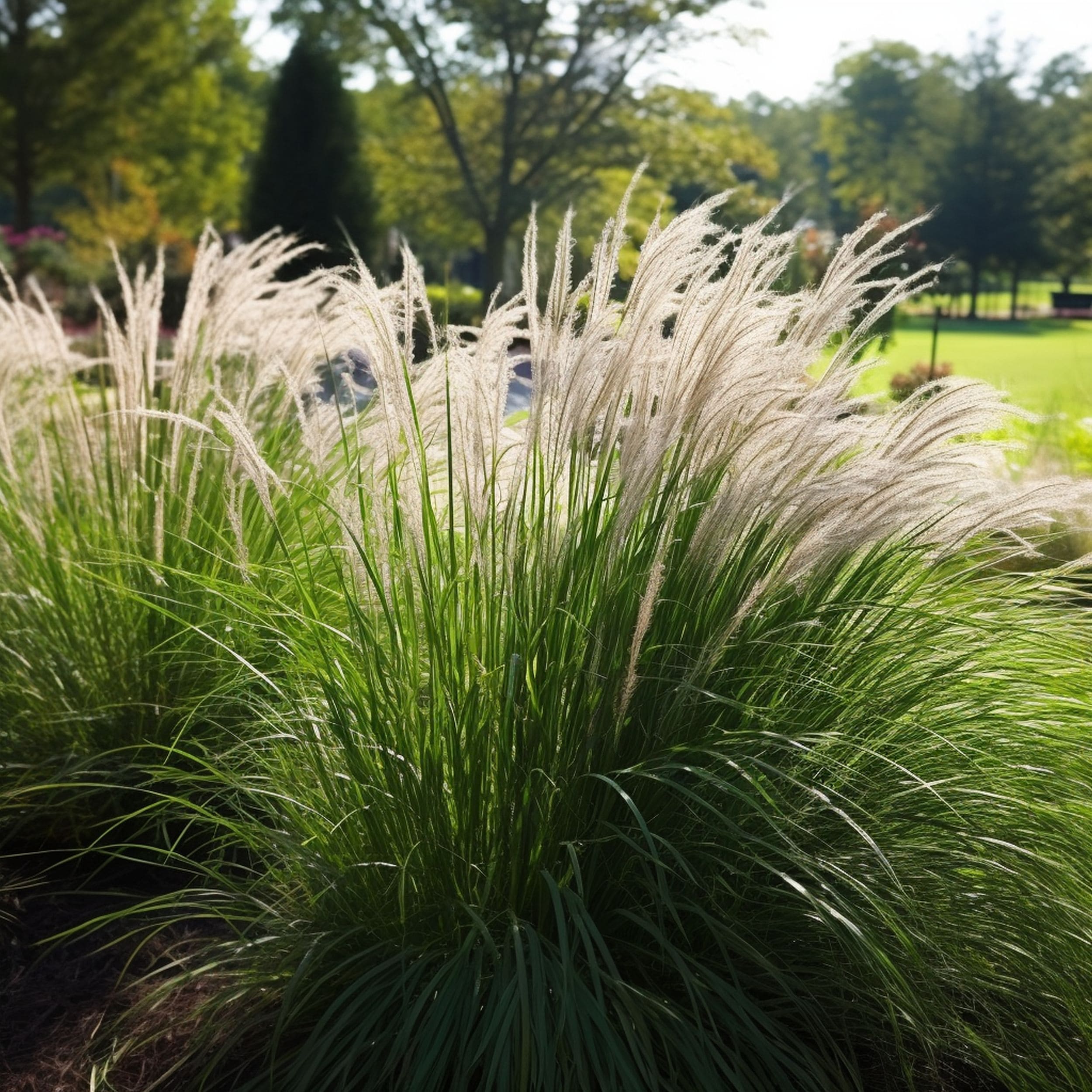
Ornamental grasses have many great uses for landscapers who need an alternative to traditional grasses. Switchgrass is a great variety to consider if you want to bring a beautiful accent to your lawn without worrying too much about maintenance. This ornamental grass offers solid drought resistance while it’s able to attract some pollinators. It’s resistant to insects and works nicely as erosion control for your yard.
Switchgrass tends to form clumps with a yellow tinge and a finely textured seedhead. It’s a type of tallgrass prairie and can grow abundantly in the wild during the warm season. The ornamental grass will generally reach heights between 3 to 6 feet. It’s often recommended to decorate the areas in the garden around pathways or to beautify rock gardens.
6. Chamomile
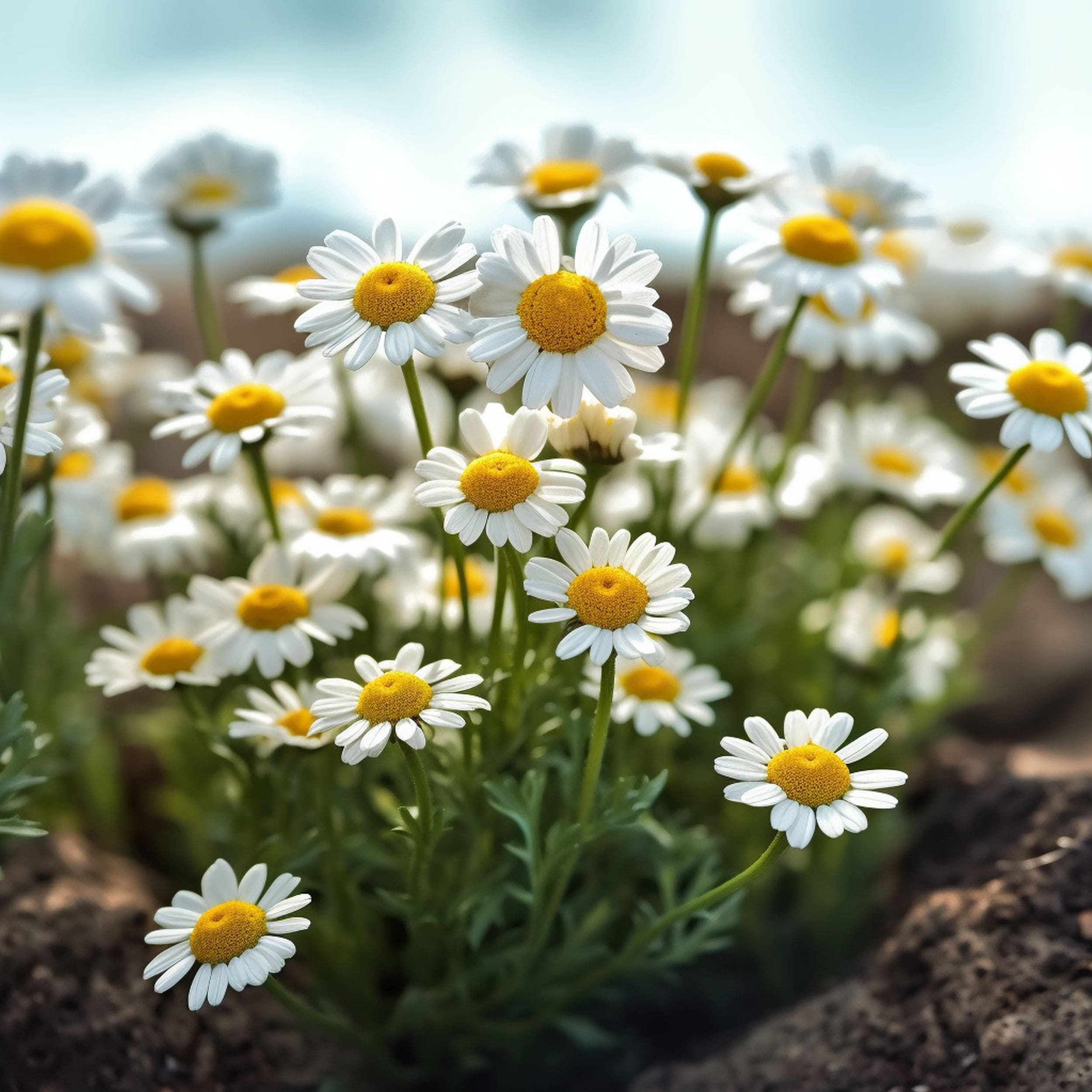
Known for its low-maintenance and delicate scent, chamomile is an amazing grass alternative that shouldn’t have trouble growing on almost any kind of lawn. Walking through a yard decorated with chamomile plants can provide a delightful experience considering the lovely aroma spread by the herb. You can grow chamomile either in direct sun or partial shade while the watering requirements are absolutely minimal.
Thanks to its natural drought resistance, chamomile can withstand dry periods much more effectively compared to regular grass. Another benefit of this plant is its soil-enriching properties that essentially allow it to fertilize surrounding plants in your yard. Chamomile requires virtually no mowing but occasional trimming could be helpful to maintain its growth in check. Make sure you select a non-toxic variety of chamomile for your lawn if you own pets.
7. Corsican Mint
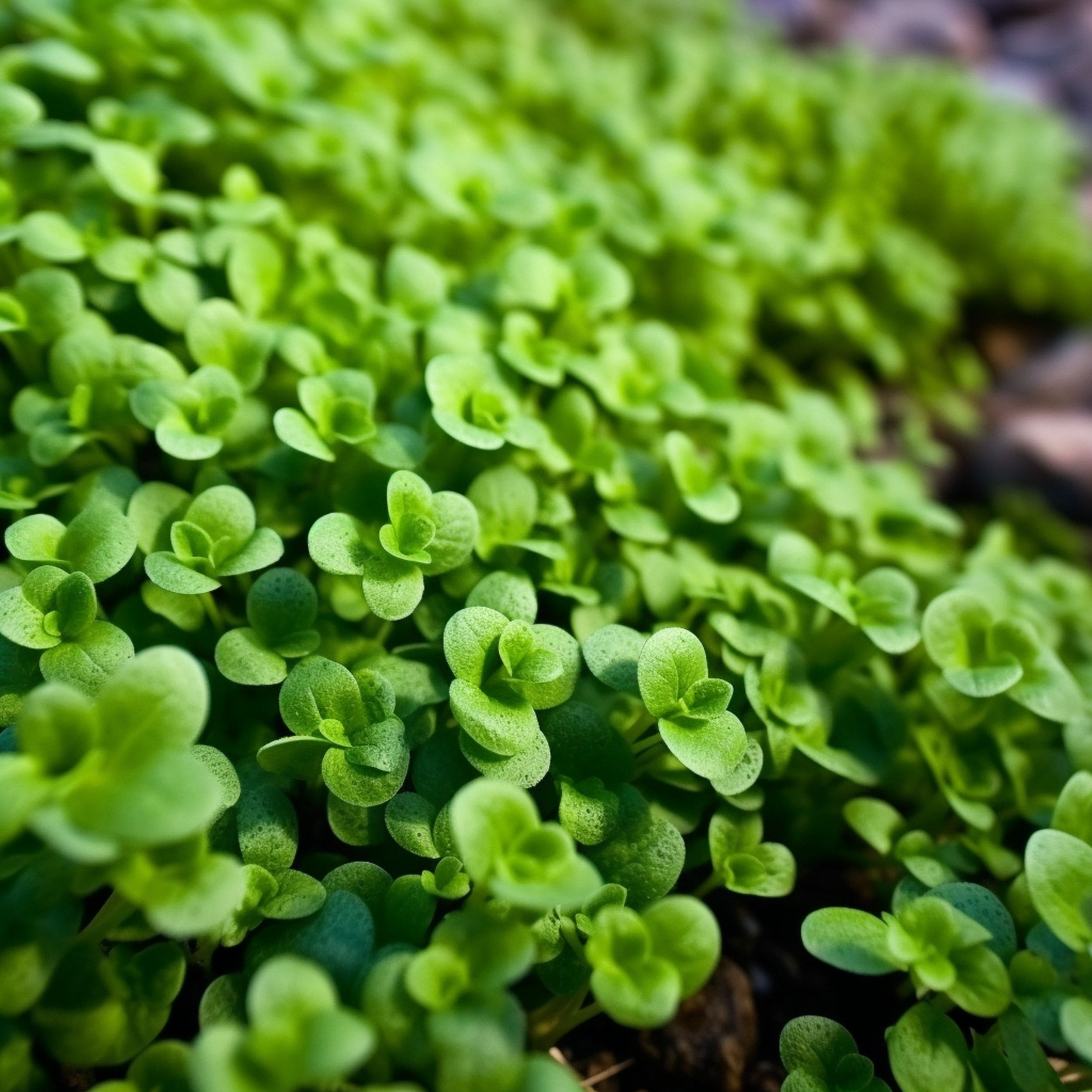
When it comes to mint species, the Corsican variety seems to be ideally suited as a groundcover plant. This plant has no fussy growing requirements in terms of soil quality or sunlight exposure. Corsican mint can handle foot traffic without issues while also providing a distinctive minty aroma on your lawn. The ground cover is mostly grown for its verdant foliage, but it also produces tiny lilac blossoms.
Although Corsican mint is relatively easy to grow in most yards, it will still take some time until the herb is properly established. Aside from regular watering, the plant may require a healthy dose of fertilizer to start growing as expected. Corsican mint tends to spread quite vigorously and is highly recommended as a no-mow grass alternative.
8. Creeping Charlie
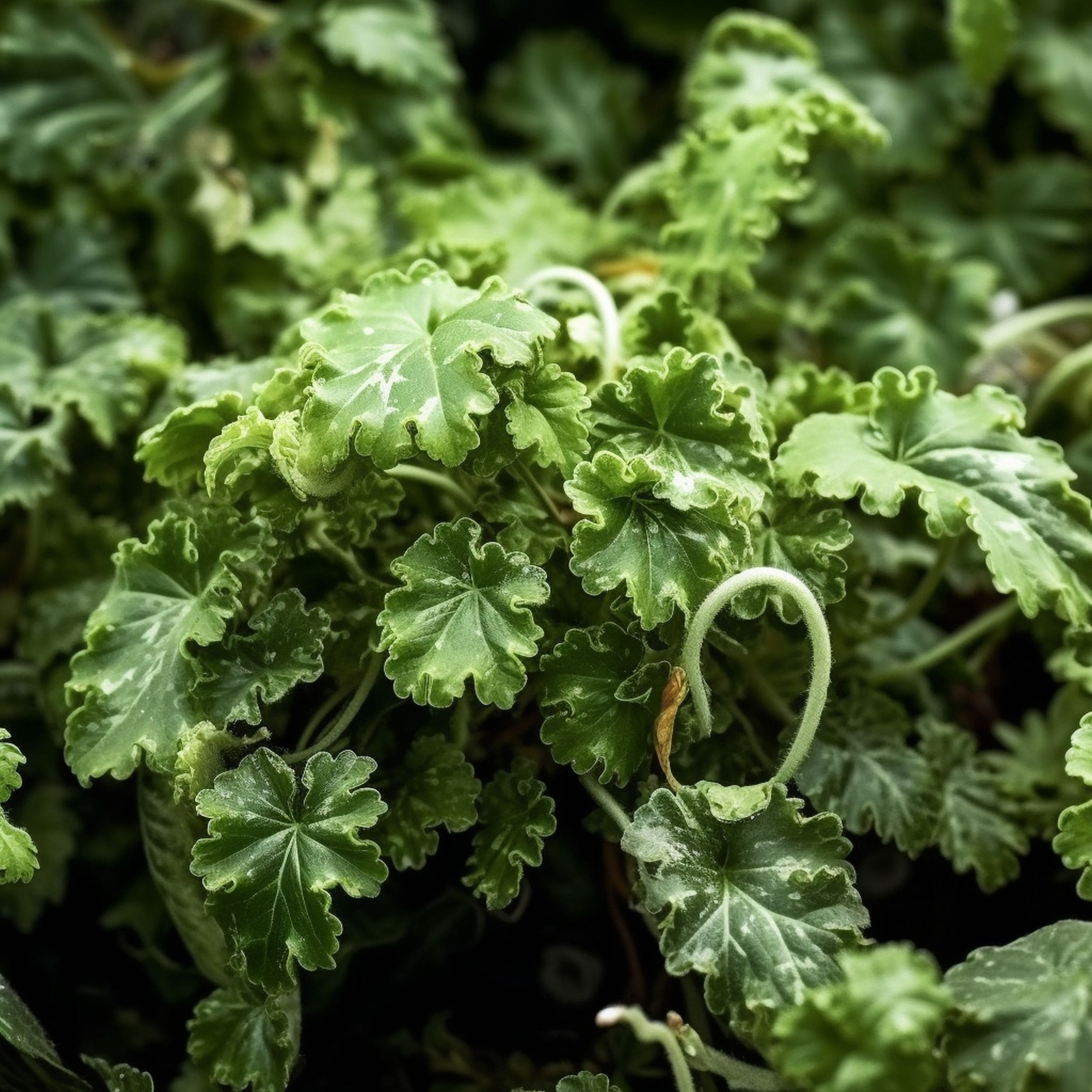
Most landscapers will usually struggle to get rid of creeping Charlie because it’s generally considered a pesky weed. It might sound strange, but this plant is actually a solid grass alternative when used as a ground cover. You can take advantage of the plant’s quick-spreading abilities and create a thick carpet of creeping Charlie in areas of the garden where nothing else seems to grow.
There are lots of surprising benefits to growing this member of the mint family. Creeping Charlie is very hardy so there’s no need to worry about trampling damage. It’s even resistant if you have pets or children running around the yard. Due to the plant’s ability to thrive on neglect, you can grow it without bothering with fertilizer or regular watering. Creeping Charlie will also not require mowing.
9. Sedum
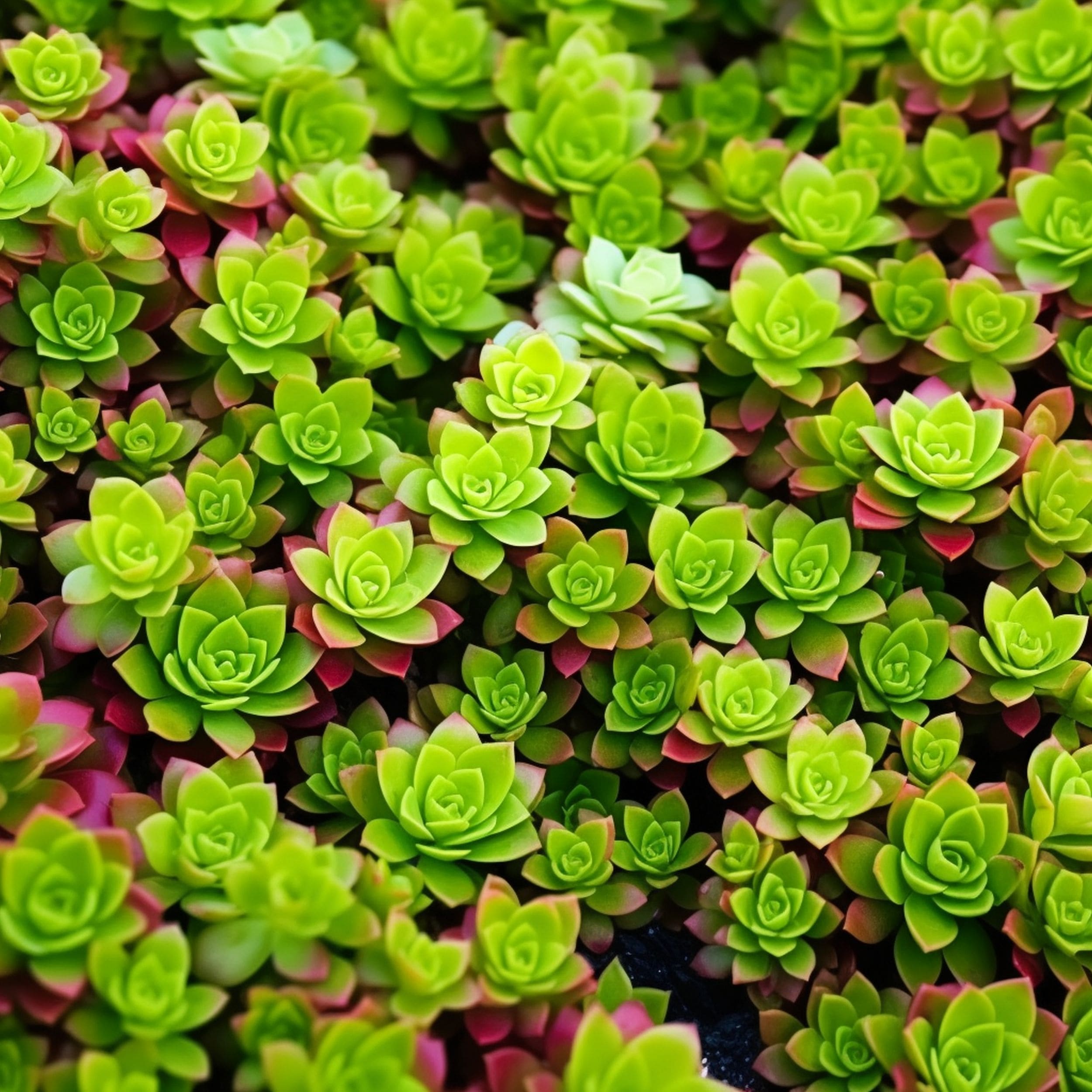
Another excellent groundcover plant, sedum produces an attractive mat of succulent leaves that can successfully replace grass on lawns. As opposed to other similar plants, sedums are more low-maintenance. They don’t require a lot to grow but full sunlight exposure could be an important condition to respect. Some types of sedums offer respectable tolerance to partial shade.
The plant is efficient in terms of water management, which means that you don’t have to work too hard to keep it alive. Sedum is a creeping groundcover plant that will typically grow in almost any type of soil. Just make sure you select a well-drained site. Some of the most attractive sedum varieties include ‘Dragon’s Blood’, ‘Angelina’, and ‘Tricolor’.
10. Vinca Minor
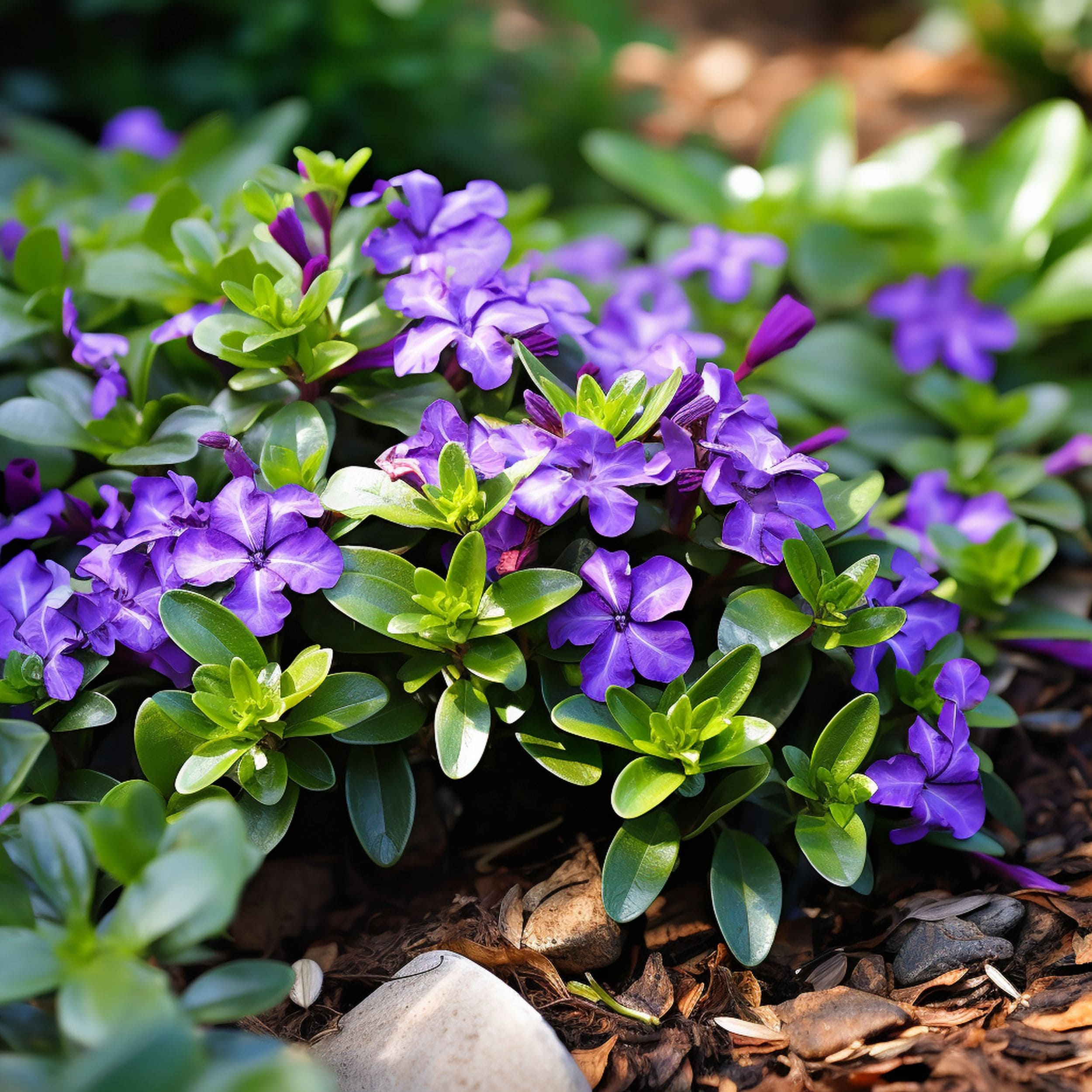
If you have a more shaded area where normal grass struggles to grow, consider a plant like vinca minor. This ground cover is adapted to grow without the need for a lot of exposure to sunlight. It features long trailing vines and requires almost no maintenance. The disadvantage of vinca minor is that it may not fully replace grass anywhere. It’s not a durable plant when it comes to being walked on.
Also known as periwinkle, vinca minor produces lovely blue or purple flowers that typically bloom quite early, usually in the spring. The groundcover plant performs great during dry periods and works wonderfully for hillsides and slopes if you’re worried about soil erosion. Keep in mind that lots of areas of the US consider vinca minor an invasive plant. It’s not the best choice if you have pets due to the plant’s toxicity.
11. Snow-in-Summer
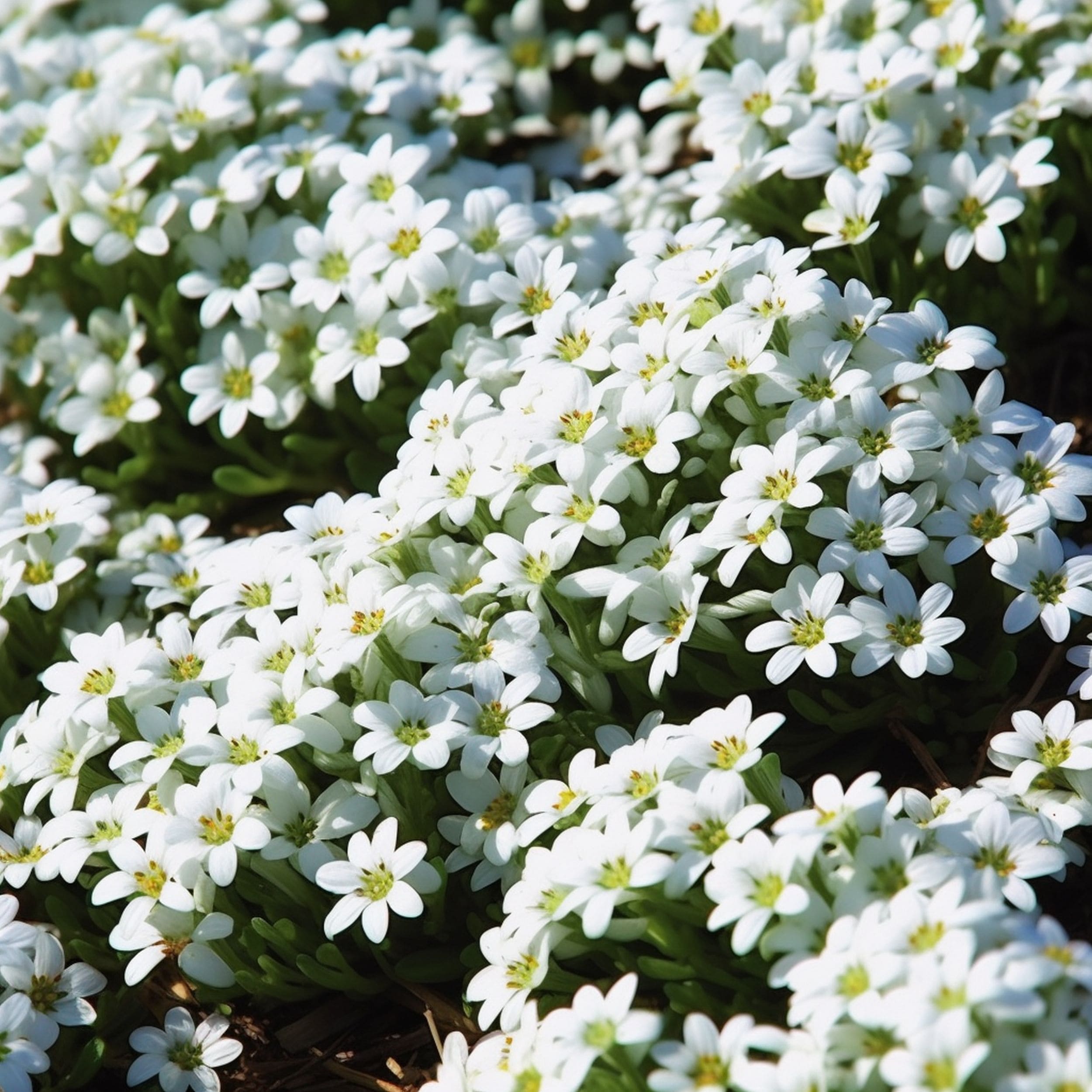
With a distinctive name received from its gorgeous white blooms, snow-in-summer is a reliable grass alternative for small-scale lawn replacements. This perennial plant can survive in many tough conditions thanks to its natural resilience. The dazzling flowers it produces are accompanied by silvery-gray foliage that can instantly remind you of ornamental grasses.
Aside from its ability to add visual interest to the yard, snow-in-summer is a great pick when it comes to drought resistance. Established plants have no need for additional watering. In terms of ground-covering performance, the plant spreads reasonably fast, though not as quickly as others. Snow-in-summer isn’t recommended for areas that get a lot of foot traffic considering its delicate form.
12. Buffalograss
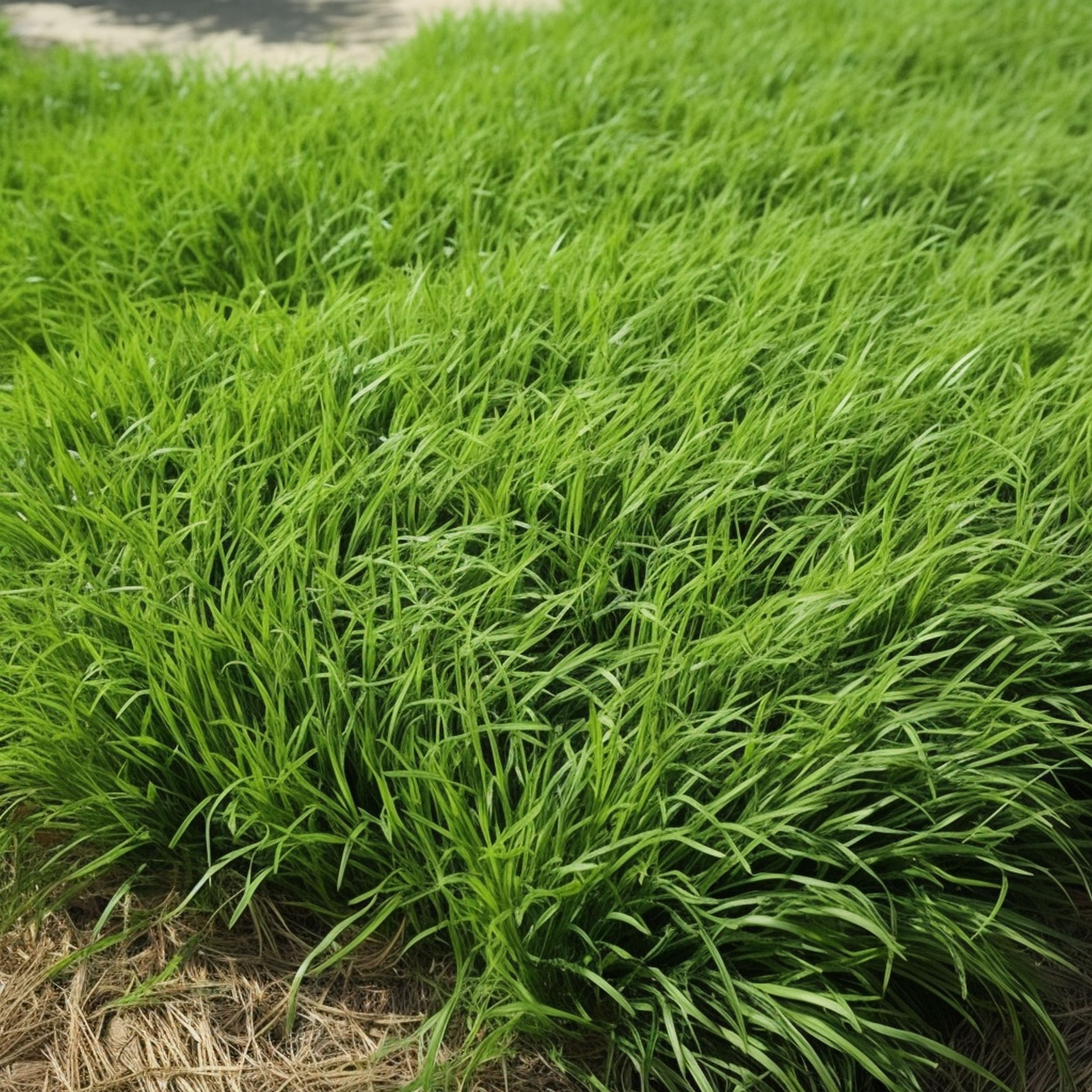
No-mow grasses work flawlessly as alternatives to the standard type of grass used in most lawns. Buffalograss is a great example because it easily manages problems like drought or foot traffic. The best part is that it’s not necessary to get your lawn mower out to keep it in proper shape. Buffalograss is adapted to plains and prairies, but it’s also well suited to the warm climates of the Southern states.
The fine foliage of this no-mow grass reaches an impressive level of density. The only notable disadvantage is that buffalograss tends to grow pretty slowly. It’s not the right solution if you need an immediate replacement for the grass on your lawn. The plant can only thrive in full sun and will struggle in shaded areas. ‘UC Verde’ is one of the best buffalograss varieties in terms of low maintenance.

Leave a Reply