
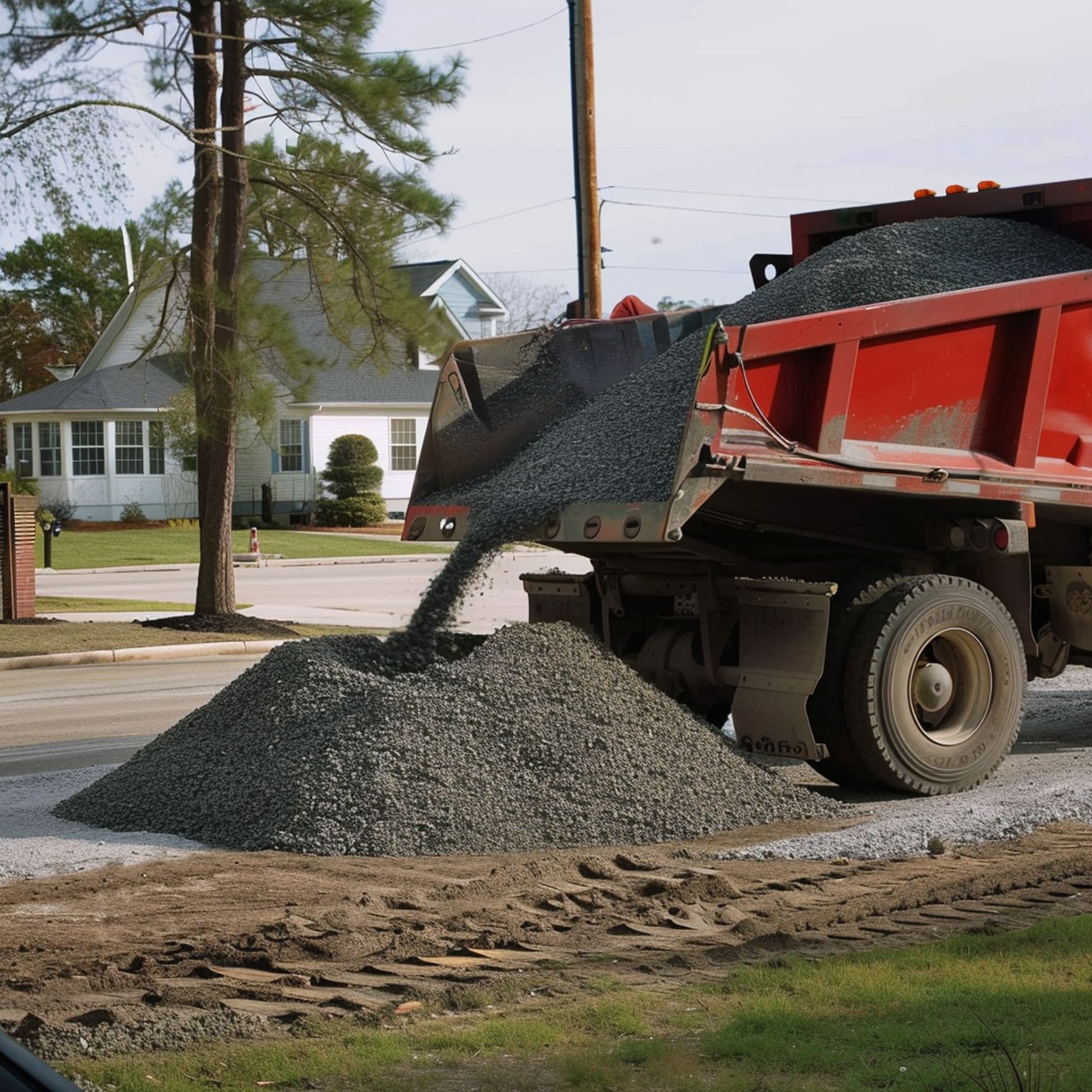
There are lots of homeowners who view gravel as a suitable material solution for their driveways. Gravel can have a more rural reputation because it’s popular for country roads but there are lots of reasons why it should be considered for urban environments as well. It’s recommended for driveways because it’s durable, affordable, and overall more practical to install compared to paving or other solutions. Gravel can also be attractive. It’s just a matter of finding the best type to match the style of your driveway.
Best Driveway Gravel Types
How do you choose the best type of gravel for the driveway? There’s no easy answer to that question because there are multiple factors to consider. However, most people can find the right option by selecting from a core group of gravel types that are designed for residential use. You should take some features into account when picking a type of gravel for your driveway. It’s not simply a matter of personal preference.
Selecting a type of gravel that boasts great visual appeal is usually the most important aspect for the majority of homeowners attracted by this landscaping solution. It’s also recommended to keep in mind other details that can play a role in the overall functionality of the gravel and your own satisfaction. For example, some types of gravel are more durable so they’re better for high-traffic driveways.
1. Pea Gravel
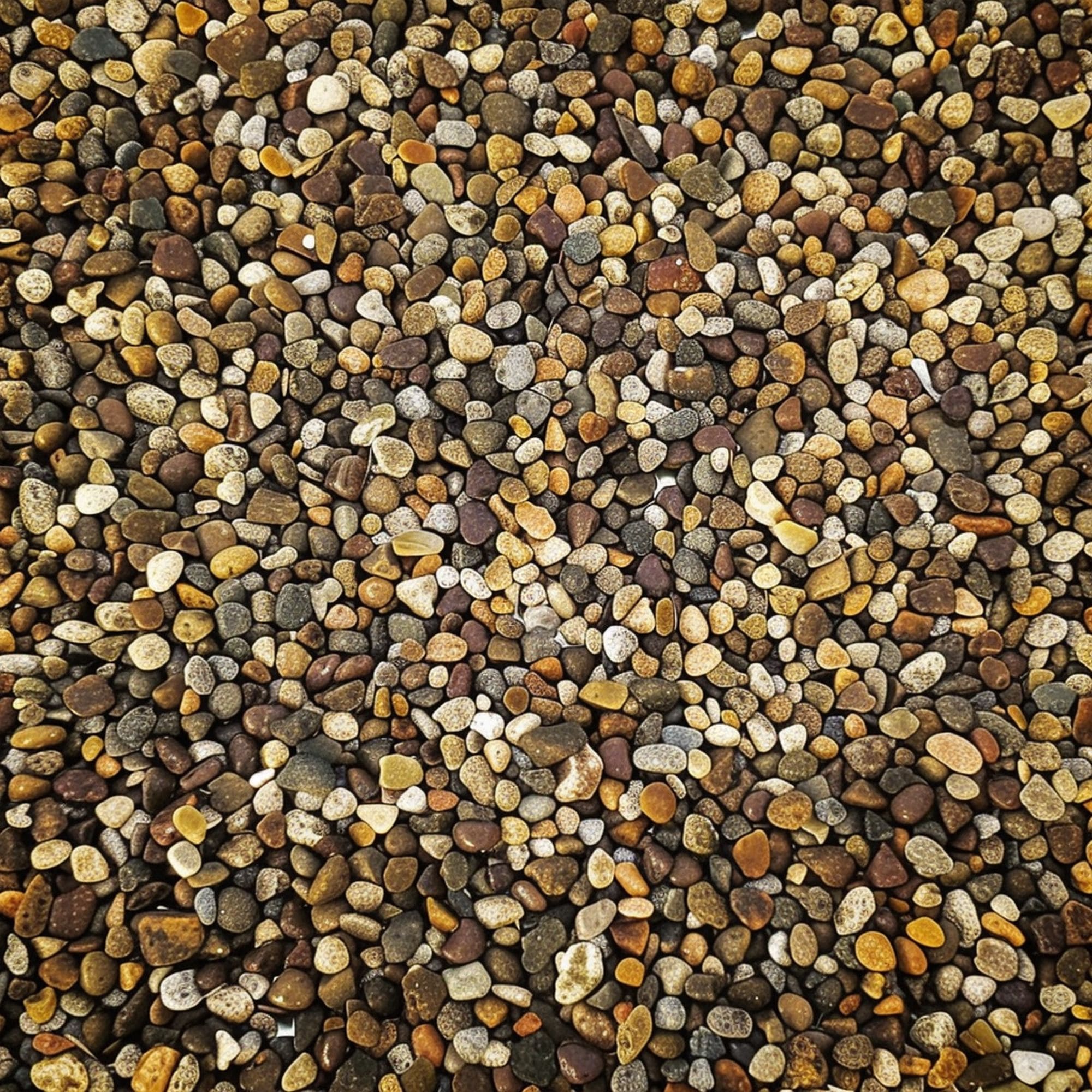
Pea gravel is made up of stones that show off a natural weathered appearance. It has solid decorative potential considering the availability of more vibrant colors, not just simple neutral tones. In terms of texture, pea gravel feels soft and fairly smooth. The multicolored appearance represents one of the main reasons why pea gravel is a solid choice for driveways.
This type of gravel is quite stable compared to others so that’s why it can also be considered a functional choice. When it comes to drainage, the performance of pea gravel is respectable. It’s superior to other options such as quarry stone thanks to its natural roundness. Pea gravel can work ideally for creating a nice top layer of stones for the driveway.
If you’re interested in pea gravel, it’s worth mentioning that you should integrate a reliable edging solution as well. This is because this type of gravel can make it hard to drive on it unless the stones are properly contained. All in all, pea gravel is among the best options for a driveway because of its looks, texture, and drainage. It’s recommended to increase curb appeal for your home.
2. Crushed Stone
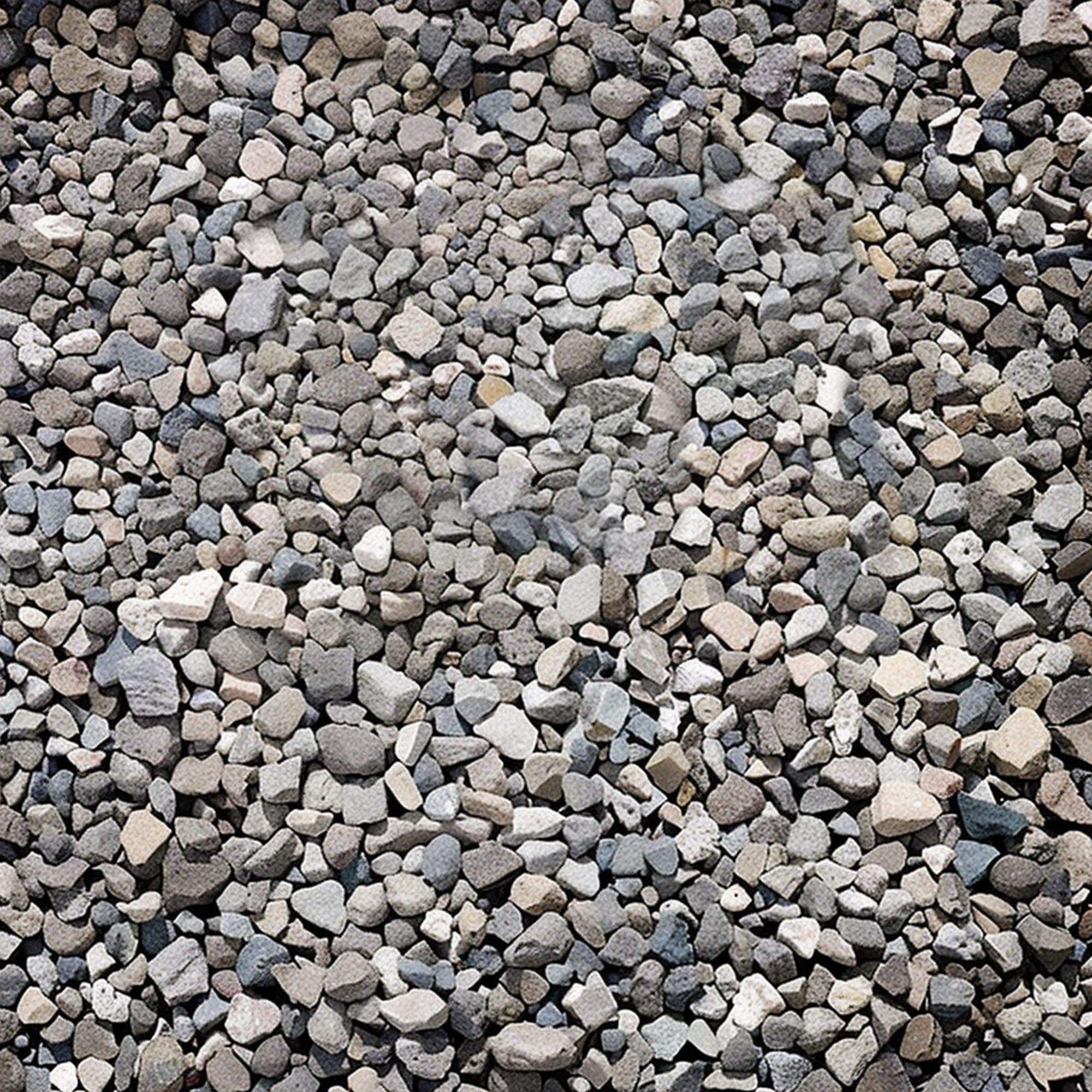
Anyone who prefers a more inexpensive and durable driveway gravel type should consider crushed stone. This option is recommended in areas with a lot of traffic so a frequently used driveway could be a good match. Crushed stone doesn’t impress with its water drainage abilities but mixes usually offer a generous amount of dust that makes up for this drawback.
What is usually contained in crushed stone gravel? You will find a combination of small rocks and coarse sand. They’re designed to be as versatile as possible so this gravel works ideally for other applications besides driveways. You can count on the material as a base layer or a top layer thanks to its exceptional durability.
Keep in mind that not all types of crushed stone materials work ideally for driveways. Some of the best types include #57 and #411 crushed stone gravel. These provide a solid balance between durability and drainage. The #411 crushed stone makes use of stone dust together with smaller rocks to deliver a finer texture. This results in added stability for creating a suitable surface to drive across.
3. River Rock
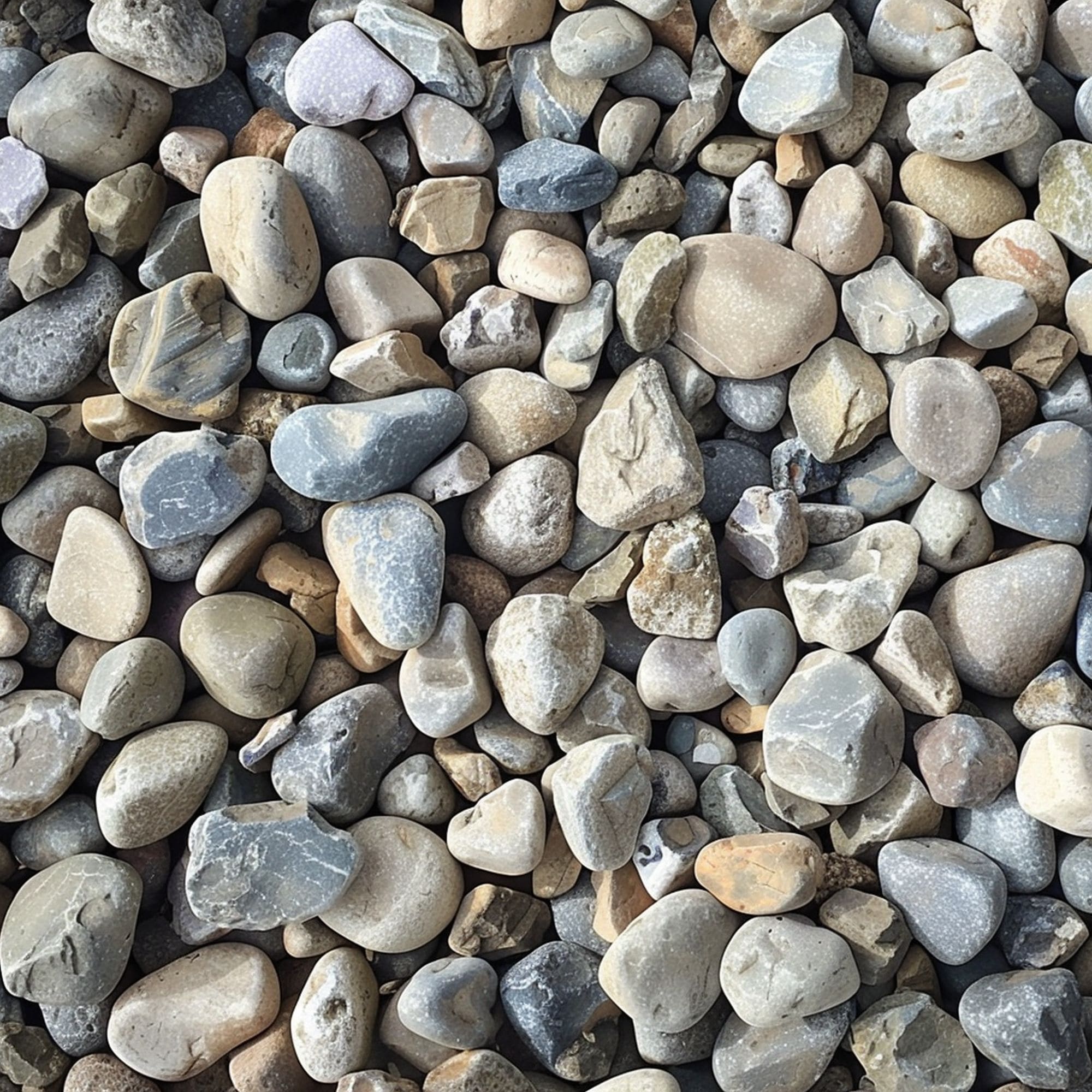
River rock gravel gets its name from the effect of moving water that makes the stones smoothed. It’s somewhat similar to pea gravel in terms of looks because it shows off natural properties. River rock isn’t as stable but it can often be more attractive thanks to its stylish blend of colors and textures. The variety of sizes in this gravel type contributes to making it a standout option for your driveway.
The term river rock typically refers to round, semi-polished stones. The gravel can be easily recognized by its eye-catching appearance. For this reason, we recommend using river rock as the top layer in the driveway. If you plan on using this type of gravel, just make sure you’re aware of potential stability issues that can be compensated through reliable edging materials.
4. Quarry Stone
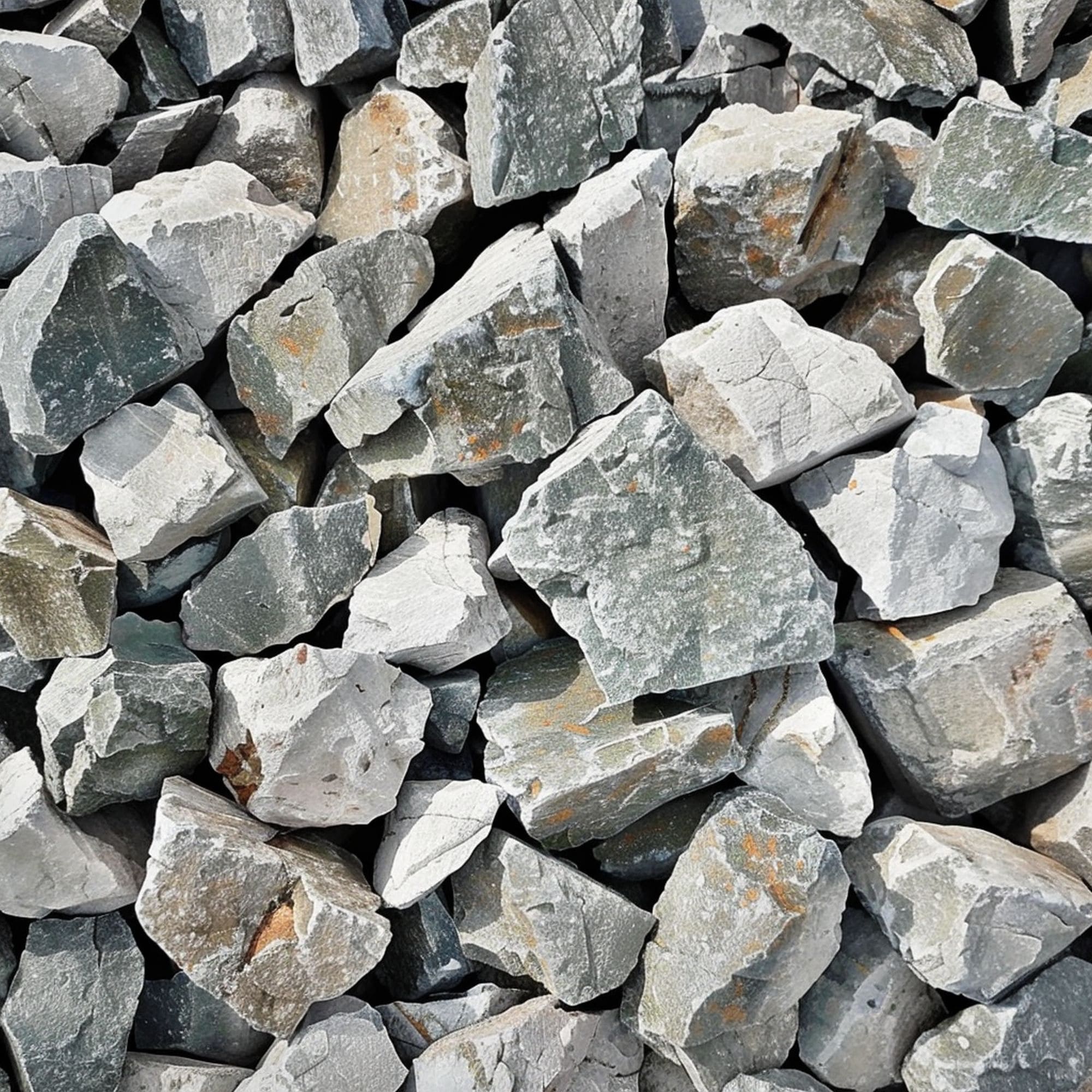
A mix of crushed stone and stone dust, quarry stone gravel offers great qualities for driveways. The material is specially crafted to bind together and create a stable surface. It’s safe to say that quarry stone is one of the most practical driveway gravel types. The only notable problem with it is the less appealing look. If you don’t mind that, then quarry stone is an excellent durability choice.
The added dust in this type of gravel gives it a characteristically smooth texture that can be compacted to create a semisolid surface. Homeowners concerned about water drainage should be aware that quarry stone gravel will cause issues in very wet climates. If you want rainwater to drain properly, it’s important to crown the driveway and minimize any potential damage. That means to keep the middle of the driveway at a higher elevation compared to the sides.
5. Stone Dust
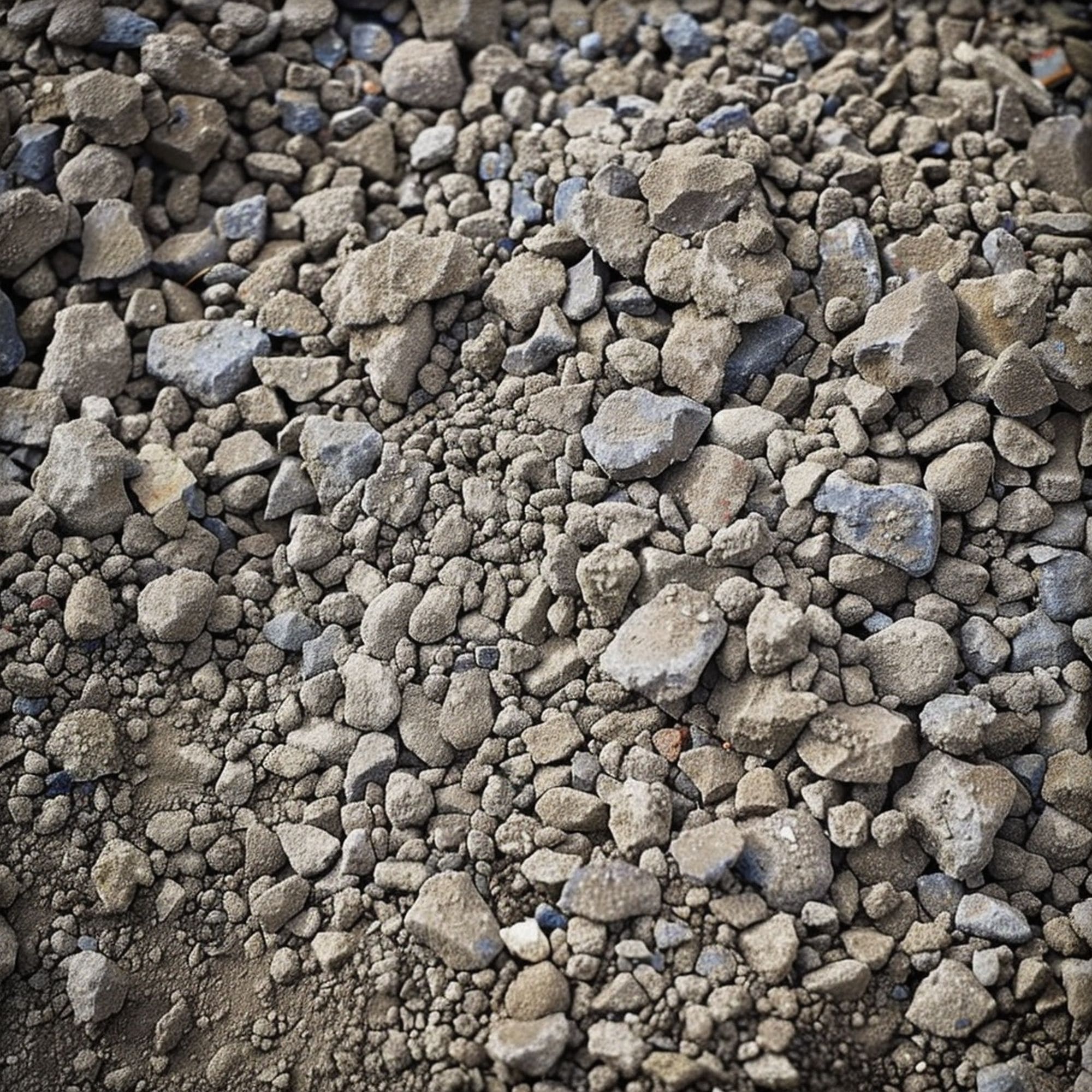
If you prefer an extra-fine type of gravel, stone dust could be a smart driveway choice. It’s basically crushed stone gravel that’s been reduced to a powder form that’s almost like dust. You can use it by itself but it’s often recommended to mix it with larger stones for the best results. The stone dust is able to form a strong surface that’s resistant to water. It can be practical for many situations such as avoiding the growth of weeds on the driveway.
6. Clean Stone
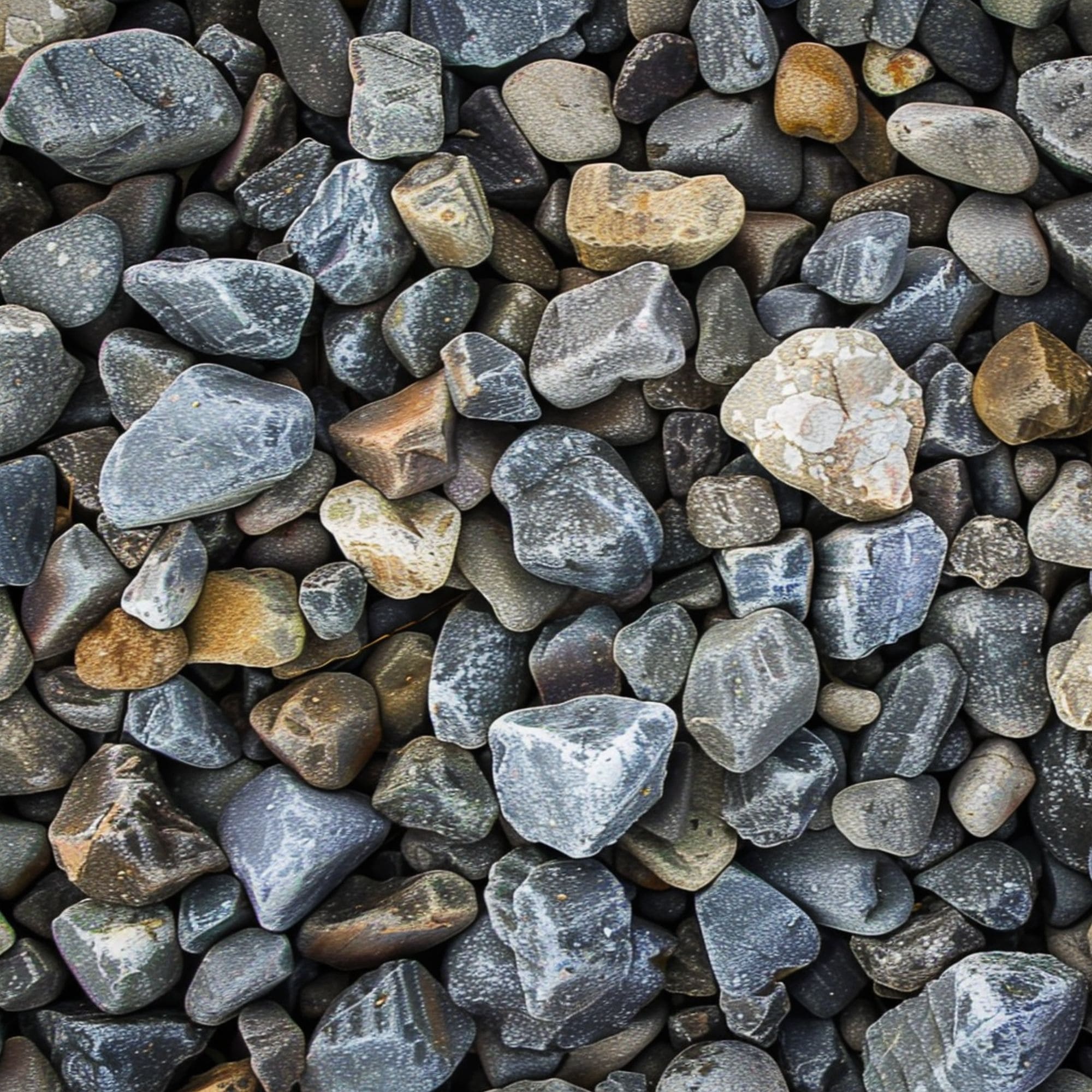
The term clean stone usually refers to a particular size of gravel that’s also called #3 stone. You will most likely need different sizes to create a reliable gravel surface for the driveway. Clean stone gravel is recommended for the base layer because it’s capable of building a durable foundation without sacrificing drainage performance. The stone is crushed using machines to reach a specific size that makes the gravel fragments balanced and versatile.
7. Item #4
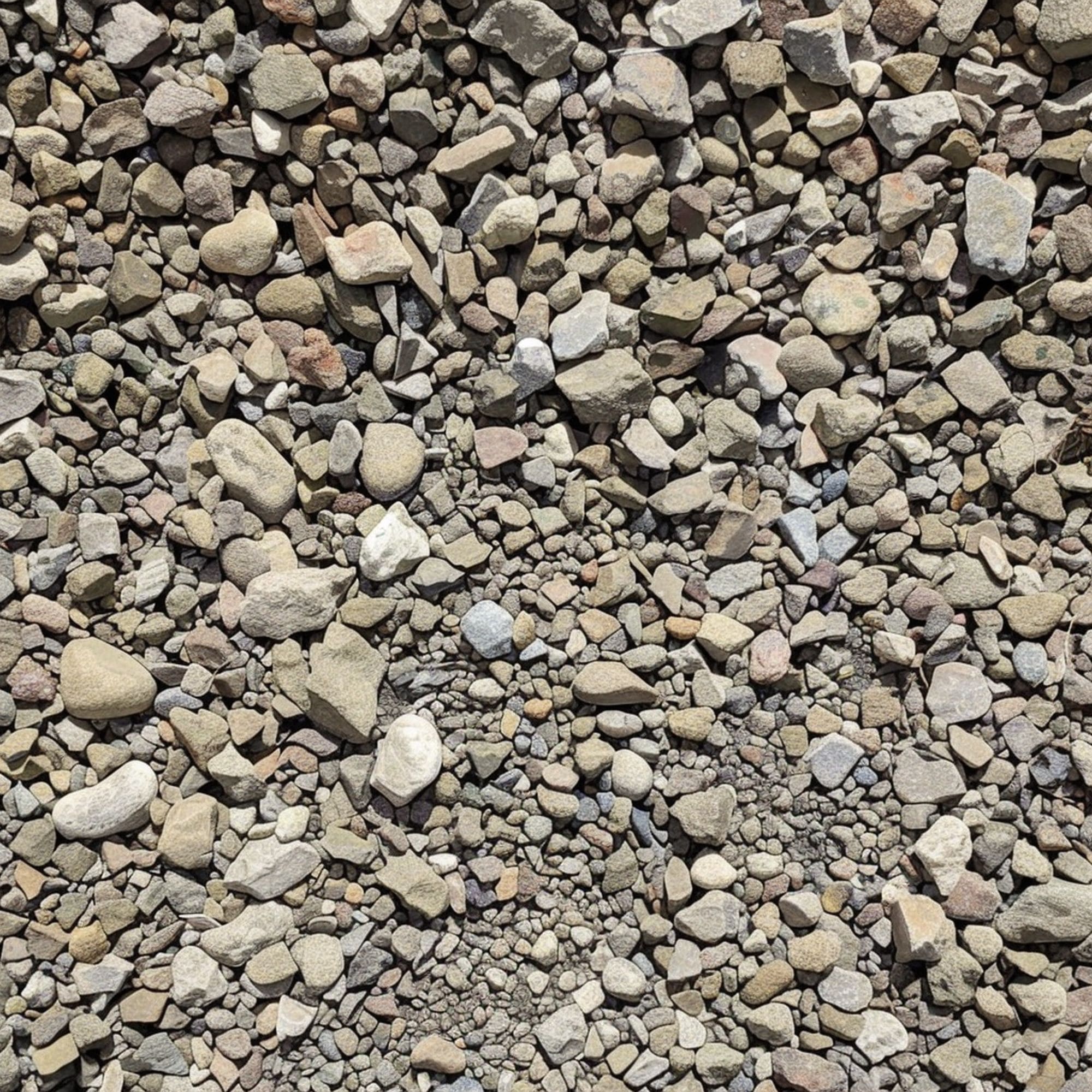
A very popular type of gravel for the driveway, item #4 is a highly recommended option to form a sturdy base layer. It’s designed by mixing crushed stone, sand, and dirt. The exact composition can differ so you can get item #4 gravel variations that offer more distinctive colors or durability characteristics. The texture and size make this type of gravel ideal for lots of driveways.
8. Jersey Shore Gravel
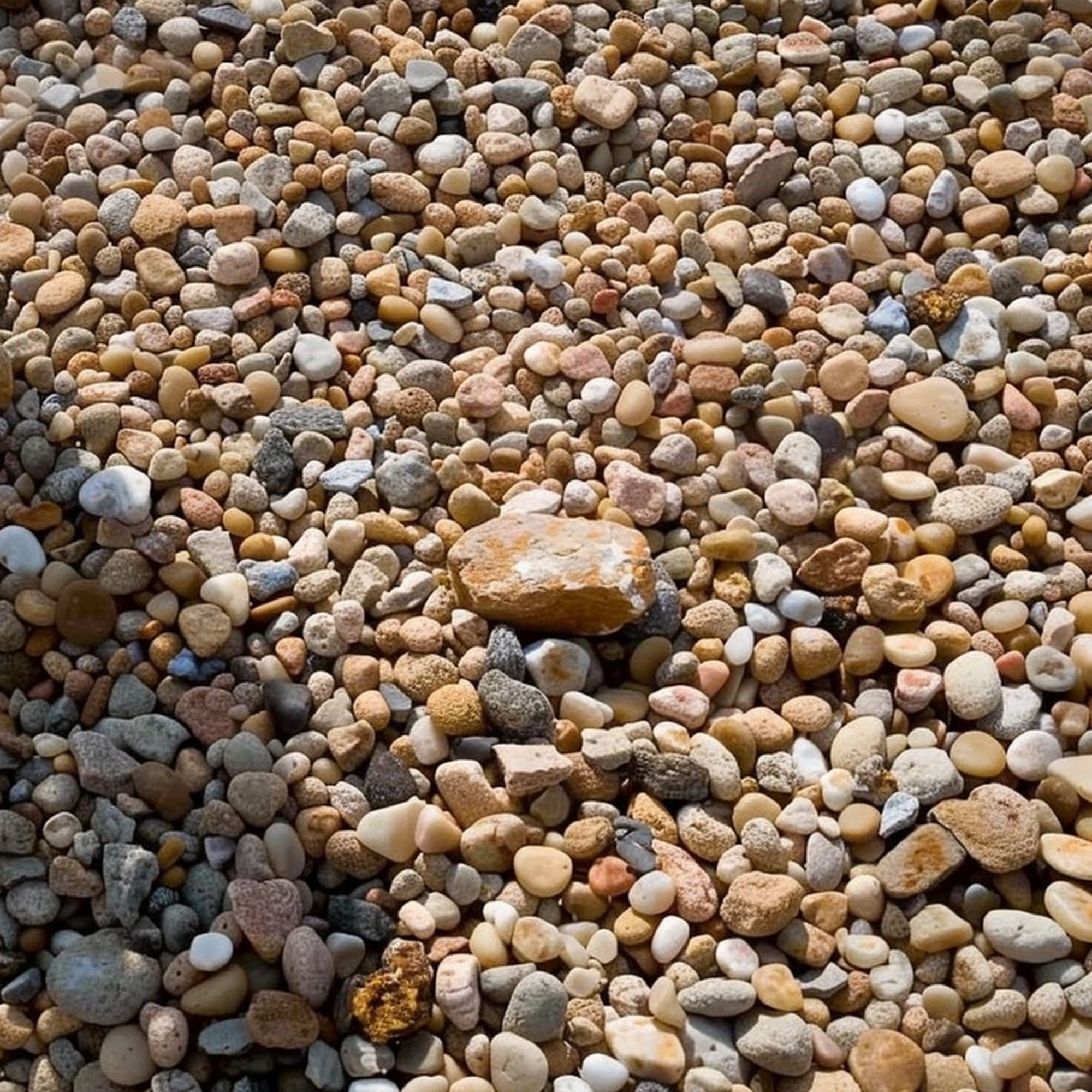
The Jersey Shore gravel type is reasonably durable but it’s usually chosen for its aesthetic qualities. It can make your driveway stand out through the sparkling whitish stones that show off different shades of tan and yellow. This type of gravel is popular in New England and lots of other states due to resembling the look of beach sand.
Using Jersey Shore gravel is recommended if you plan on making a more inviting atmosphere for your driveway. The stability of the gravel is comparable to pea gravel because of similarities in terms of size and texture. That means proper edging is mandatory to be able to drive on the gravel without issues.
9. Marble Chips
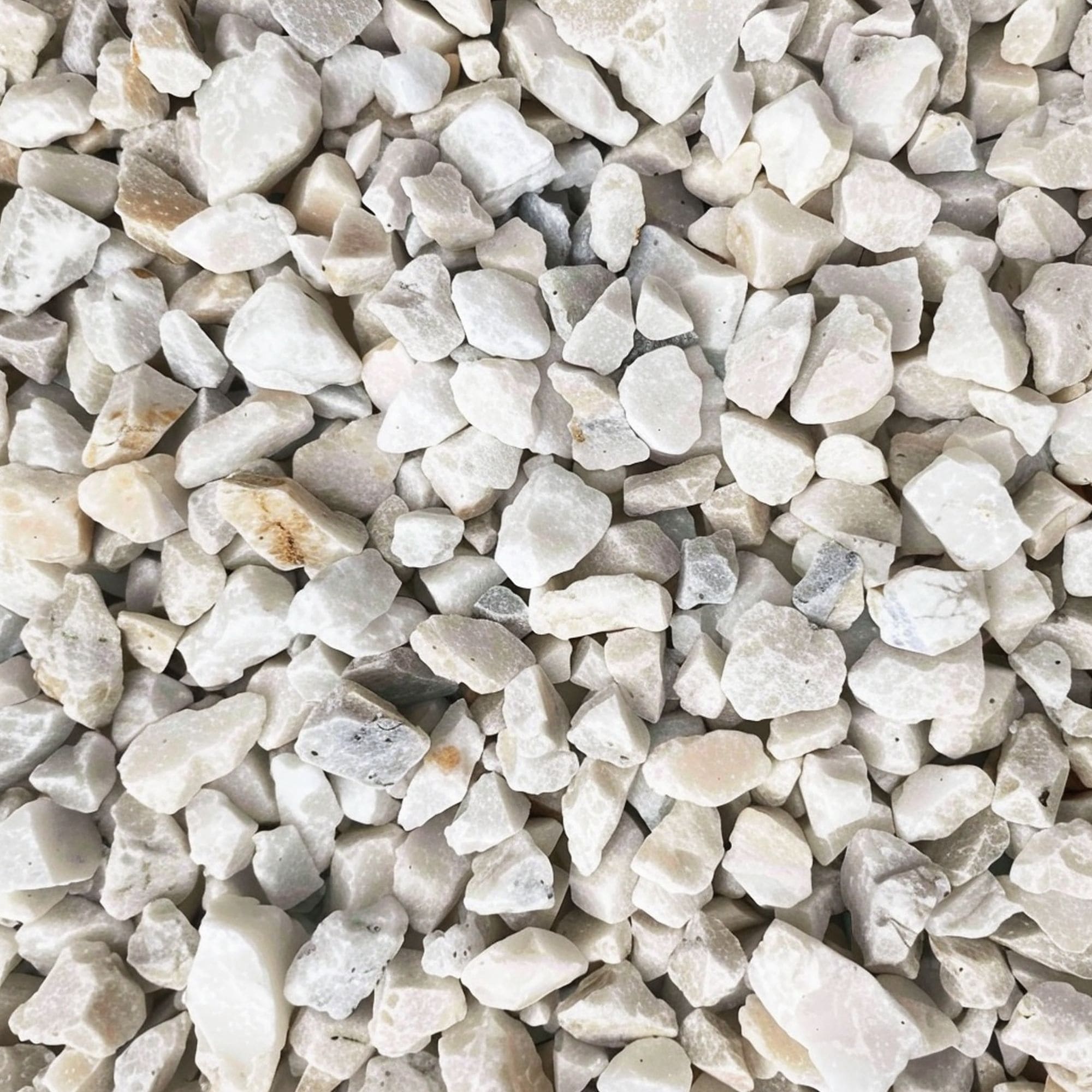
For a sparkling driveway appearance, marble chips could be an optimal choice. This is a more expensive type of gravel that’s intended for homeowners who want to add a luxurious touch to their driveways. Marble chips are also recommended for walkways if you can afford a complete makeover of the front yard.
This type of gravel provides smooth and small stones that shimmer in the sunlight. Hold them in place with reliable edging materials to ensure adequate tidiness. Most marble chips come in white and gray color combinations that bring a lot of visual interest. Although the cost could be too high for some people, it’s worth mentioning that marble chips are also more practical to use in hot areas because the light colors don’t absorb as much heat.
10. Decomposed Granite
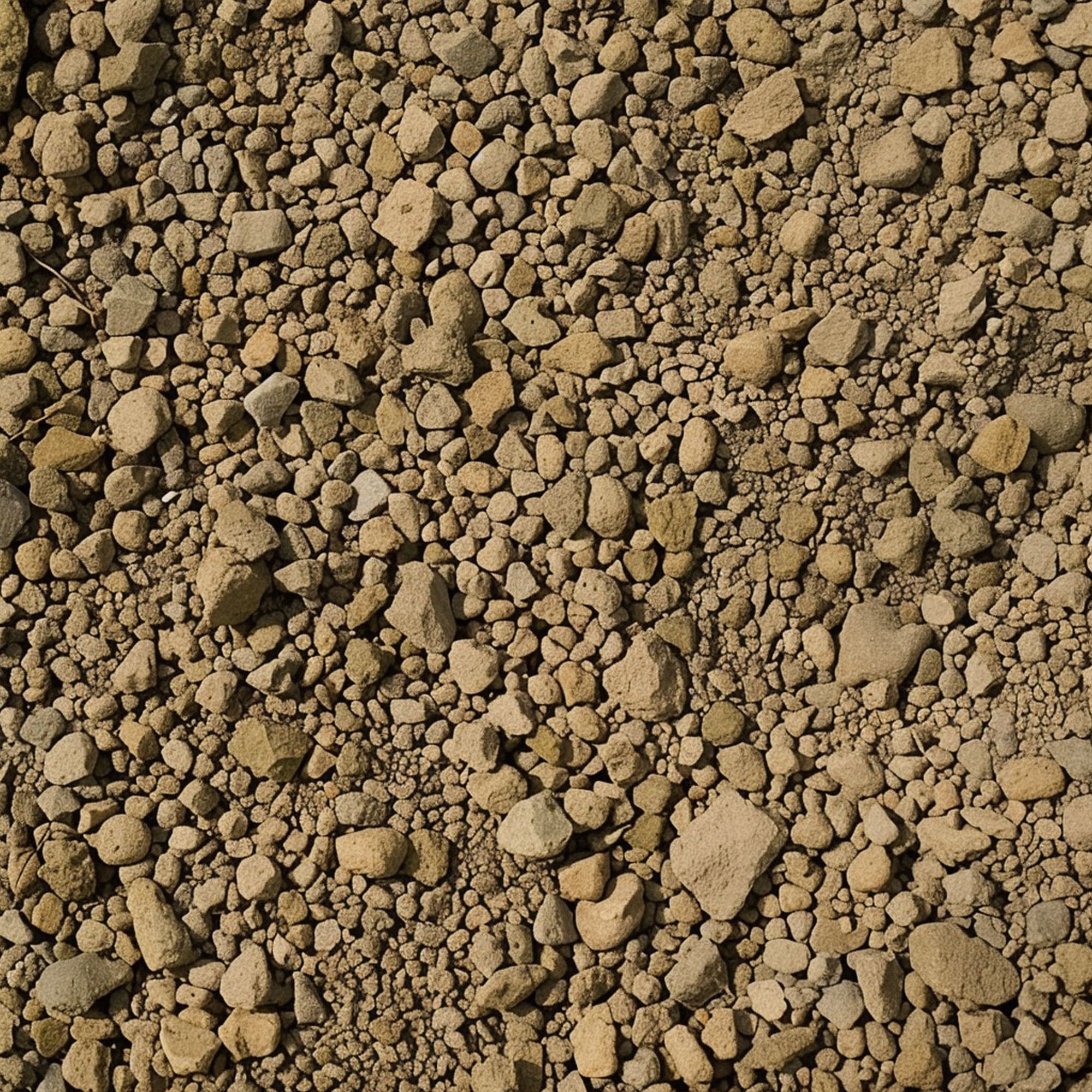
Granite that becomes weathered can get a nice texture for covering driveways. The fine style of decomposed granite represents a great solution, especially when considering the stylish color of this material. It incorporates varied rust and tan shades to create a unique look for the driveway. Decomposed granite gravel could be a good option considering the affordable cost per square foot.
In terms of durability, decomposed granite won’t disappoint. This type of gravel is often laid in multiple layers for enhancing its strength through a compacting process. It could be a good idea to include a stabilizer in the rocky mix to ensure that pieces hold together well. Some homeowners dislike this kind of granite gravel due to its stickiness that makes it easy to drag into the home.
Tips for Laying Gravel on Your Driveway
If you primarily use the driveway for decoration purposes, it’s safe to say that you won’t need to worry too much about the size of the gravel. Having cars sitting in the driveway can be a different situation. In that case, it’s recommended to get a type of gravel with larger stones. Find a good balance because gravel that’s too large can cause problems for the tires.
Unless the driveway is small enough to manage by yourself, larger areas will most likely require the professional services of a local landscape supplier. It could be tempting to purchase bags of gravel at the home improvement store but a bigger project will make it too inefficient in terms of costs.
When it comes to laying gravel on the driveway, it’s important to remember that you need to add three layers to make a stable surface that can be used as expected. Each layer is usually made up of a different type of gravel because they accomplish distinctive roles. The base layer represents the foundation while the second one improves stability. One of the most important layers of gravel is the top one because it needs to fill all the gaps and cracks. The last layer of gravel is often a mixture of smaller stones that should be held firmly in place with the help of edging to prevent the gravel from ending up in other areas of the yard.
Is Gravel the Right Solution for Your Driveway?
This is an important question to ask if you’re still not totally decided whether gravel fits the needs of your driveway. Gravel is cost-effective compared to other landscaping options so that’s pretty much one of the most attractive reasons to consider it. The material is also favored by homeowners concerned about water drainage issues.
Using gravel for the driveway can be a smart idea because this is a versatile material to work with. It can be conveniently shaped to suit any type of layout. A bit of edging it’s all that’s needed to keep a gravel driveway looking clean and stylish. The only notable drawback for gravel is the requirement for some considerable labor. It’s not complicated to install on the driveway but it’s quite labor-intensive as it requires digging and multiple wheelbarrow trips.

Leave a Reply