
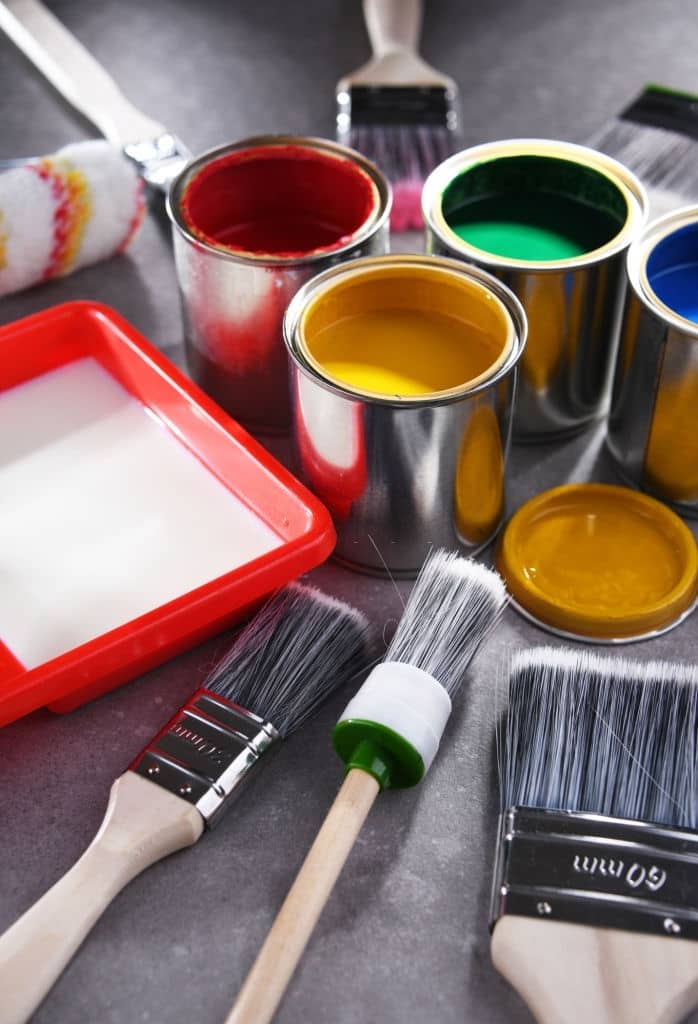
Oil-based paints are nowadays associated with older homes because this type of paint has experienced a decline in popularity compared to water-based paints. It’s not surprising to see why considering the various disadvantages of oil-based paints. They tend to be hard to remove while emitting a strong odor when dried. However, despite some environmental concerns and other potential drawbacks, oil-based paints haven’t been completely phased out.
Some areas can be painted more effectively with the help of oil-based paints. It depends on the needs of the projects but oil-based paints can often create smoother finishes compared to water-based alternatives. Cabinetry, trims, moldings, and other areas can be successfully treated with oil-based paints. The more difficult problem is when you already have a painted surface with oil-based paint and wish to renovate it. Here are the most important aspects to consider when painting over oil-based paint.
1. Using Oil-Based Paints
It’s generally recommended to use another oil-based paint for refreshing surfaces that have been previously treated with an oil-based paint. This is because you might experience certain issues when using water-based paints that fail to properly bond to the painted surface. If you don’t want to bother with a complicated approach and keep things simple, it’s easier to just use oil-based paints to coat the painted surface.
Either alkyd-based paint or one formulated with natural oils can work for this kind of project. The only aspect important to remember is whether the oil-based is fully cured to properly repaint the surface. This process can take several days, sometimes even a full month to ensure that the paint is hardened enough.
If you’re dealing with a natural oil-based coating that hasn’t yet cured, make sure you stick to the same type of oil-based paint when repainting. That means avoiding synthetic alkyd-based paints and using a product formulated with natural oils. The previous paint layer continues to harden and might cause cracking. The issue is avoided if you have an alkyd-based painted surface where there’s no worry of damage regardless of the type of oil-based paint used.
2. Using Water-Based Paints
Applying water-based paint over oil-based paint can produce bad results without sufficient preparation. The water-based paint won’t adhere properly to such a glossy surface making the repainting process more difficult. The solution is fairly straightforward – reduce the glossiness of the oil-based painted area. Fine-grit sanding represents an important step to follow before attempting a repaint using water-based paints.
After you manage to reduce the slick factor of the surface as much as possible, it’s time to clean the area thoroughly to begin the repainting. It’s recommended to use a trisodium phosphate (TSP) solution that’s ideal for washing off any dirt and grime from a painted area. Pay close attention to safety precautions when cleaning with TSP to avoid splatters on your skin or eye area. Rinse the cleaned surface with fresh water to complete the preparation for repainting.
A primer may not be necessary to apply for some projects but you shouldn’t skip it for this one. Bonding primers are essential to avoid any potential chipping or peeling issues when repainting oil-based paints with water-based ones. You need to maximize paint adherence as much as possible so it’s recommended to use a couple of coats of primer. It can be either water-based or oil-based. You can use one of these high-quality latex primers.
Once the surface has been adequately primed, it’s time to apply the water-based paint. Use your favorite application method to paint over the primed surface. Paint sprayers are more efficient and practical but classic options such as rollers or brushes work as well. We recommend two to three coats of water-based paint such as latex or acrylic paint. Follow the instructions of the product and make sure you respect the drying times to enjoy a smooth finish. Check out this acrylic paint from Amazon that’s very DIY-friendly.

Leave a Reply