
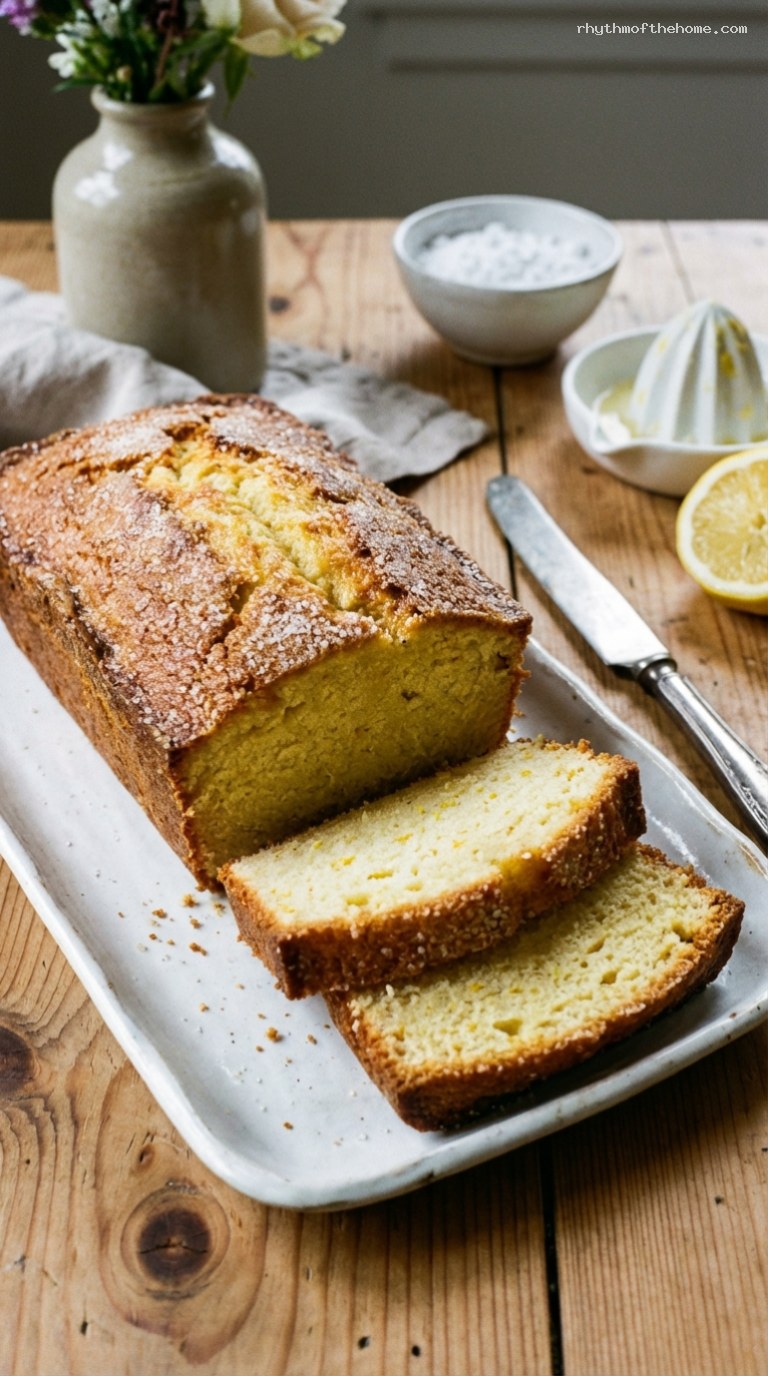
Quick Recipe Version (TL;DR)
Quick Ingredients
- Butter or oil for greasing pan, plus parchment paper
- 1 3/4 cups (220 g) all-purpose flour
- 2 tsp baking powder
- 1/2 tsp baking soda
- 3/4 tsp fine sea salt
- 1 1/2 cups (300 g) granulated sugar
- 3 large eggs, room temperature
- 1 1/2 cups (360 g) whole-milk ricotta, room temperature
- 1/2 cup (120 ml) extra-virgin olive oil
- 2 tbsp fresh lemon juice
- 1/4 cup (60 ml) whole milk
- Finely grated zest of 1 lemon and 1 orange
- 2 tsp pure vanilla extract
- 2 tbsp coarse sugar for topping (optional)
- Powdered sugar for dusting (optional)
Do This
- 1) Preheat oven to 350°F (175°C). Grease a 9×5-inch loaf pan, line with parchment, and lightly grease the parchment.
- 2) Whisk flour, baking powder, baking soda, and salt in a bowl; set aside.
- 3) In a large bowl, beat sugar, eggs, and citrus zests until pale and slightly thick, about 3 minutes.
- 4) Beat in ricotta until smooth, then mix in olive oil, lemon juice, milk, and vanilla.
- 5) Gently fold dry ingredients into wet just until no dry streaks remain. Scrape into pan, smooth top, and sprinkle with coarse sugar if using.
- 6) Bake 50 to 60 minutes, until golden and a tester comes out clean. Cool 15 minutes in pan, then cool completely on a rack. Dust with powdered sugar, slice, and serve.
Why You’ll Love This Recipe
- Moist, tender crumb from creamy ricotta and fruity olive oil, with none of the dryness pound cake can sometimes have.
- Delicate citrus aroma from lemon and orange zest for a bright, not-too-sweet loaf.
- Simple, one-bowl-friendly mixing method that is very forgiving for home bakers.
- Perfect any time of day: breakfast, afternoon coffee, or an understated dessert with berries and cream.
Grocery List
- Produce: 1 lemon, 1 orange (plus an extra lemon if you want more zest for garnish)
- Dairy: Whole-milk ricotta cheese, whole milk, large eggs, unsalted butter (for greasing pan, optional), heavy cream if serving with whipped cream (optional)
- Pantry: All-purpose flour, granulated sugar, powdered sugar (optional), extra-virgin olive oil, baking powder, baking soda, fine sea salt, pure vanilla extract, coarse sugar (turbinado or demerara) for topping (optional)
Full Ingredients
For the Rustic Ricotta–Olive Oil Pound Cake
- Butter or neutral oil, for greasing the pan
- 1 3/4 cups (220 g) all-purpose flour
- 2 tsp baking powder
- 1/2 tsp baking soda
- 3/4 tsp fine sea salt
- 1 1/2 cups (300 g) granulated sugar
- 3 large eggs, at room temperature
- Finely grated zest of 1 medium lemon
- Finely grated zest of 1 small orange
- 1 1/2 cups (360 g) whole-milk ricotta cheese, at room temperature
- 1/2 cup (120 ml) extra-virgin olive oil (choose a mild, fruity one)
- 2 tbsp freshly squeezed lemon juice
- 1/4 cup (60 ml) whole milk, at room temperature
- 2 tsp pure vanilla extract
- 2 tbsp coarse sugar (turbinado or demerara), for sprinkling on top (optional but lovely)
Optional Citrus Syrup (for extra moisture and shine)
- 1/4 cup (50 g) granulated sugar
- 3 tbsp freshly squeezed orange juice
- 1 tbsp freshly squeezed lemon juice
For Serving (Optional)
- Powdered sugar, for dusting
- Extra citrus zest curls or finely grated zest
- Lightly sweetened whipped cream or plain Greek yogurt
- Fresh berries or sliced stone fruit in season
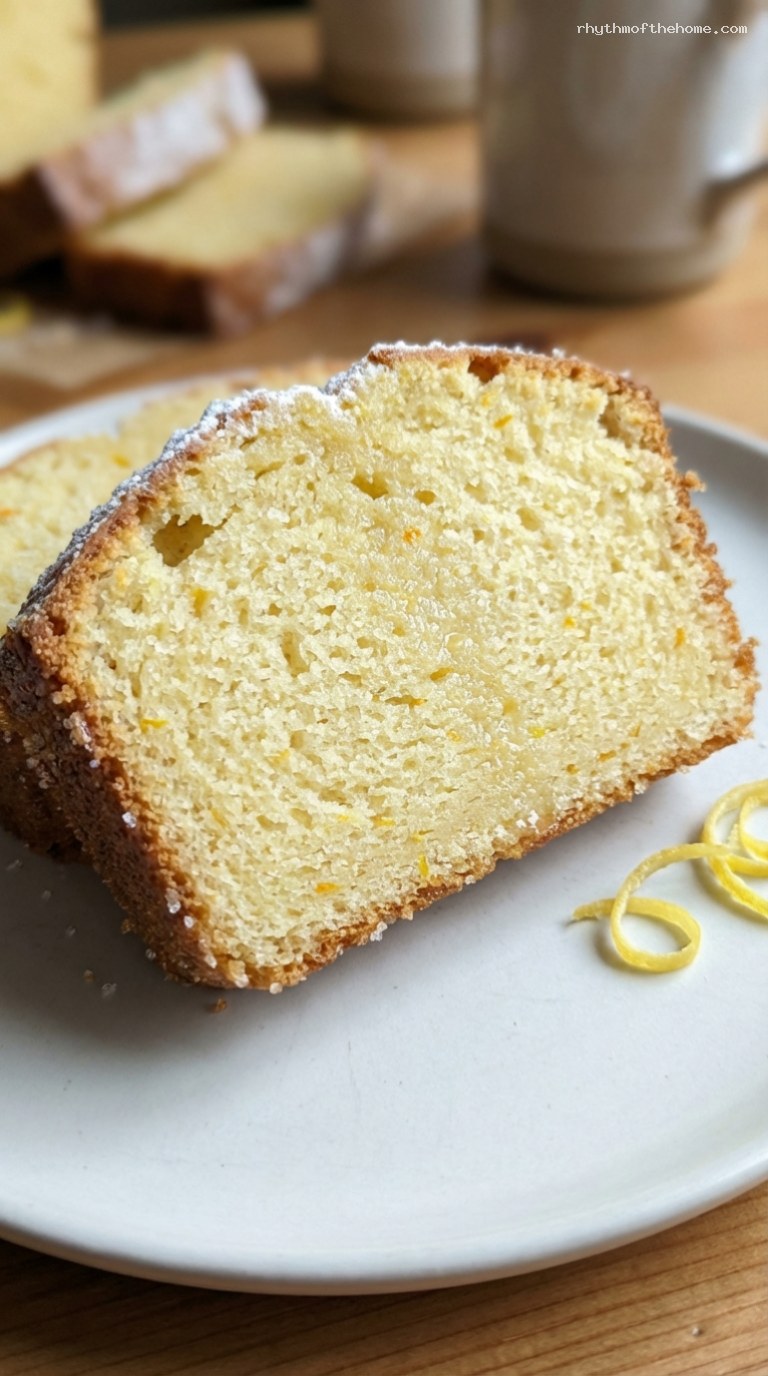
Step-by-Step Instructions
Step 1: Prepare your pan and preheat the oven
Set a rack in the center of your oven and preheat to 350°F (175°C). Lightly grease a 9×5-inch loaf pan with butter or oil. Line the bottom and two long sides with a strip of parchment paper, leaving an overhang for easy removal, then lightly grease the parchment as well. This helps prevent sticking and gives you a clean release and neat slices.
Step 2: Mix the dry ingredients
In a medium bowl, whisk together the all-purpose flour, baking powder, baking soda, and fine sea salt until well combined and lump free. This step evenly distributes the leavening and salt so they do their job properly in the oven and keeps you from overmixing once the wet and dry ingredients meet.
Step 3: Beat eggs, sugar, and citrus zest
In a large mixing bowl, add the granulated sugar, eggs, lemon zest, and orange zest. Using a hand mixer on medium-high speed (or a stand mixer fitted with the whisk attachment), beat for 2 to 3 minutes. The mixture should become slightly thickened, lightened in color, and a bit fluffy. Beating well here incorporates air and gives the pound cake a lighter, tender texture while the citrus zest infuses the sugar with fragrant oils.
Step 4: Add ricotta, olive oil, and flavorings
Add the ricotta to the egg mixture and beat on medium speed until smooth and creamy, about 1 minute. Scrape down the sides of the bowl as needed so there are no lumps. With the mixer on low, slowly stream in the olive oil, then mix in the lemon juice, milk, and vanilla extract just until fully combined. The batter will look silky and thick. Do not worry if you see a few tiny bits of ricotta; they will melt into the crumb as it bakes.
Step 5: Fold in the dry ingredients
Switch to a rubber spatula. Sprinkle about half of the flour mixture over the wet ingredients and gently fold just until incorporated. Add the remaining flour and fold again, scraping the bottom and sides of the bowl, until no dry pockets remain. Work slowly and stop as soon as the batter is uniform. Overmixing at this stage can make the cake tough instead of tender.
Scrape the batter into the prepared loaf pan and smooth the top with a spatula. If you like a crackly, rustic top, sprinkle the surface evenly with the coarse sugar.
Step 6: Bake the cake
Place the pan on the center rack and bake for 50 to 60 minutes. Ovens vary, so begin checking at 50 minutes. The cake is done when it is deeply golden, the top springs back lightly when touched, and a toothpick or thin skewer inserted in the center comes out clean or with a few moist crumbs, but no wet batter.
If the top is browning too quickly before the center is done, tent the loaf loosely with a piece of foil for the last 10 to 15 minutes of baking.
Step 7: Brush with citrus syrup (optional) and cool
While the cake bakes, if you are using the syrup, combine the sugar, orange juice, and lemon juice in a small saucepan. Bring to a gentle simmer over low heat, stirring until the sugar dissolves. Remove from heat and let cool slightly.
When the cake is done, place the pan on a wire rack and let it cool for 10 to 15 minutes. If using syrup, poke the top of the warm cake all over with a toothpick or skewer, then slowly brush or spoon the warm syrup over the surface, allowing it to soak in. Run a knife around the short edges of the pan, then use the parchment sling to lift the cake out. Let cool completely on the rack before slicing. Cooling fully sets the crumb so your slices are neat and moist, not crumbly.
Step 8: Finish, slice, and serve
Once completely cool, dust the top lightly with powdered sugar if you like, and add a few curls of fresh citrus zest for a pretty, rustic finish. Slice with a sharp serrated knife into 10 generous pieces. Serve plain, or with a spoonful of berries and a dollop of whipped cream or Greek yogurt. The subtle tang from the ricotta and lemon, the fruity olive oil, and the soft, fine crumb make this loaf just as at home with morning coffee as it is as an understated dessert.
Pro Tips
- Use room-temperature ingredients. Ricotta, eggs, and milk at room temperature blend more smoothly, giving you a uniform, tender crumb.
- Choose a mild olive oil. A fruity, gentle extra-virgin olive oil works best. Very peppery oils can overpower the delicate citrus notes.
- Do not overmix once the flour is added. Fold just until combined to avoid developing too much gluten, which can make the cake dense and tough.
- Check your oven temperature. An inexpensive oven thermometer helps ensure you are really at 350°F; under or over temperature can dramatically change bake time and texture.
- Let it cool completely before slicing. This loaf sets as it cools. Cutting too early can make it seem underbaked and cause it to crumble.
Variations
- Almond–citrus twist: Replace 1/2 cup (65 g) of the flour with finely ground blanched almonds, and add 1/2 tsp almond extract along with the vanilla.
- Berry-studded loaf: Gently fold 1 cup fresh blueberries or raspberries (tossed in 1 tbsp flour) into the finished batter before baking. Bake time may increase by 5 to 10 minutes.
- Herb-scented version: Finely chop 1 to 2 tsp fresh rosemary or thyme and add it with the citrus zest for a more savory, aromatic cake that pairs beautifully with cheese boards.
Storage & Make-Ahead
Once completely cool, wrap the loaf tightly in plastic wrap or foil, or place it in an airtight container. It keeps well at room temperature for 2 to 3 days. For longer storage, refrigerate for up to 5 days; bring slices back to room temperature before serving for the best texture and flavor. The cake also freezes well: wrap the whole loaf or individual slices in plastic wrap, then in foil, and freeze for up to 2 months. Thaw overnight in the refrigerator or at room temperature for a few hours. This pound cake is an excellent make-ahead dessert, as the flavors deepen and the crumb becomes even more moist by the next day.
Nutrition (per serving)
Approximate values per slice (1 of 10): about 380 calories; 20 g fat; 7 g saturated fat; 45 g carbohydrates; 1 g fiber; 26 g sugars; 7 g protein; 210 mg sodium. These numbers will vary slightly depending on the specific brands of ricotta, olive oil, and other ingredients used, and whether you include the syrup and any toppings.

Leave a Reply