
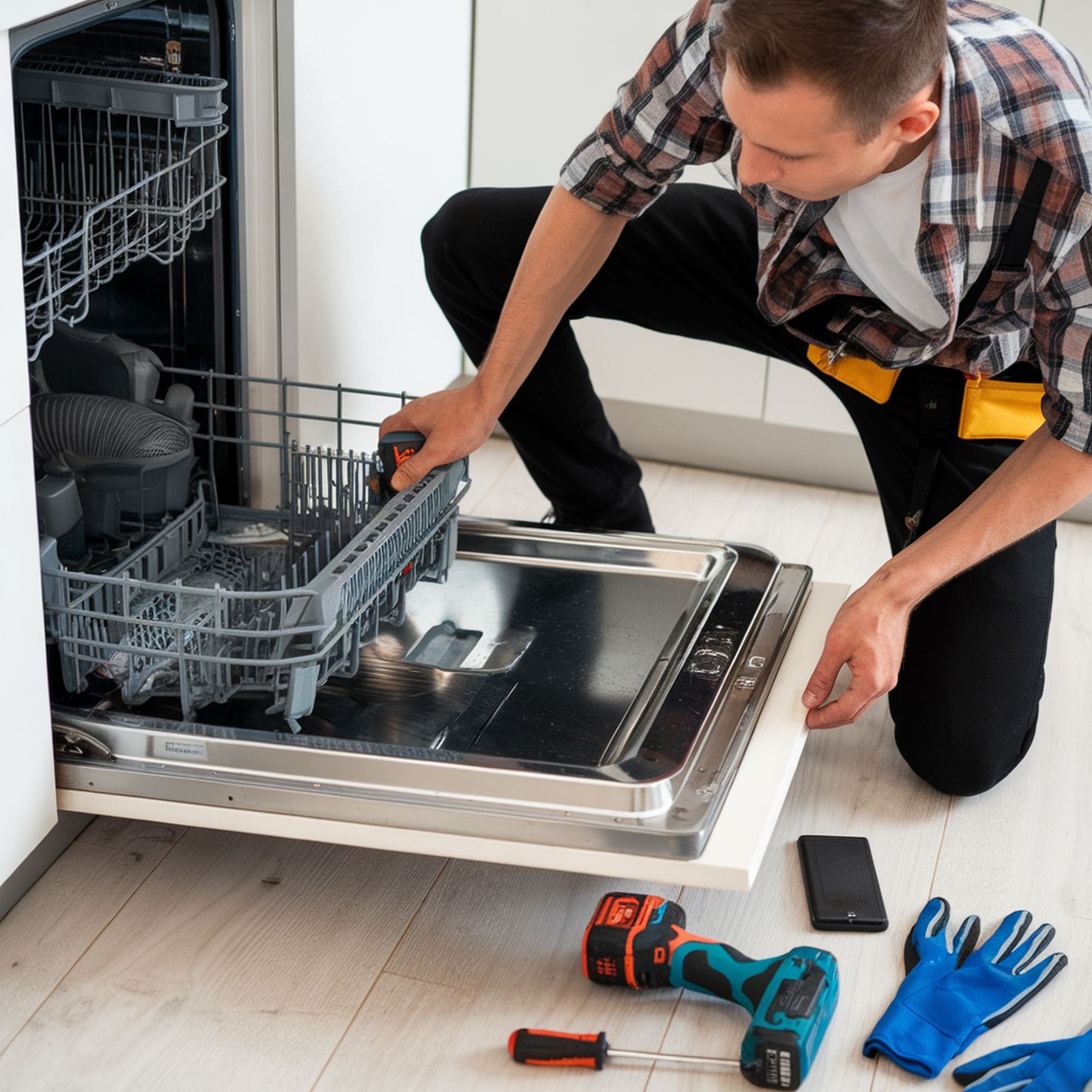
There are many reasons why your dishwasher has draining issues. It’s certainly an unpleasant situation to discover a puddle of standing water when expecting clean pans and plates. Although it looks alarming, the dishwasher failing to drain correctly isn’t necessarily a plumbing emergency. In many cases, you should be able to deal with this issue without the need for professional assistance.
In this article, we’ll take a look at some troubleshooting tips to discover some helpful solutions to make your dishwasher unit functional again. Keep in mind that serious draining issues will still require the services of a plumber. Any DIY work you’re attempting needs to be done carefully to ensure the best level of safety. That usually means to turn off the dishwasher and unplug the appliance. Isolating the water supply is also required.
1. Clean the Filters
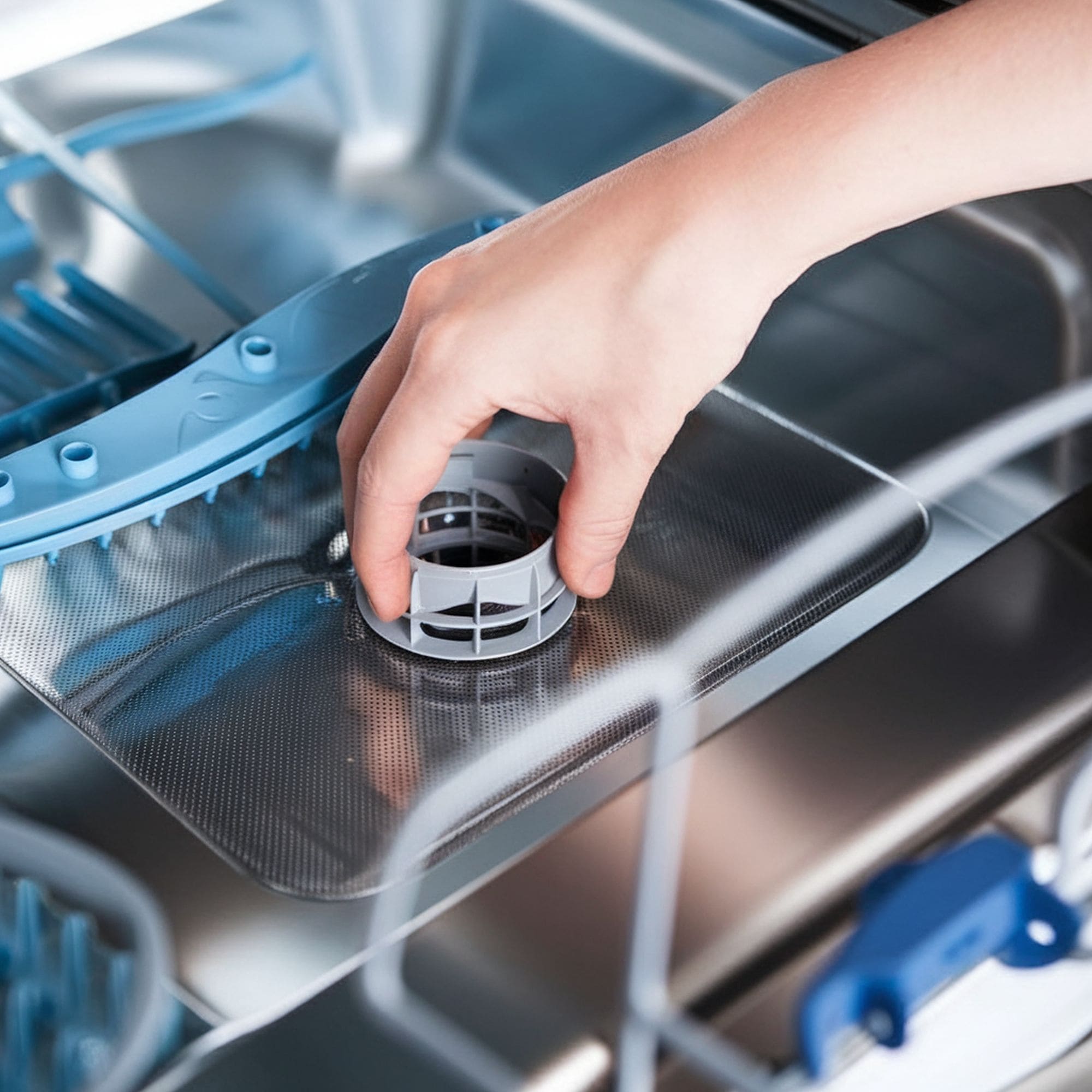
A dirty filter is often the cause of dishwasher draining problems. This is a fairly simple method to try before looking into more complicated solutions. Look at the bottom of the dishwasher where the filters are typically installed. They’re easy to remove and clean. This task needs to be done regularly for the correct functionality of the appliance. Sometimes, it may be even necessary to replace the filters completely.
If you’re not sure about the exact location of the filters on your particular dishwasher, it’s recommended to check the operating manual or the original instructions of the unit. The clogged filter has to be cleaned under the tap and then correctly repositioned back in its original place. This little accessory has an important role to prevent any larger food residues from creating draining problems.
2. Run the Garbage Disposal
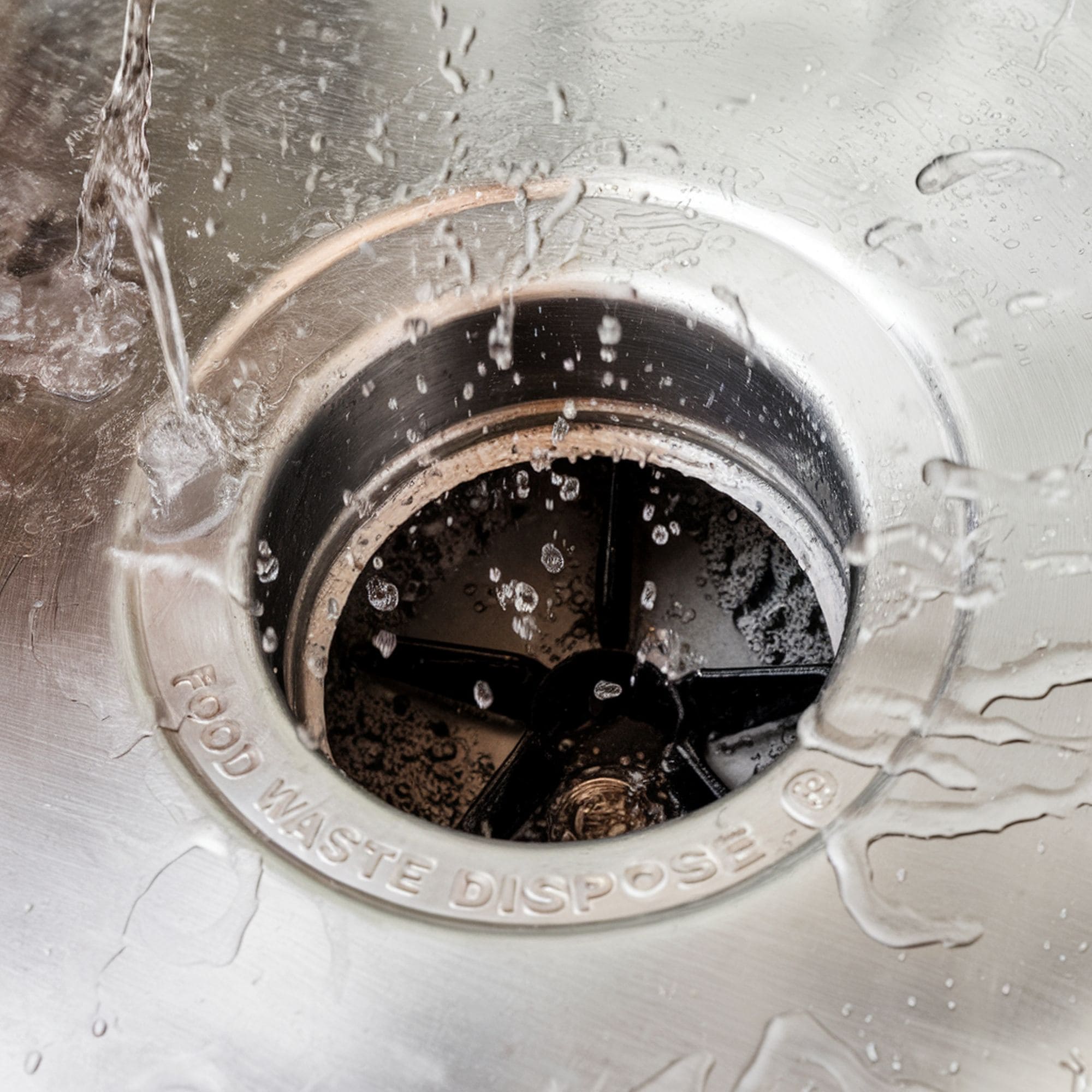
Due to the fact that for many dishwasher units the drain hose is connected to the drain of the garbage disposal, it’s worth trying out this simple method. Fixing a clogged dishwasher can often be just a matter of running the garbage disposal to eliminate potentially settled food sludge. You can be surprised how just this simple trick works so well to clear all remaining food from the drain.
3. Look for Drain Hose Problems
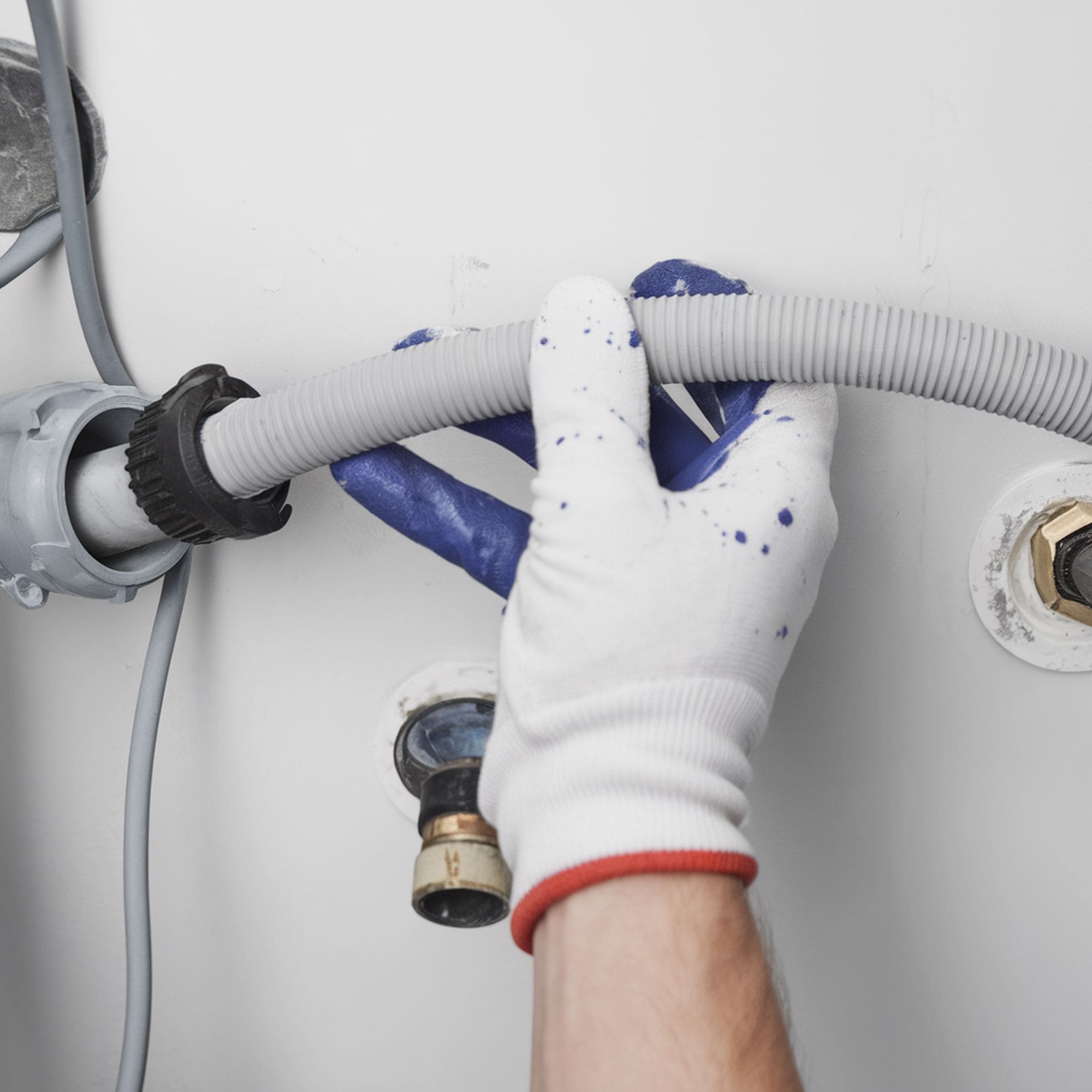
A simple kink in the drain hose could be enough to create frustrating dishwasher draining issues. This is why it’s recommended to check the drain hose of the dishwasher carefully to see whether there’s anything wrong with it. Inspect it for clogs but also make sure the seal is tight. The drain hose is an essential part of any dishwasher so it’s critical to ensure it works as expected.
A blocked drain hose will be usually filled with accumulated food debris. In some cases, it’s necessary to try some unclogging methods and to fully remove it from the dishwasher. If the drain hose seems fine, then perhaps the issue comes from the sink drain. You might as well check it for clogs to rule out this possibility.
When kinks or clogs seem to happen too frequently, it’s probably time to replace the drain hose of the dishwasher completely. This can be done by a plumber but you can also tackle the job yourself if you’re up for some DIY work. Finding the best replacement hose involves checking the manual of your dishwasher. This is also where you can find instructions to get through this project.
4. Check for Any Detergent Mishap
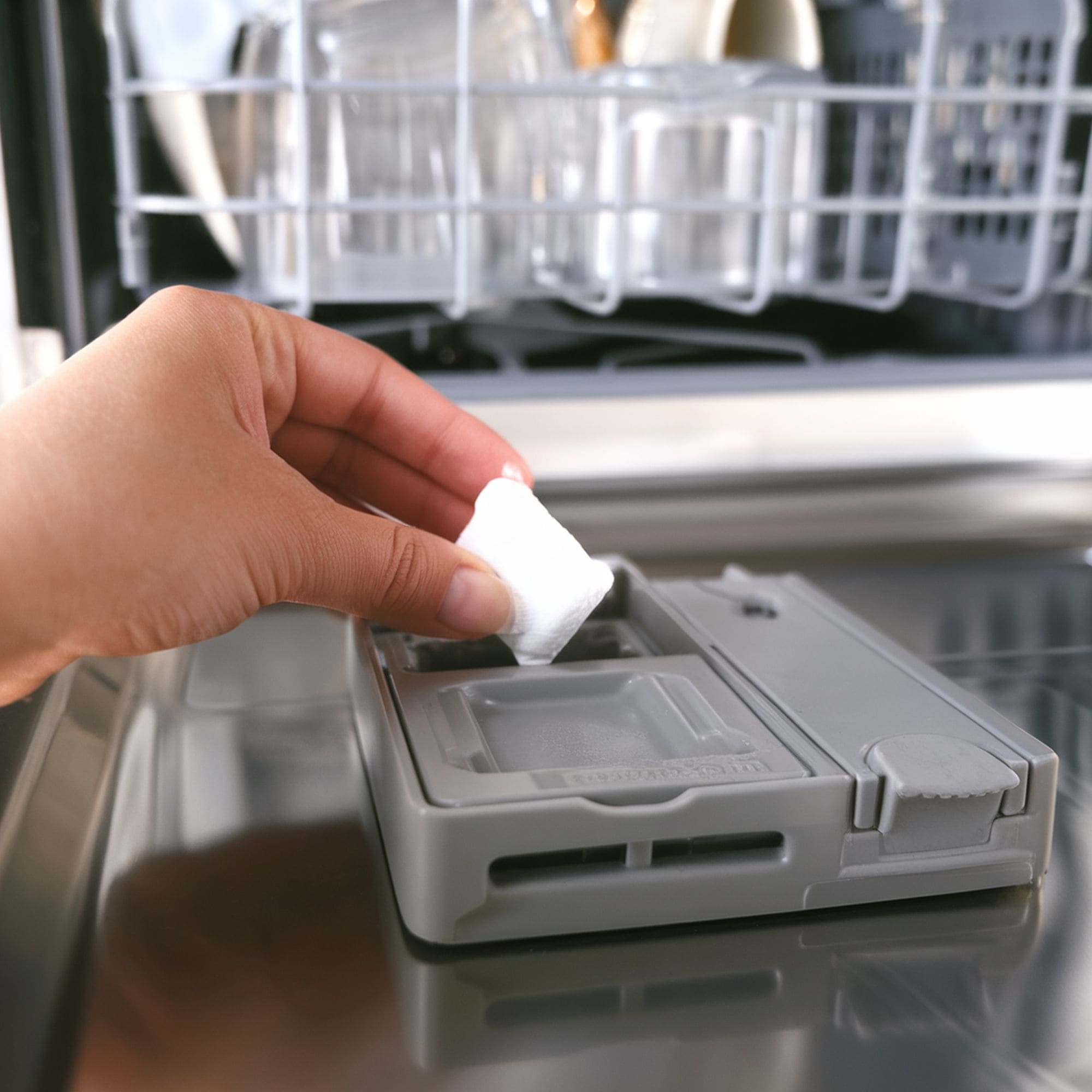
Dishwashers work with special types of detergents created for them. If you use regular dishwashing liquid by accident, this can cause draining issues. This is due to the produced suds that aren’t a problem when it comes to dishwasher detergents. Some homeowners might improvise and add laundry detergent when running out of the special product designed for the dishwasher. This is a bad idea as it can affect draining performance so it’s best to run a new cycle with the suitable type of detergent.
5. Figure Out if the Drain Pump is Damaged
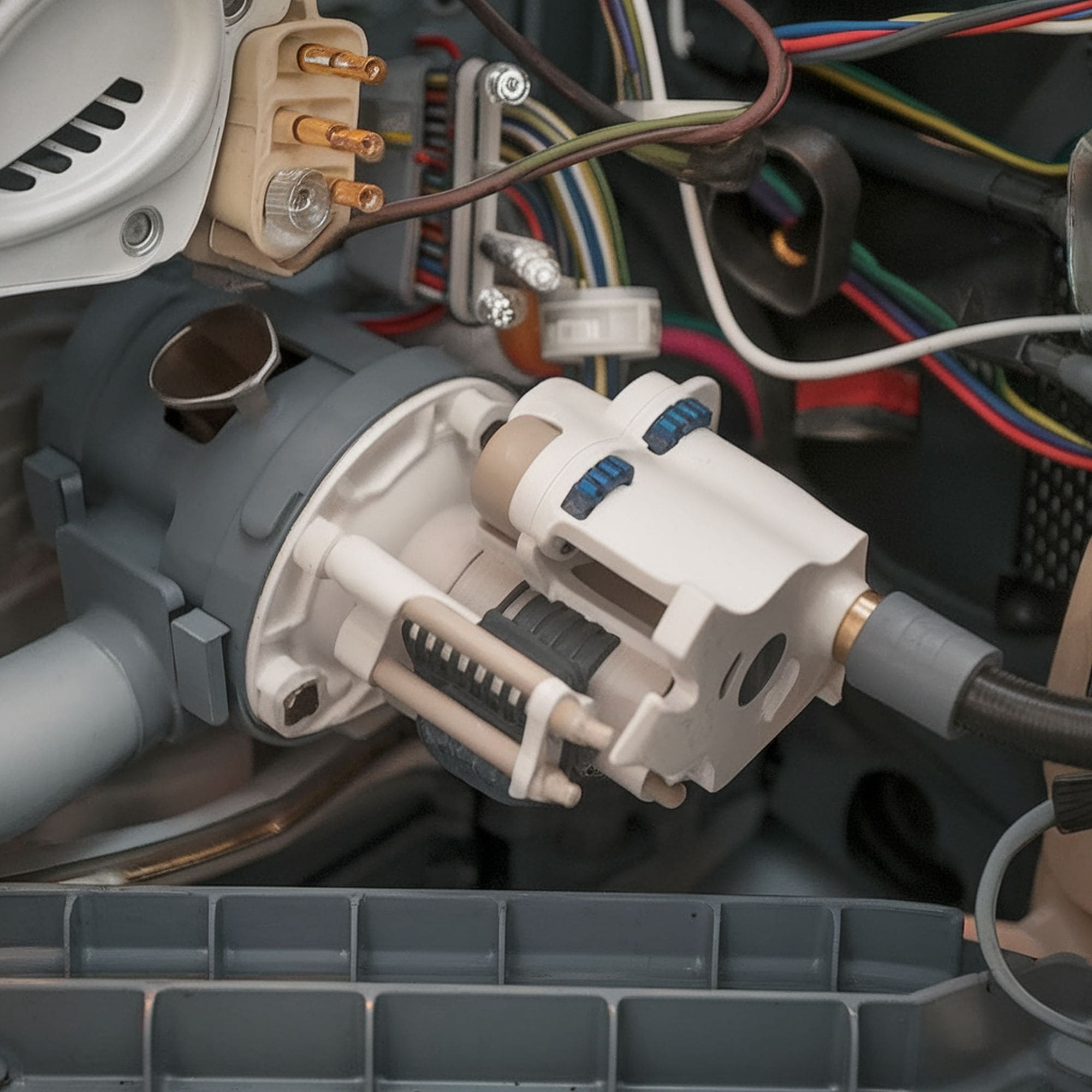
There are some signs you should check for to see whether the draining issue comes from a damaged pump. The first thing you can try is to listen to the dishwasher running and notice strange operating sounds. If you hear unusual humming or clicking noises, it’s safe to say that your drain pump could be in need of replacing. It’s not easy to diagnose the issue in this way because other parts of the machine could be faulty as well.
How can the drain pump get damaged? During normal dishwasher cycles, the risk of damage to the pump is of no special concern but things can change in some cases. If a foreign object like broken glass accidentally ends up in the drain pump, it can cause significant damage that’s usually heard during the machine’s operation. Built-up grease or food particles can also affect the pump negatively if they somehow slip into it. To make a full inspection of the state of your dishwasher’s drain pump, it’s not enough to listen for any strange sounds.
Gaining access to the bottom of the appliance is required to fully assess the damage to the pump. This is not an easy task to accomplish by yourself because it involves the removal of the base plate and obtaining resistance readings. It’s possible to void the warranty so it’s best to get a plumbing technician to assist in making the necessary repair work.

Leave a Reply