
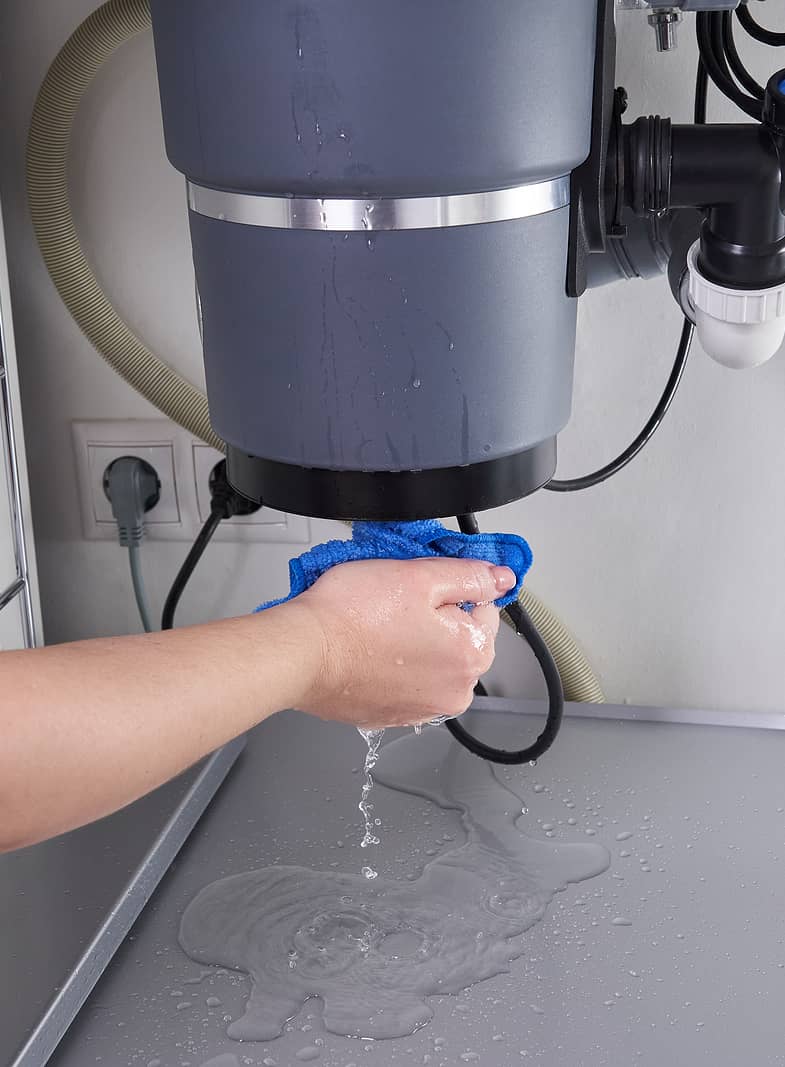
Garbage disposals are indispensable components of most modern kitchens. When you have a leaking issue, things can become more than a little frustrating. This unpleasant situation can cause serious water damage aside from making your kitchen quite messy. Your best bet is to discover the source of the leak and figure out the most suitable method to fix it. Repairing a garbage disposal unit can be quite complicated but the following guide is here to help you. We’ll also give you some tips to prevent garbage disposal leakages in the future.
1. Find the Source of the Leak
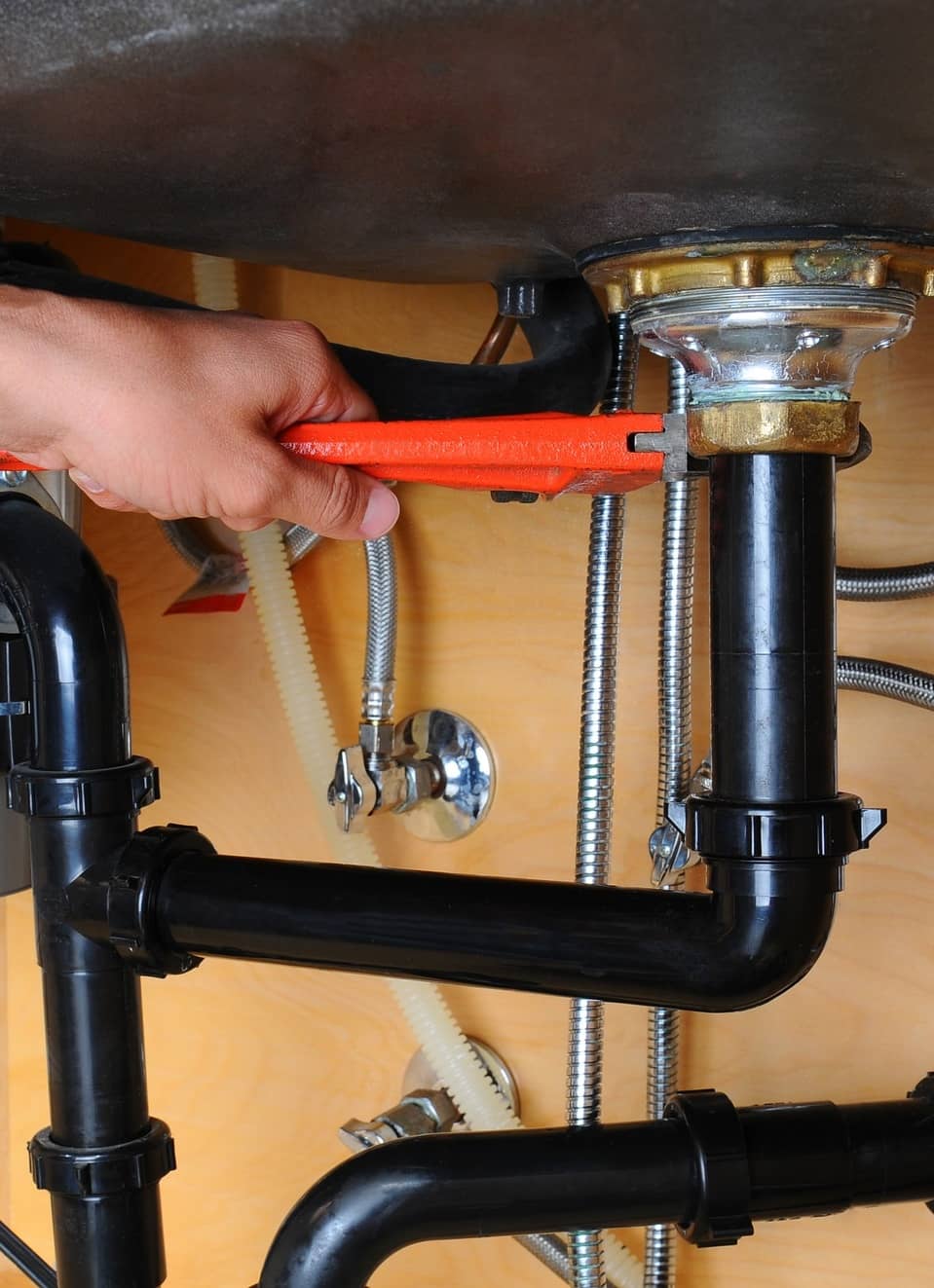
Disconnect the garbage disposal from electric power to start searching for the source of the leak. You will need to analyze the unit and its surroundings closely so it’s important to prevent any electrical shock. Use a sink stopper in the drain and remove any moisture from the garbage disposal by wiping it.
Preparing the area to find the leak also involves the removal of anything that’s stored under the sink because you need to have plenty of space to work. Fill the sink with water and a few drops of food coloring that will help you detect the leakage. Check all the surrounding spots to figure out the precise spot where the leak happens. Depending on the location of the escaping colored water, you will have to repair either a gasket, flange, or bottom leak.
2. How to Fix a Gasket Leak
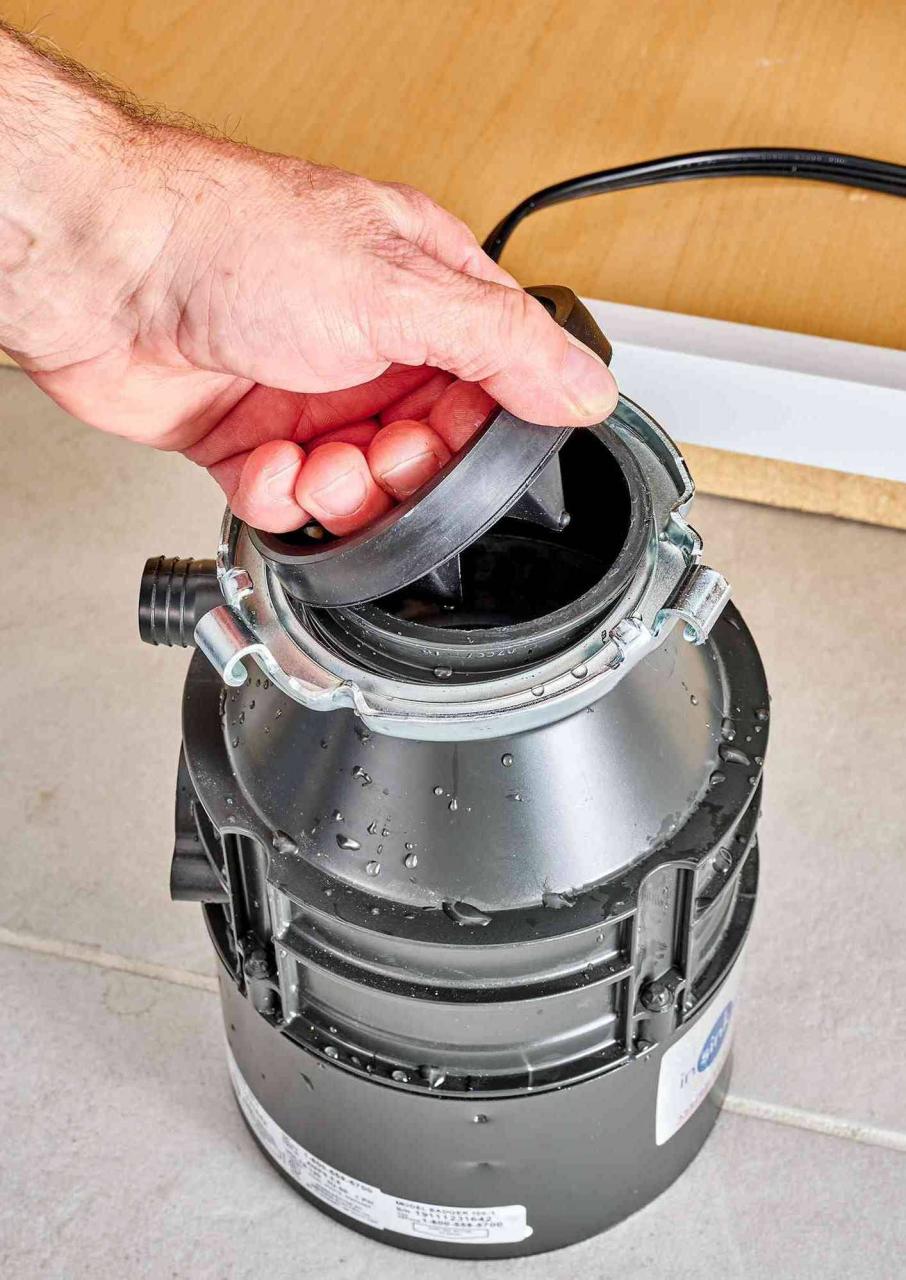
A worn rubber gasket can commonly cause garbage disposal leaks. This piece is mounted to the flange to create a seal. It can become dry after a long time of not using the drain which makes it susceptible to leaking. If you’ve taken out the garbage disposal for a different reason and then installed it back in, it’s safe to say that you need to mount a new rubber gasket for a reliable seal.
If you’re dealing with a gasket leak, the best method for fixing it involves the complete replacement of the gasket. The drain needs to be disconnected. You will also have to remove the drain hose from the dishwasher if present. Using the correct wrench, the entire garbage disposal unit needs to be removed from its place. Find the old gasket and replace it with a new one while taking care to install it properly flat for a correct seal. Here’s a great gasket replacement if you use a InSinkErator garbage disposal.
3. How to Repair a Flange Leak
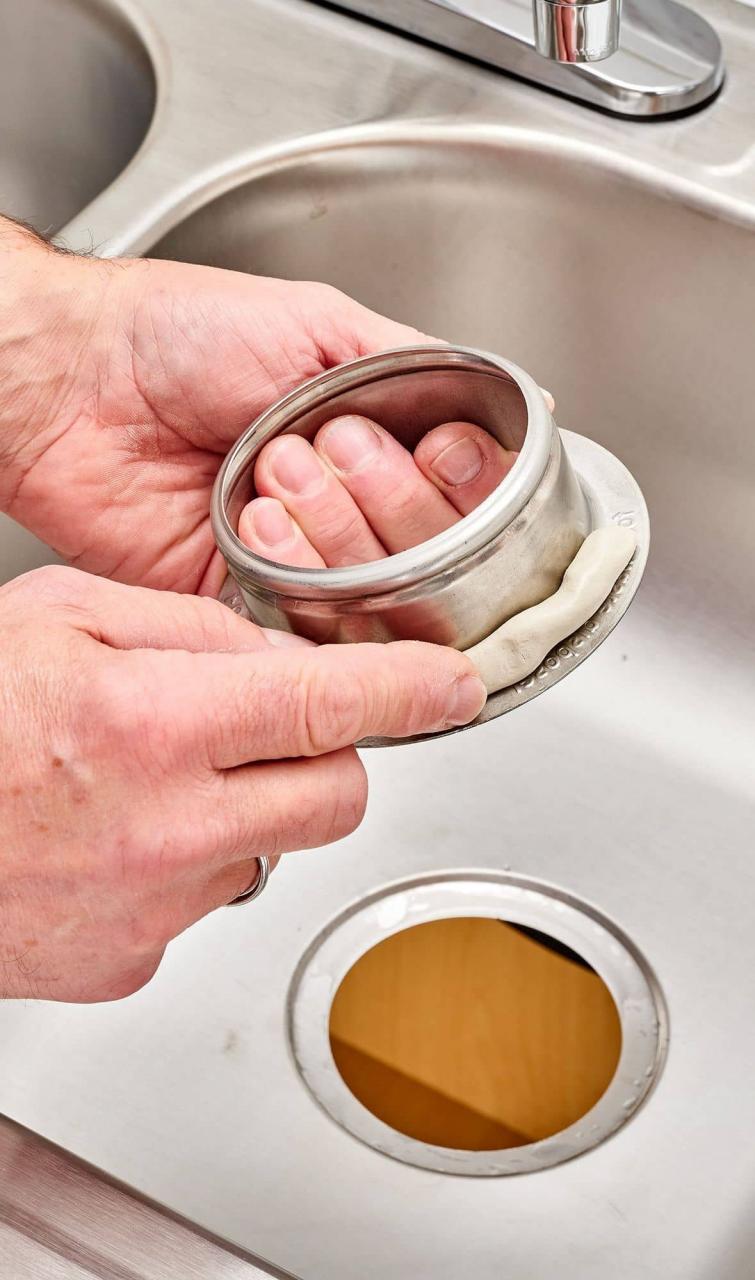
The disposal flange might be responsible for other situations when the garbage disposal is leaking. It’s usually the case when you’re detecting the leak at the upper area of the unit because the flange goes through the sink. This part should be normally attached tightly under the sink but it can become loose and cause leaks. Repairing involves the resealing of the flange after the removal of the garbage disposal.
The process for fixing a flange leak is very similar to repairing a gasket leak. You will need to remember to disconnect the drain hoses and carefully unmount the garbage disposal to reseal the flange. This piece is connected with bolts that have to be loosened and a clip that needs to be popped before removing it. Once you get the flange out, you will need to apply plumber’s putty to reseal the piece back in its original position. Make sure it’s perfectly tightened with the screws to prevent future leaks. Consider this professional-grade plumber’s putty on Amazon.
4. What to do About Bottom Leaks
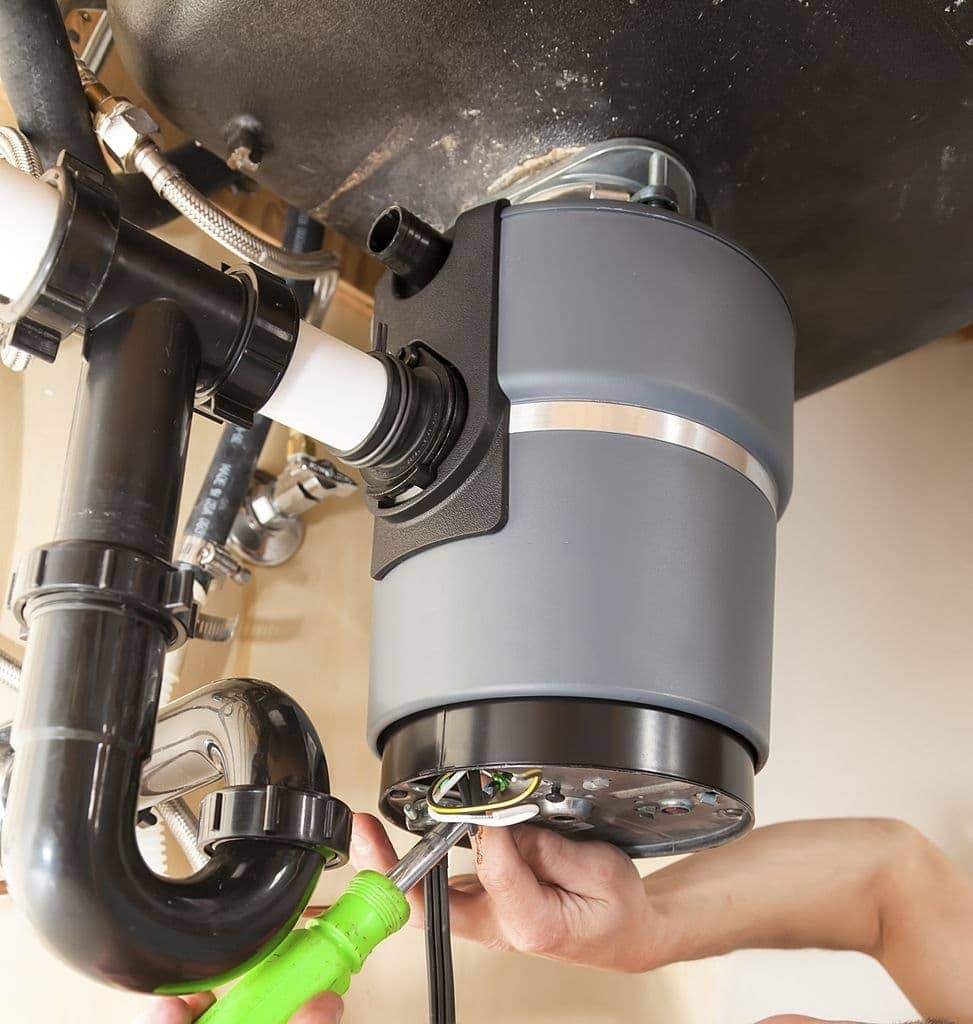
Bottom leaks are usually the most severe because they indicate a serious internal problem of the garbage disposal. A full replacement is typically the best solution, especially if your garbage disposal is quite old. The interior shell of the disposal is most likely in an advanced state of deterioration and vulnerabilities can add up and compromise the correct functionality of the unit. Replacing the garbage disposal with a new one isn’t the most DIY-friendly job out there so most homeowners should leave the work to a professional.
5. Prevent Future Garbage Disposal Leaks
Any kind of repair done to the garbage disposal requires proper testing to see that the leak is fixed and no new ones have appeared. If you’re satisfied with your work and no longer experience leaking, it’s time to apply some good practices to prevent garbage disposal leaks in the future. Using your garbage disposal correctly can save a lot of time and hassle on costly repairs.
The kind of items ground in the disposal matters a lot for the health of the unit. Always remember to avoid grinding hard foods such as bones and only stick to processing soft foods. Those hard pieces of food can damage the garbage disposal and weaken its seals over time. Pay extra attention to the disposal of solid fats because they can be harmful to the flange. Prevent these fats from congealing into gunk by rinsing off any remains using cold water after their disposal.

Leave a Reply