
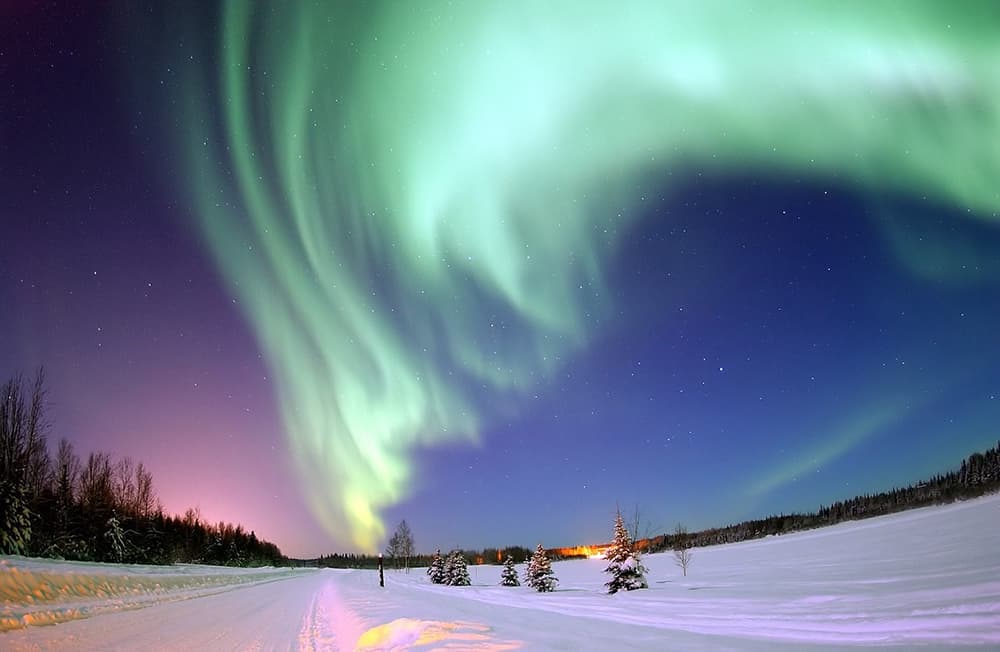
Everyone knows what a solstice is — right? Because the earth wobbles up and down as it rotates, the sun’s best light also shifts continually from north to south and back again through the year. When the sun is at its highest point in the north, the days become longer and the nights really short. In someplace really far north, tailing never turns to night.
The summer solstice is the longest day of the year and usually it usually falls somewhere in between June 20 and June 22.
The special significance of this day has been celebrated for millennia — it is the beginning of summer when all things start growing again, and the earth is renewed and regains the powers it lost in winter. It’s inevitably also associated with fertility, love, health, healing and romance.
Everything is magical, and in many traditions, supernatural beings such as fairies, elves and witches, also feel emboldened to stir out. From the ancient Incas and the Nords of Europe to the Chinese on the other side of the planet, the summer solstice is celebrated in diverse ways.
Here are just 15 of them.
1. Stonehenge (Wiltshire Downs, England)
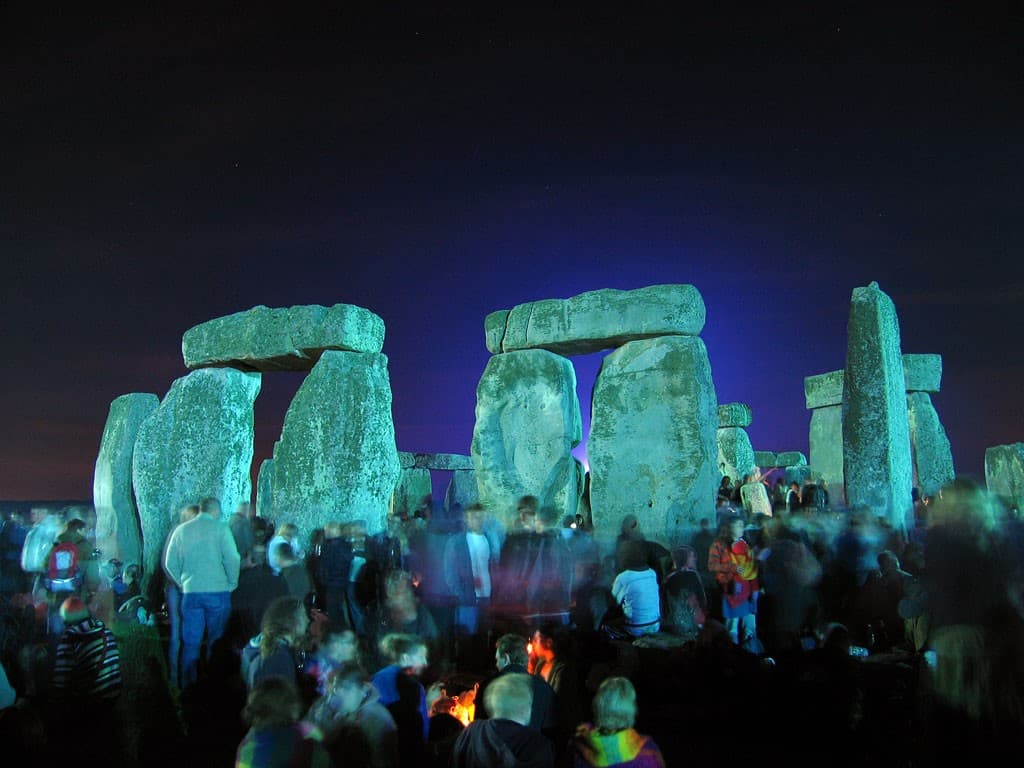
By the eve of the summer solstice, hundreds of modern Druids reach the ancient stone circle of Stonehenge in the Wiltshire Downs, England. Like the ancient Druids after whom they have modeled themselves, they believe in harmony, connection and reverence for the natural world. They want to heal the planet, align themselves with the magical forces of the earth and believe that Stonehenge is everything converges on June 22. They will sing and chant the evening before, welcome the solstice sunrise, and pass the day in meditation, dance, and reconnecting to the earth.
Of course, even they know they are not the descendants of the ancient Druids, who lived in the Iron Age, 1200 years before Christ. No one minds as long as they focus on healing the planet.
2. Ivan Kupala Night (Russia, Ukraine and others)
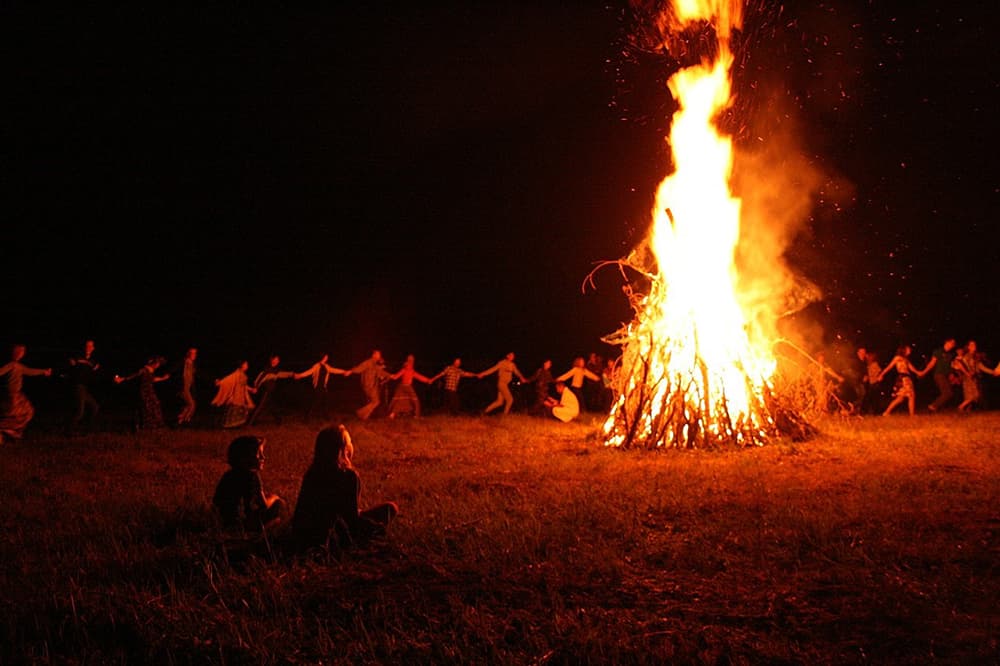
Before Ivan Kupala Night is through, they’ll have jumped over bonfires to test their faith, had their fortunes told, made floral wreaths and set on fire a wheel of firewood symbolizing the sun. No one sleeps because the night is supposed to be alive with spirits, werewolves, witches and snakes. And that’s how eastern Slavic cultures mark Summer Solstice, the shortest night. To welcome the morning, everyone washes their faces with dew.
Various rituals are traditionally performed on Kupala Night, including making flower wreaths, fortune-telling, jumping over bonfires, and burning a wheel-like effigy symbolizing the sun.
Kupala means bathing, and Ivan was the Slavic name of John the Baptist. For some reason, it is celebrated on July 7 through Belarus, Russia and Ukraine, though nearby Poland, the Czech Republic and Slovakia mark the day on June 21-22 or 23-24. Some say it marks the day people were baptized, but since the festival existed long before Christianity, who knows?
3. Klidonas (Greece)
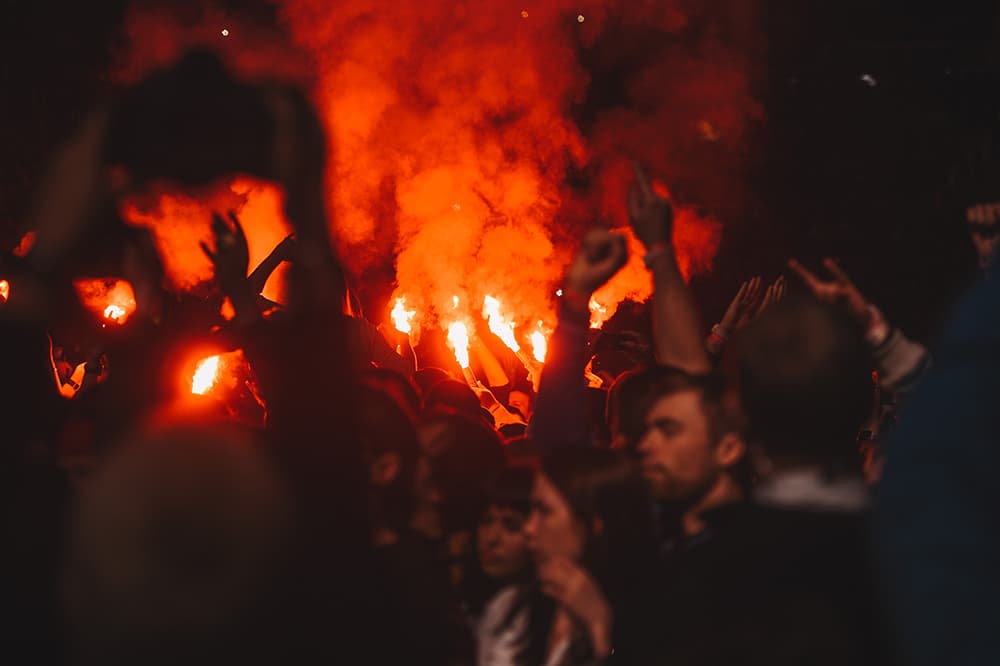
One of the quaintest of summer solstice festivals is probably Klidonas, celebrated all over Greece on June 24. Bonfires are lit everywhere, with locals lads and lasses jumping over the flames to show how brave they are.
But the most romantic of all the solstice events is probably the ritual of the silent water, which starts the previous evening. The unmarried maidens of the village will fill a clean pitcher with water from the fountain and carry it — in silence — to the village square. Each girl will place her rizikari —a personal luck charm — in it. The pitcher, wrapped in red cloth, will stand in starlight all night while the girls dream about the handsome fellow they will marry.
The next evening, around a bonfire, as girls draw rizikaris at random, musicians and poets will predict the future of the charm’s owner, and who knows, perhaps even who her Prince Charming is.
In modern times, bachelor boys have also joined the fun, and the predictions and poems can be hilariously gross.
4. Midsommar (Sweden)
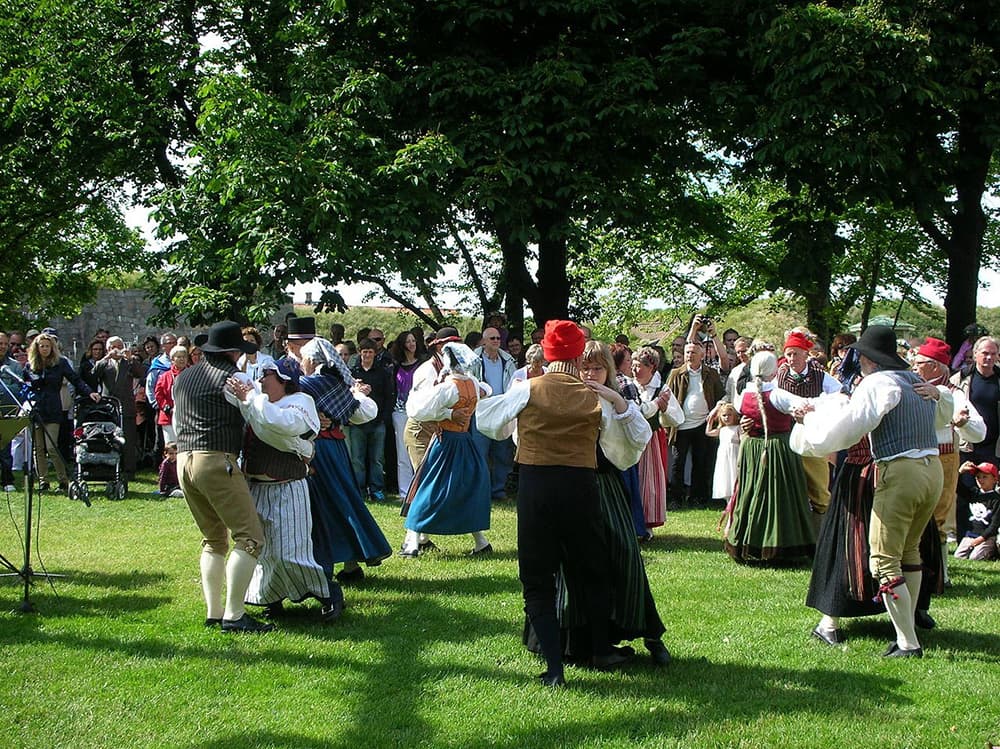
Here’s a fun thing you can do at Sweden’s traditional summer solstice celebration, known as Midsummer. You can drink a couple of stiff schnapps, lose your inhibitions, and go skinny dipping with a current or future girlfriend. The leafy, flowery maypoles, or midsommerstang that people dance around on this day were once phallic symbols of fertility.
The official date of Midsommar is the Friday that falls between 20 and 26 June, and it’s the cue to bring out the pickled herring, smoked fish, new potatoes, beer and schnapps. Everything was supposed to be magical. Plants and herbs were more powerful, and supernatural beings were everywhere. Girls slept with special herbal concoctions under their pillows, hoping to dream of their future husbands.
Oh, and when morning comes around, going for a roll on the dewy grass was supposed to be healthy — for all who dared.
5. Native American Rituals
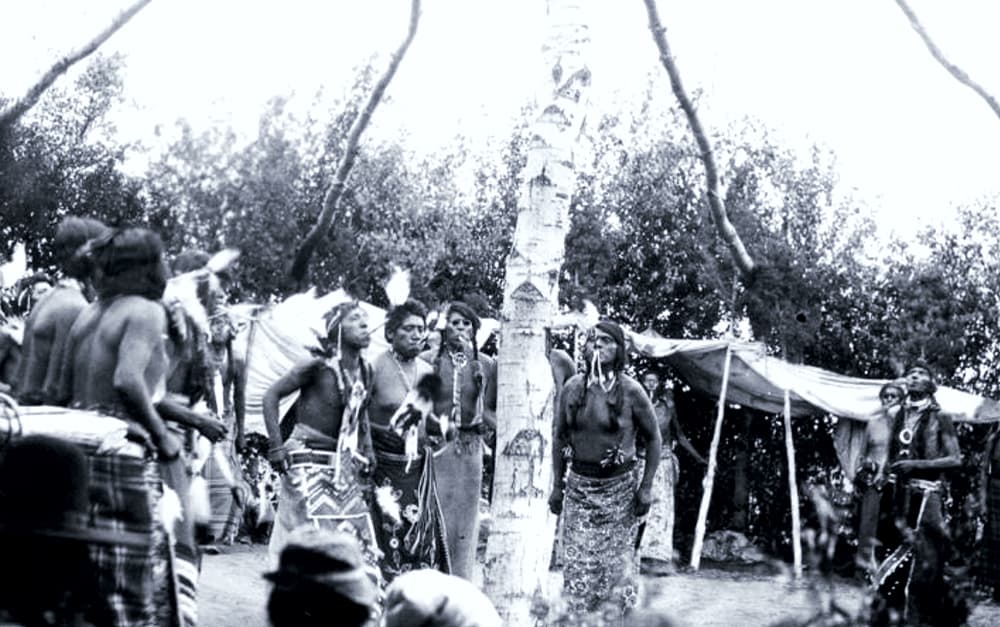
There’s a good reason why you won’t find recent photos of the single most important summer solstice ritual dance of most plains Indians in the United States. The Sun Dance was banned in 1904 for including rituals that the US government perceived as self-torture. In 1978, when the American Indian Religious Freedom Act gave Native Americans the right to follow their traditional religious ceremonies freely, there was no great interest in reviving the dance.
Performed mainly by Lakota Sioux Indians, the Sun Dance marked the summer solstice and marked a time of renewal. A cottonwood tree would be selected and cut down to serve as the central pole connecting heaven and earth. A brave man would have to catch it before it reached the ground.
The dancing would begin at sunrise, featuring mainly males. The chests or backs of the dancers would be pierced with a bone attached to a rawhide thong. Through strenuous dancing, the dancer was supposed to rip the bone out through the skin. This painful ceremony was visualized in the movie A Man Called Horse, starring Richard Harris.
6. Inti Raymi (Ecuador)
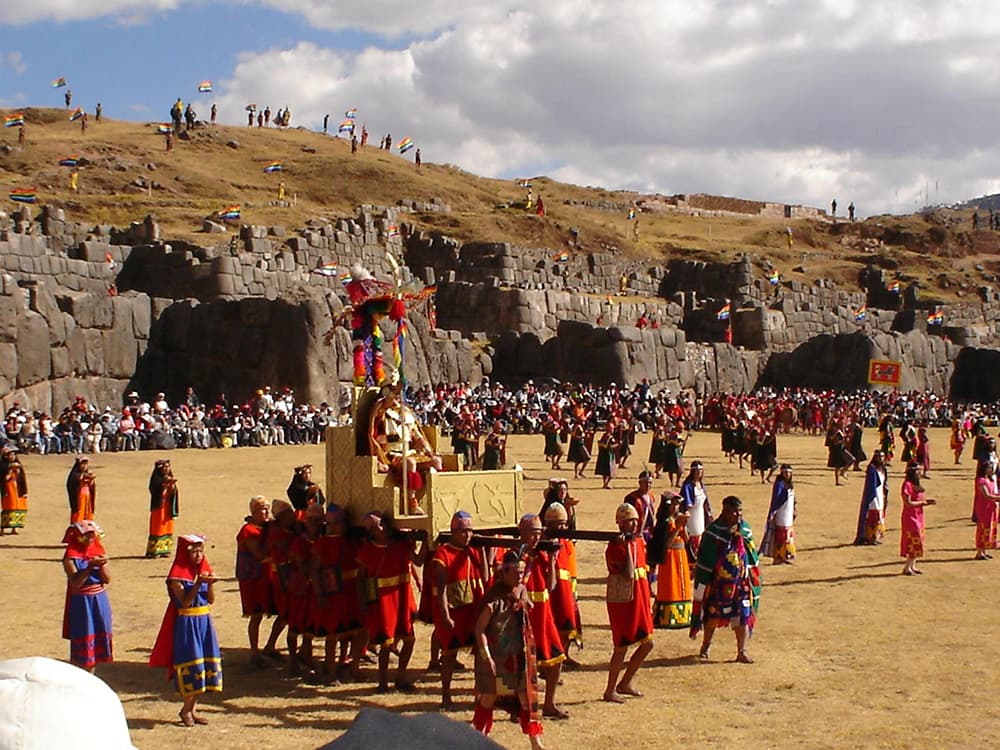
Inti means ‘sun’ in the language of the ancient Incas of South America, and Inti Raymi is still celebrated in all the Andean countries where the Incas once ruled, mainly Ecuador (June 22) and Peru (June 24). Think of it as Thanksgiving Day south of the equator. You shouldn’t be surprised to see everyone slightly spaced out on hallucinogens, but it’s all good. The spirit is optimistic, a time to be reborn, renewed, re-energized and reconnected back to nature, healing energies and mother earth.
Bathing under waterfalls is de rigueur if there’s one handy. Everyone is dressed in rainbow colors and wearing golden crowns, and the music is compelling. Once the Sun Princess is chosen, everyone gets to feast on the sumptuous food and wine from the bounteous Pacha Mama, or Mother Nature.
7. Sankthans (Denmark)
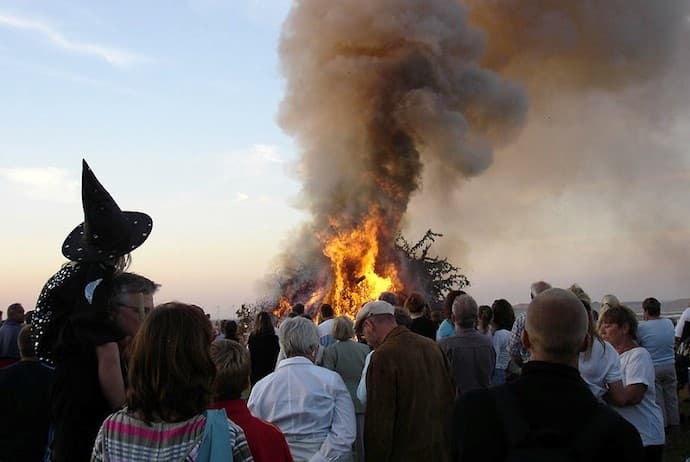
The word hygge, pronounced ‘hoo-ga’, is very special to the Danes. It refers to a certain kind of coziness and comfortable camaraderie that makes you feel warm, fuzzy and melty inside. There’s a lot of hygge to go around on June 23 in Denmark, the day they celebrate the longest day and shortest night (or summer solstice) with the national festival of Sankthans, short for Sankthansaften.
According to Nordic tradition, celebrations always occur the evening before, but no self-respecting Dane ever needed a reason to go partying or have fun. There are bonfires aplenty, and certainly, one highlight is the burning of the witch puppet to signify the end of all things evil and dire.
There’s a lot of singing, especially of Danish patriotic songs such as Vi elsker vort land (We love our country), now known as Midsommervisen (Midsummer song). The Danish pop group Shu-bi-dua composed a brand new tune for it in 1979, and now that has become a part of the solstice fun and games.
8. Solstice Bonfires (Austria)
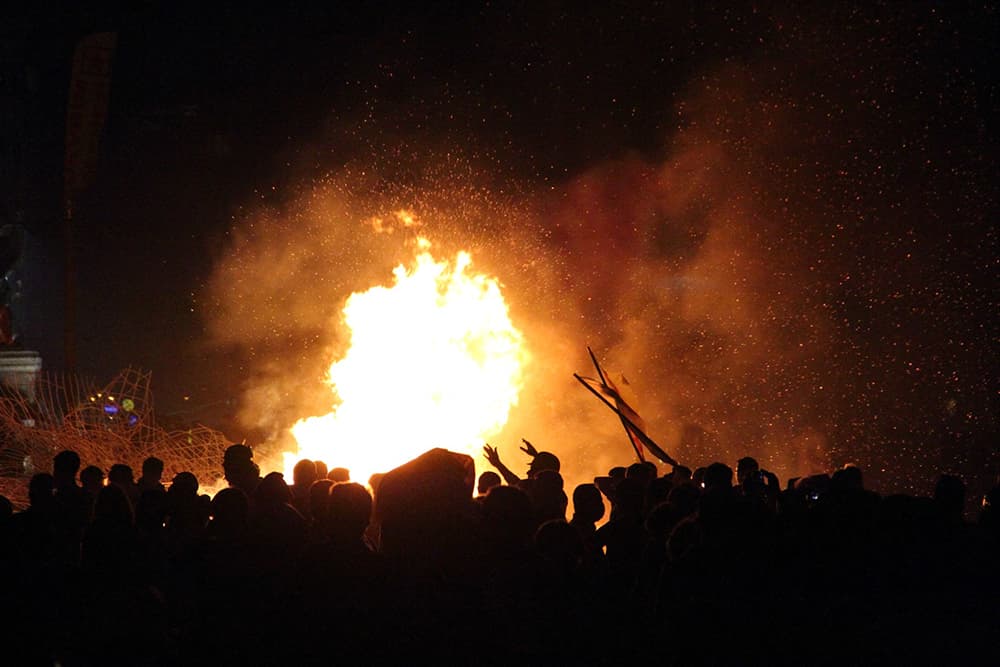
They say that you can see giant bonfires lighting up the night sky above the Tyrolean Alps when Austrians celebrate their summer solstice in June. The location, shape and ‘sculpture’ of the Tyrol region’s famed bonfires are carefully planned starting months earlier.
Mountain faces are carefully measured, and fire sculptures are planned for as high as 9,000 feet. Up to 700 bags packed with sawdust and rapeseed oil will have been transported up to various sites and arranged in designed shapes. The ‘firers’, who are all skilled mountaineers, will set fire to the sculptures in a synchronized operation that lights up the heavens.
Special cruises are planned along Lake Achensee so that visitors can take in the majesty of the bonfires from a distance. On a good solstice, there can be over 8,000 meticulously planned fires all over the Tyrolean mountains.
9. China’s Rituals
China would do it differently, of course. Their year is divided into 24 terms, all designed to help farmers. Twelve of them are named after weather changes such as Slight Heat and Cold Dew; four touch on natural phenomena such as Insects Awaken and Grain in Ear. Only the remaining eight reflect seasonal changes, among them the summer solstice on June 21.
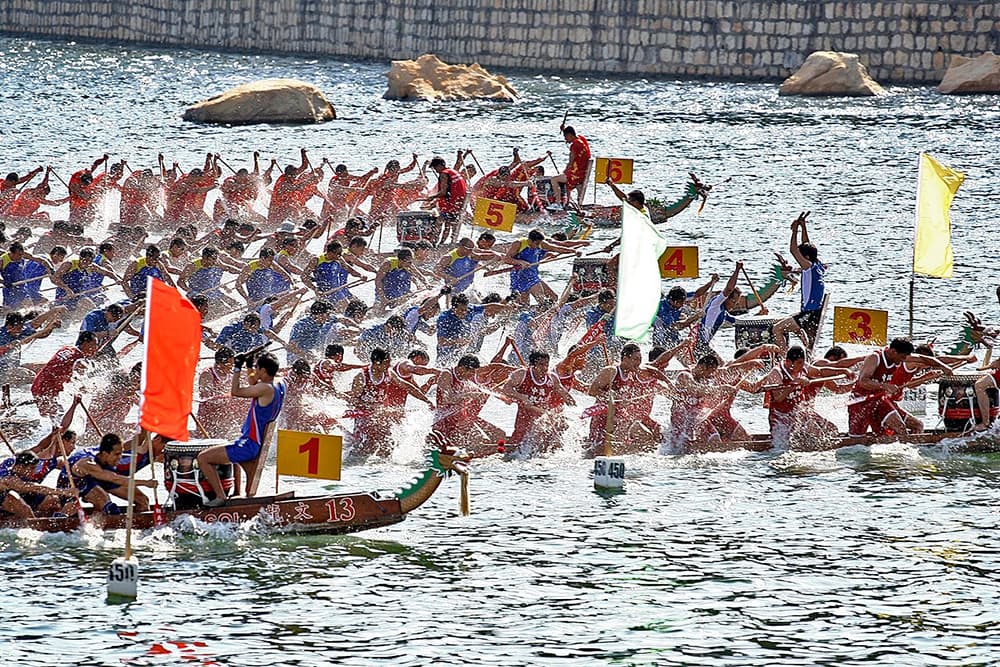
It’s China, remember, so everyone eats a lot of great food, but fun stuff happens too. People rush to Mohe, China’s northernmost town, where the longest day is 17 hours long, just to watch the stunning northern lights. In Zhejiang, the legendary Dragon Boat Race, started 800 years ago, is still a solstice crowd-puller. Everyone is snacking on zongzi, sticky glutinous rice with a centre of either meat or candied fruit.
Meanwhile, in Guangdong, Guangxi, Qinzhou, Yulin, they’re tucking into dog meat with lychees. And in Shandong, where wheat has been newly harvested, special attention is paid to eating noodles, especially cold noodles known as guoshuimian.
10. Secret Solstice Music Festival (Iceland)
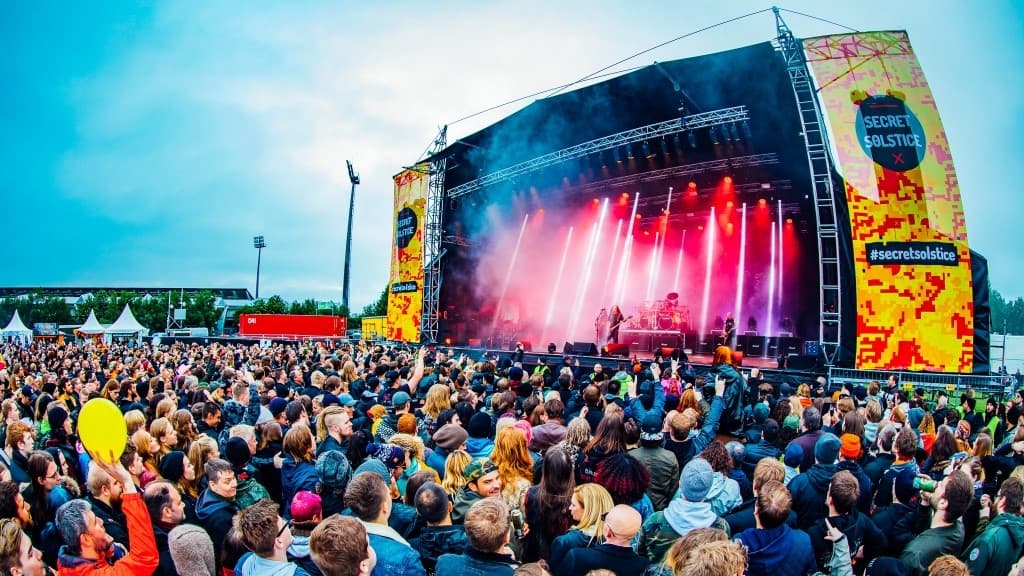
Hard to imagine that Iceland would have a summer, right? But Iceland’s so-called Secret Solstice Festival, only seven years old, is already one of the hottest summer event tickets in the world, especially if you’re rich and famous. Held over 96 hours of continuous sunlight, the festival, featuring some of the biggest emerging and established names in music, has about 150 acts, attracted over 8,000 people in its very first year and was named one of the top festivals on earth by TIME magazine.
If you’re really really obscenely wealthy, you could buy yourself a Golden Ticket, valued at a mere million dollars, for which you get — well, everything and heaven too.
11. Juhannus (Finland)
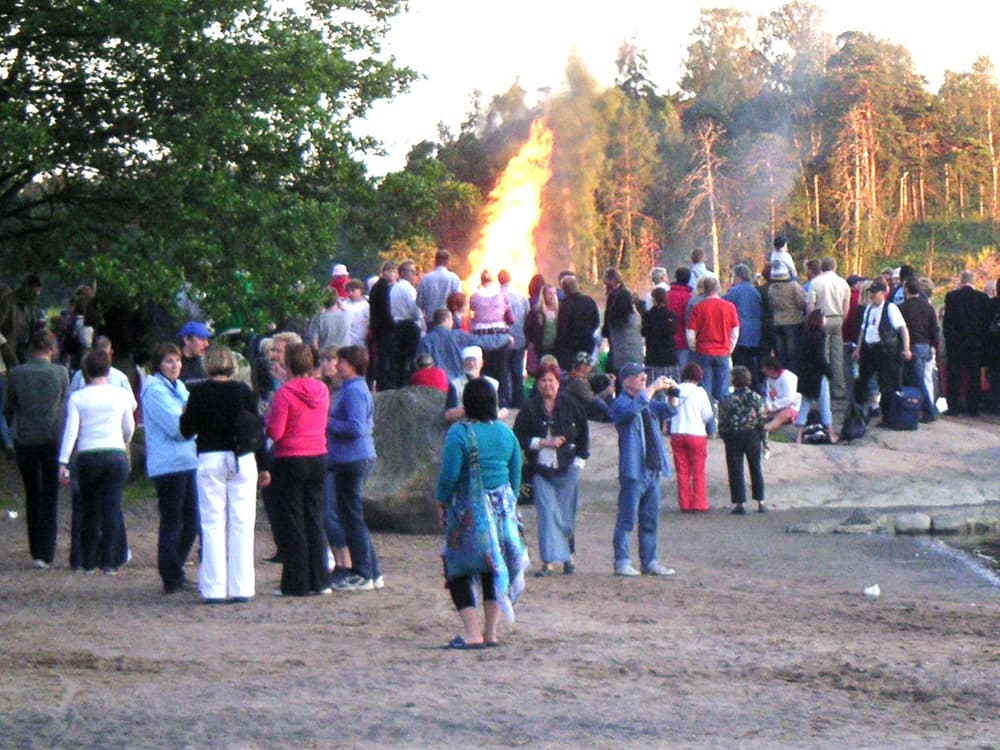
They call Juhannus the ‘nightless night’ in Finland, and everyone is welcome to join the party — including witches, fairies and elves, who are believed to emerge from hiding on this magical day of the summer solstice. It’s celebrated on the Saturday that falls between June 20 and 26.
The Finns also happen to like kokko — huge bonfires — a lot, so this is the day when you can count on seeing a lot of them.
As always, fertility is a theme. It used to be believed that if an unmarried woman were to bend over a well, entirely naked, she would see her future husband’s face in the water, never mind what people standing around the well would see. These days, though, we are more civilized, and a fair maiden need merely place different kinds of flowers under her pillow if she wants to see the face of her future husband in her dreams.
12. Simmer Dim (Scotland)
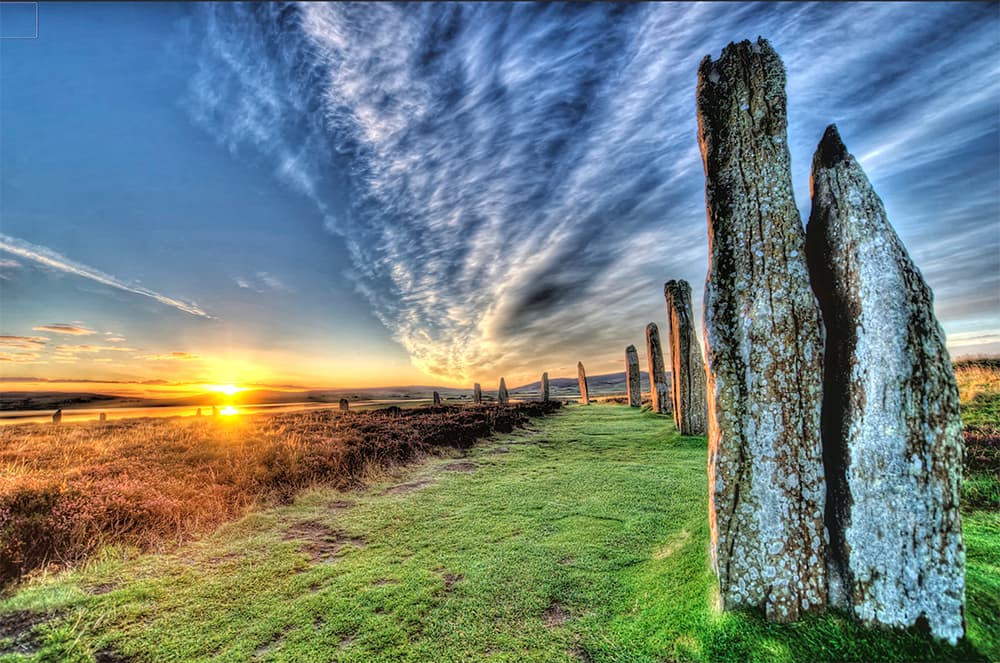
Up in Shetland, the northernmost part of Scotland, they call it the twilight that lasts till morning. A beautiful cool pink light washes over the land as the sun dithers, not wanting to go down. On the longest day, the sun stays visible for 19 hours, and night just waits in the wings. The Scots name for their summer solstice celebrations, Da Simmer Dim, means ‘summer twilight’. Needless to say, bars stay open since midnight never really shows up, but no true Scot would complain about that.
Modern-day Simmer Dim combines Christian practices with traditions from the ancient Norse settlers of Scotland. Myths about Baldur, son of Odin and Frigg, have been replaced with more Christian stories to do with St John the Baptist.
One of the day’s cutest rituals features young lovers. The lad and his lassie would each strip the florets from a stalk of ribwort plantain and leave them under a stone, wrapped in a lead. If fresh florets showed up before the stalks withered, it was taken as an omen that the couple was destined for the altar.
13. Astrofest (Croatia)
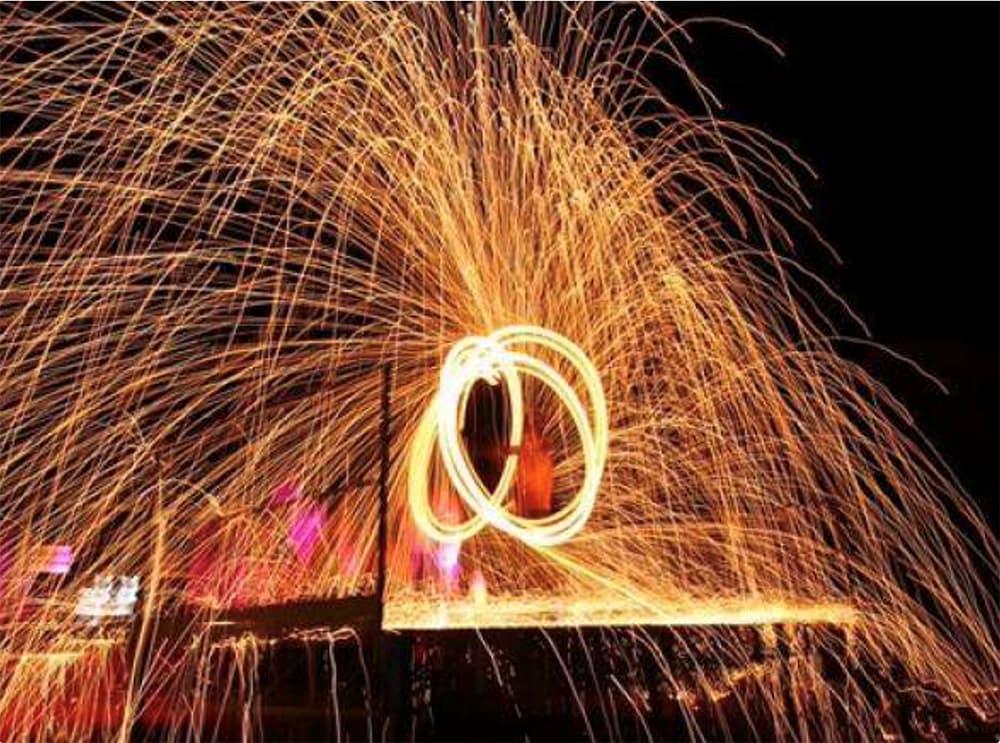
Real meets unreal, earth meets sky, and day meets night in Instria, Croatia, on the longest day of summer. The so-called Astrofest is probably one of the world’s most peaceful, stress-free and calming summer solstice celebrations. Entirely alcohol-free and child-friendly, there are bonfires, lots of music and singing and munchies all through the night, not to mention astronomy enthusiasts who will bring their telescopes to check out the stars, although everyone knows the night won’t last more than about five hours.
It is assumed that elves, fairies and other mystical but friendly creatures are also around, wearing their invisibility cloaks. Drums break out when the sun’s first rays of the solstice break out.
14. Jonines (Lithuania)
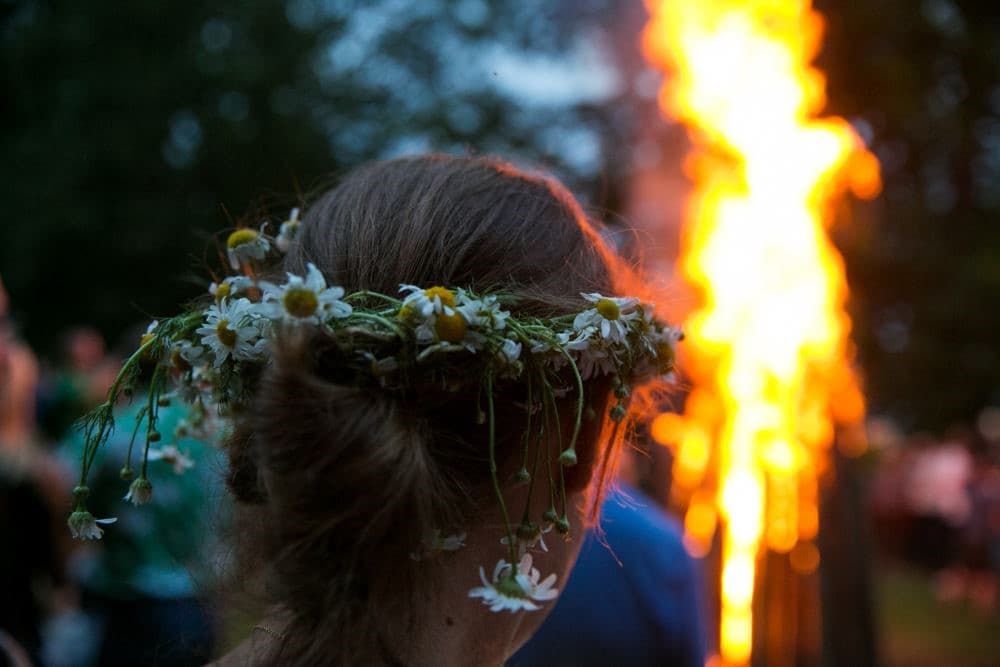
They used to call it Rasos, named after the supposedly healing dew of Lithuania. Then they decided Kupoles would be a better name for Lithuania’s summer solstice celebrations because in the evening, picking healing herbs — called kupoliavimas — was de rigueur. These days, it’s just called Joninas, after St John the Baptist.
There will be arches and portals decorated with healing herbs and bonfires at twilight. Jump over the fire thrice, they say, and you’re guaranteed great health, wealth and happiness. Do the jump holding hands with your love, and the wedding will take place the same year.
Unmarried girls weave garlands from 12 different herbs before midnight and float it on a river. The faster the water carries it, the sooner it’ll be wedding bells for the lass.
The day’s most mysterious tradition is searching for a shy fern flower that blooms briefly at midnight. Find it when it is in bloom, and you’ll practically become Superman — you will (the legend goes) read minds, understand the cosmos and see what others can’t see.
15. Slinningsbalet (Norway)
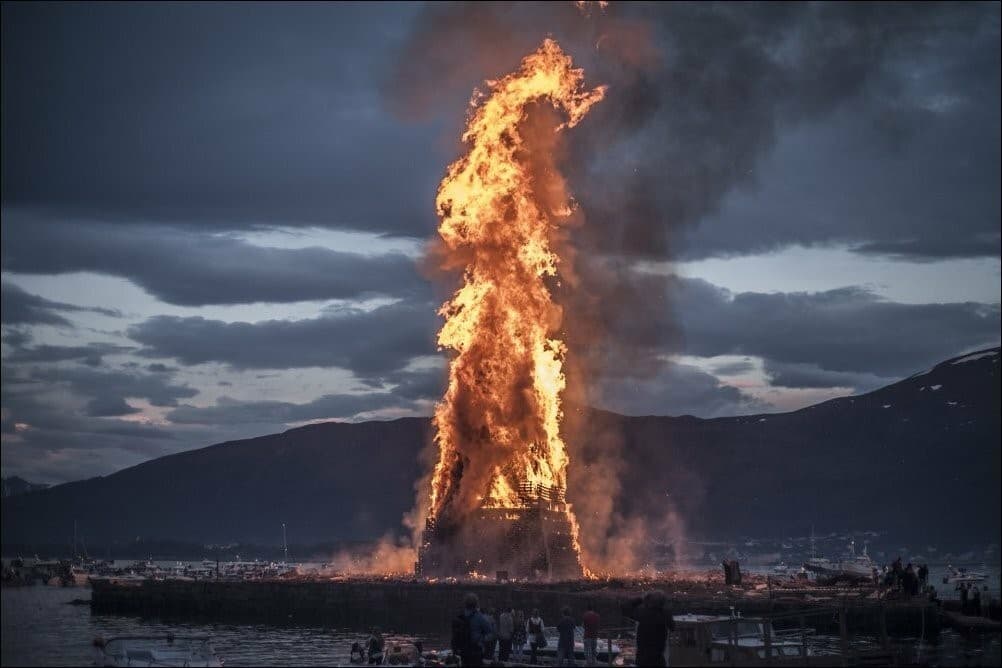
If you want to see the world’s tallest bonfire, you’ll have to visit the Norwegian man-made island of Alesund on the world’s longest day, the summer solstice on June 26 this year.
It takes a while to build; the highest it ever reached was 132 feet in 2010. For weeks before, people will be stacking wooden pallets carefully, building the spire. The spire burns down from top to bottom — and starting that fire is not a job for the faint0hearted. One or more brave fellow climb up to the very top, where a flammable barrel sits and sets fire to the hanging fuse to get the fire going.
Then they climb down as fast as they possibly can, making sure their trousers don’t snag on a nail. On one memorable occasion, the fuse fizzled out, requiring a man to climb back up to re-light it.
Because the site is surrounded by water, the ashes and debris fall safely into the lake. No one’s ever been hurt by the world’s largest bonfire.

Leave a Reply